Discover New Science Games for the Classroom This March

Hi Legends! Welcome back to another exciting update from our Learning Universe! This March, we’re introducing a fresh lineup of Science classroom games designed to spark curiosity and strengthen core concepts through interactive exploration.

📚 If you missed last month’s new games, you can revisit February’s update to explore recent releases.

🧪 New Science March Games

Grades 3–5
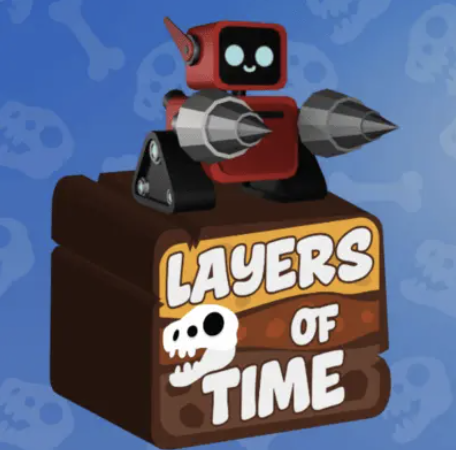
  • 🌍 Layers of Time: Control Byte Bot, a curious driller robot, and explore Earth’s inner layers. Guided by Dr. Aurora, students uncover fossils and investigate the history of our planet.

Grades 6–8
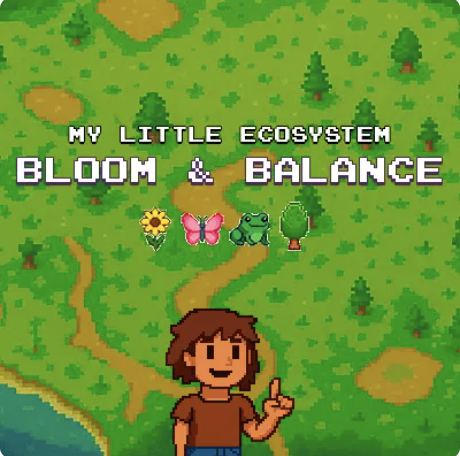
  • 🌱 My Little Ecosystem: Bloom & Balance: Restore balance in a dynamic ecosystem by planting flowers, managing pollinators, and maintaining biodiversity in this real-time ecosystem simulator.

  • Charge & Putt: Where mini-golf meets science! Explore electric charge, magnetic forces, insulation, and polarization in a fun, visual puzzle experience.

🍎 Teacher Tip: After gameplay, ask students to explain how different forces interacted or how species depend on one another within the ecosystem. These quick reflections reinforce vocabulary and deepen scientific reasoning.


These new Science games transform learning into immersive exploration! 🎉 Students investigate Earth systems, ecosystems, and physical forces through interactive challenges.


🌍 Layers of Time — Earth’s History & Structure

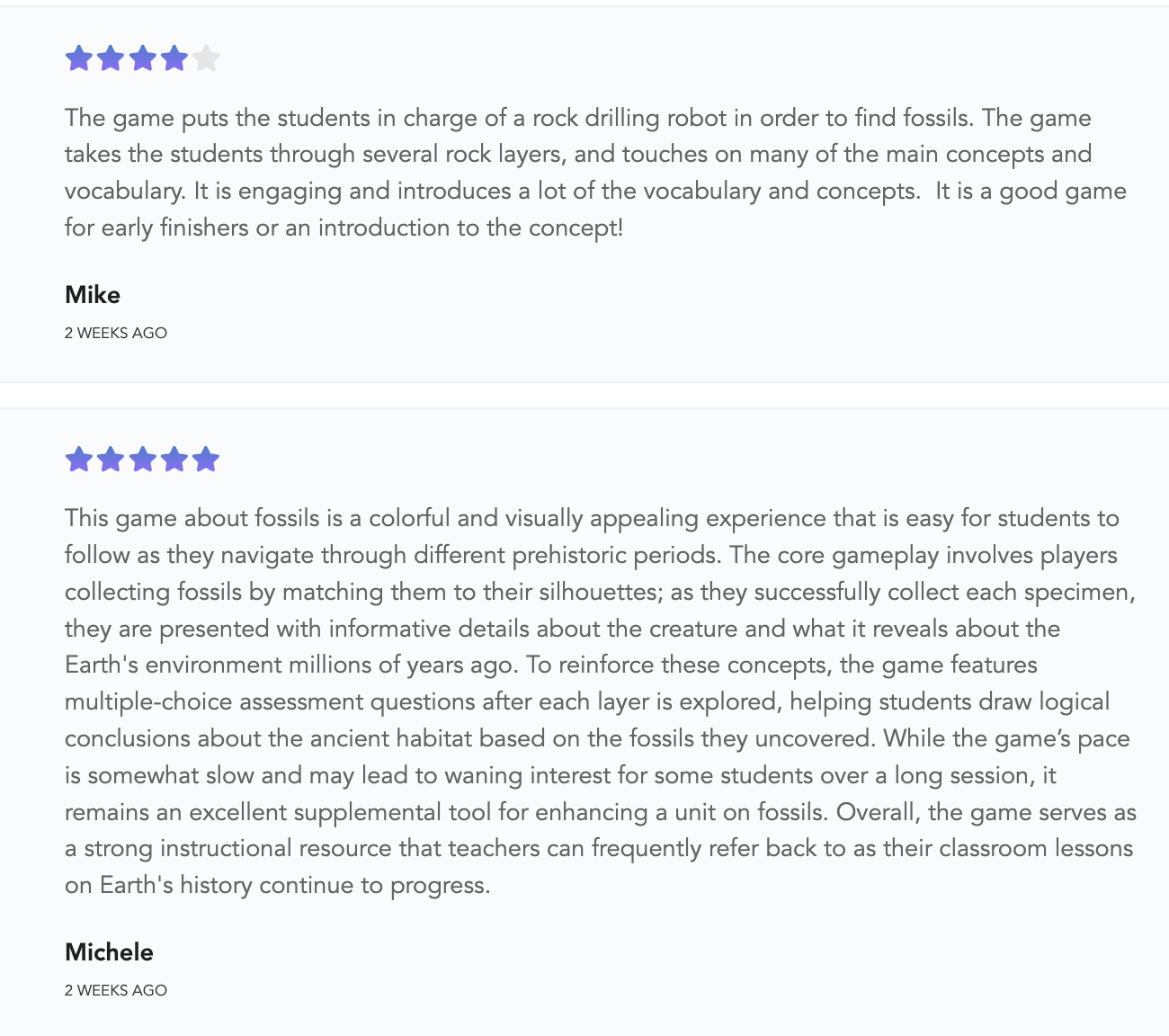
In this adventure game, students guide Byte Bot through the layers of the Earth in search of fossils and clues about our planet’s past.

As they drill deeper, learners explore Earth’s internal structure and uncover evidence of geological history in a story-driven experience that builds understanding of Earth systems.


🌱 My Little Ecosystem: Bloom & Balance — Ecosystems & Competition

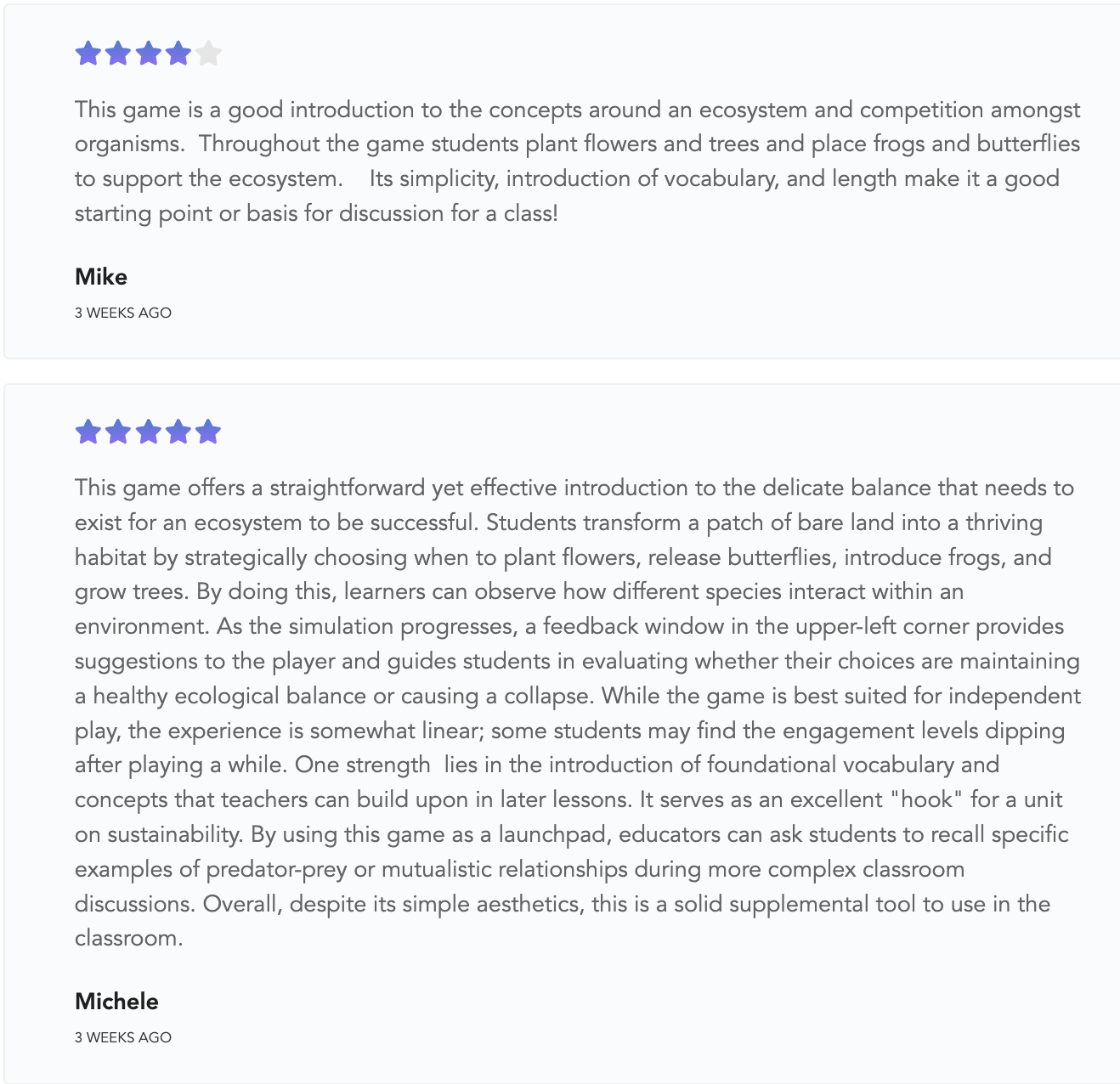
In this real-time ecosystem simulator, students plant flowers, release butterflies, introduce frogs, grow trees, and encourage fungi to recycle nutrients — all while maintaining balance in a living ecosystem.

Through strategic decision-making, learners explore competition for resources, interdependence, and environmental equilibrium in a vibrant pixel-art world.


⛳ Charge & Putt — Electric & Magnetic Forces

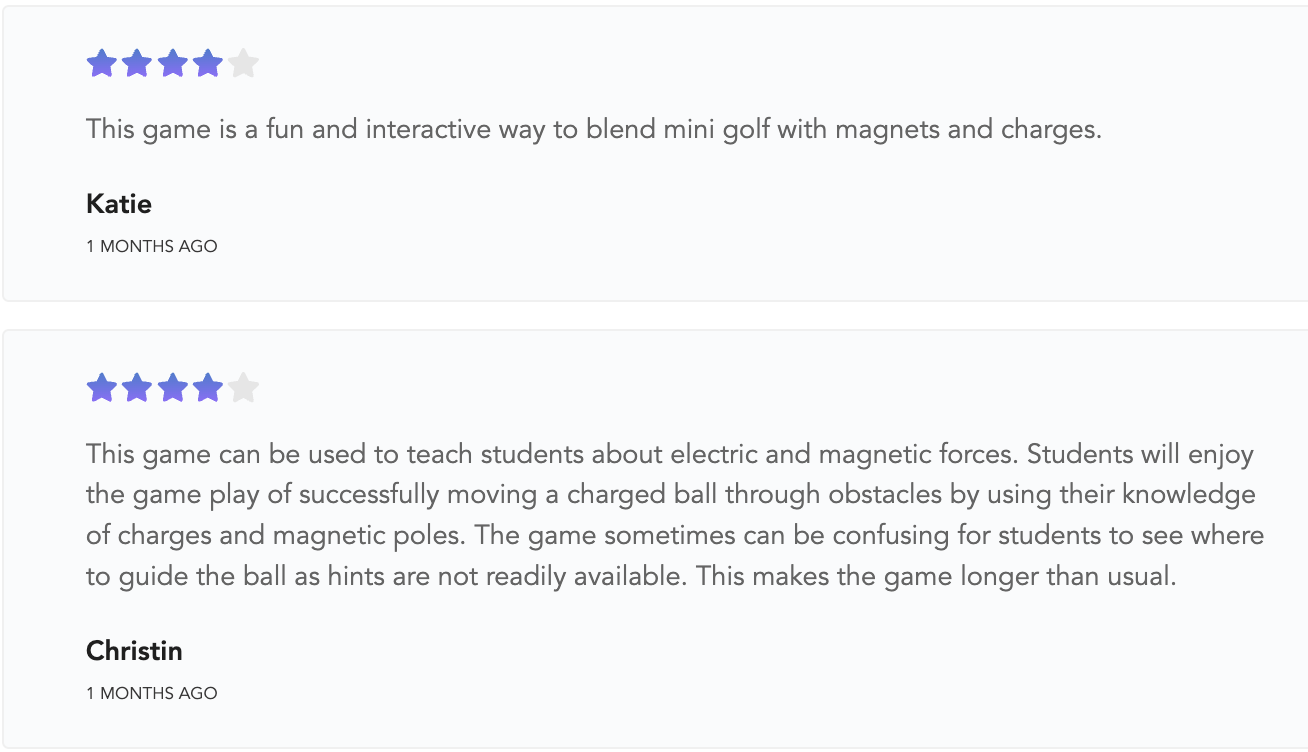
Charge & Putt combines mini-golf gameplay with physics concepts. Students experiment with electric charge, magnetic forces, insulation, and polarization to solve clever puzzle challenges.

This game makes abstract physical science concepts visual, interactive, and memorable.


🌎 Explore Learning Universe Games

New to Legends of Learning and eager to try out these games? Sign up now and start exploring the Learning Universe!

💬 Don’t forget — you can earn Reward Points by leaving reviews on the games you play. Your feedback helps other educators discover great content and guides us in creating even better learning experiences.

📩 Have questions? Reach out anytime at support@legendsoflearning.com
Discover New Math Games for the Classroom This March

Hi Legends! Welcome back to another exciting update from our Learning Universe! This March, we’re introducing a new set of Math classroom games designed to keep students engaged while strengthening core skills through interactive learning.

📚 If you missed last month’s new games, you can revisit February’s update to explore recent releases.

📐 New Math March Games

Get ready to engage your students with hands-on math adventures that turn practice into play.

Grades 3-5

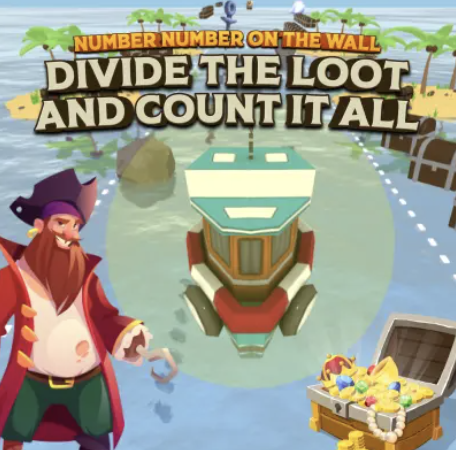
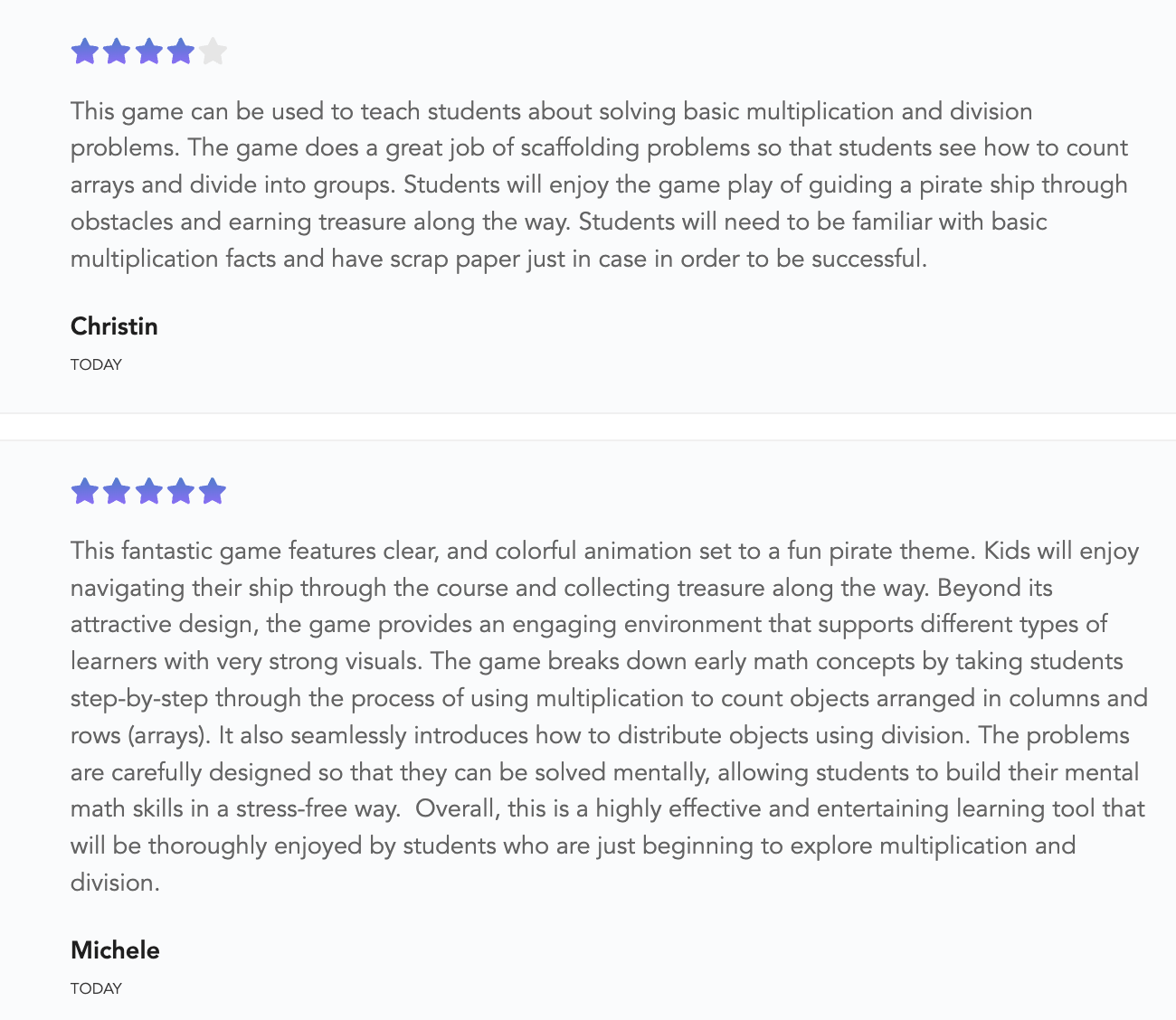
  • 🏴‍☠️ Divide the Loot and Count It All: Set sail on a pirate adventure as students solve multiplication and division word problems. Count treasure arranged in rows and columns, calculate total loot, and divide gold fairly among the crew in this story-driven math journey.

Grades 6–8

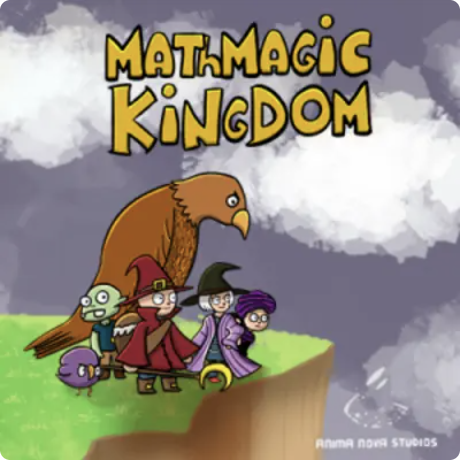
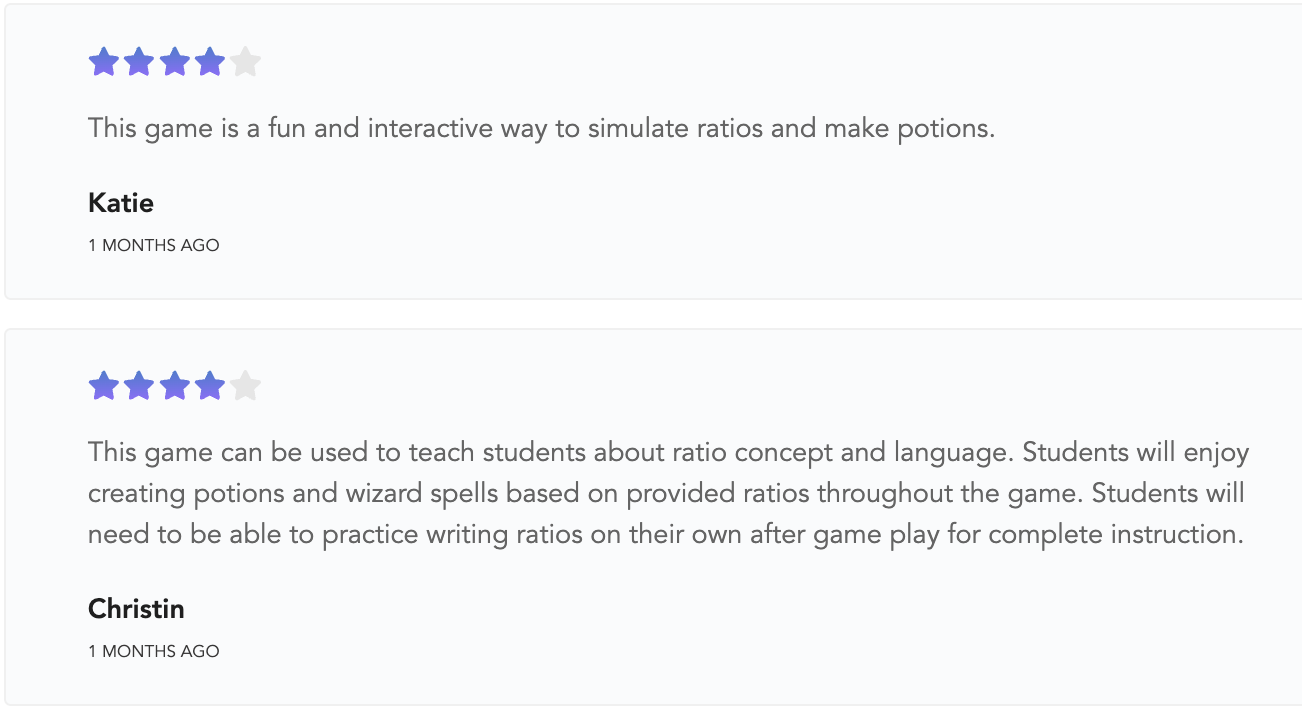
  • 🧙 Mathmagic Kingdom: Brew potions, learn enchantments, and master the power of ratios! Students solve ratio problems and apply ratio language to restore villagers and become true Mathmagic Masters.

These new Math games turn learning into an interactive adventure! 🎉 Students build essential skills through exciting challenges that make every moment meaningful.

🍎 Teacher Tip: After gameplay, ask students to explain how they solved a word problem or applied ratio reasoning. These quick reflections strengthen conceptual understanding and academic vocabulary.


🏴‍☠️ Divide the Loot and Count It All — Elementary Math

Set sail on a thrilling pirate adventure alongside Captain Jack! In this immersive math journey, students solve multiplication and division word problems while exploring mysterious islands and collecting treasure.

Learners count treasure crates arranged in rows and columns, multiply to determine total loot, and divide gold fairly among the crew. With colorful 2D challenge screens and engaging 3D sailing scenes, this game blends storytelling with meaningful problem-solving practice.


🧙 Mathmagic Kingdom — Middle Math

Enter a magical world where math powers everything! In Mathmagic Kingdom, students solve ratio problems, interpret ratio language, and apply proportional reasoning to help restore villagers and save the kingdom.

Through potion-brewing puzzles and enchanted challenges, learners develop a deep understanding of ratios while staying fully engaged in a fantasy-driven quest.


🌎 EXPLORE LEARNING UNIVERSE GAMES

More exciting Math updates are coming soon — stay tuned!

New to Legends of Learning and eager to try out these games? Sign up now and explore the Learning Universe!

💬 Don’t forget — you can earn Reward Points by leaving reviews on the games you play. Your feedback helps other educators choose the right games and guides us in creating even better learning experiences.

📩 Have questions? Reach out anytime at support@legendsoflearning.com
Next Level Learning: How Florida Teachers Are Implementing Game-Based Science Instruction

Our wide-scale research project, funded by the U.S. Department of Education’s Education Innovation and Research (EIR) program, is entering its third year. 

Impact Florida, WestEd, and Legends of Learning have partnered with a large Florida district to explore one key question: How can game-based learning lead to better academic outcomes for students in science?

During the project’s first two years, teachers and district leaders provided feedback on how Legends of Learning, a standards-aligned, online platform that teaches science through interactive games, can be integrated into everyday classroom practice. Teachers and students also shared impressions of using the game-based learning platform. 

Early results showed that game-based learning made science class more fun and it helped students understand science concepts. Participating teachers found it to be especially effective for keeping students engaged and for reinforcing key science concepts. English learners also reported strong engagement, indicating that game-based learning can help these students participate meaningfully in science class.


Now, with two years of research and feedback in hand, our team is moving into the next phase. The goal is to take what we have learned and test two promising implementation models to identify the best way to integrate game-based learning into regular science instruction.

Model A: Prescribed Time, Flexible Use

  • Teachers will use the game-based learning platform at least twice per week for about 30 minutes each session.
  • Teachers can select between District Assignments or create their own.
    • District Assignments are composed of games, videos, and assessments. Administrators can pre-select this content to align with district curricula.
  • The game-based learning platform will be used as core instruction during class time, not as a free-choice, reward, or early finisher activity.

This model gives teachers clear expectations for use but allows flexibility to choose or curate assignments that best meet their students’ needs.

Model B: Prescribed Assignments, Flexible Time

  • Teachers will ensure that students complete all District Assignments made available to them.
  • Teachers will have flexibility in when and how often to use the platform.
  • Assignments should not be modified, which ensures consistency across classrooms.
  • Like Model A, the platform will be used as core instruction during class time.

This model focuses on coherence and alignment across classrooms, giving districts insight into how a prescribed set of assignments can support student learning.

Together, these two approaches will allow researchers and district partners to explore a key question: Does game-based learning work best when teachers have flexibility to adopt or create assignments, or when districts create consistent, unified assignments for all classrooms?

Scaling Up Implementation of Game-Based Learning

The next three years will be the most exciting and informative part of the project so far. Here is why educators and district leaders across Florida should keep an eye on what is coming next.

1. Better Understanding of How Teachers Can Optimally Implement Game-Based Learning

By comparing the two implementation models, our research team will learn how teachers integrate game-based learning into their science instruction and the extent to which they use it consistently and effectively throughout the school year.

2. A Model for Scale 

Over the 2026-2027 school year, the chosen implementation model will be tested in hundreds of classrooms across 80 schools to determine the impact of the platform on teacher and student outcomes and to give researchers and practitioners real-world insights into what works for teachers and students. This model may hold promise for making science learning more engaging and effective in districts across Florida and beyond.


Game-Based Learning Aims to Level Up Student Engagement in Florida Science Classrooms

Can game-based learning can help teachers bridge the gap between engagement and academic achievement by pairing science content with the kind of interactive experiences students already love?

Teaching science in the upper elementary grades can be an uphill climb. After pandemic-related disruptions, Florida statewide science proficiency rates dropped sharply, from 55% in 2018 to 47% in 2021. At the same time, today’s students are growing up in an interactive, screen-saturated world. Between 2019 and 2021, daily screen time for children ages 8–12 in the U.S. rose by nearly an hour, with much of that time spent playing video games like Roblox and Minecraft.

The challenge for schools isn’t just to teach science; it’s to capture and sustain students’ attention. Research shows that increasing student engagement with their learning is one of the keys to raising test scores.


To better understand and address this issue, we are studying how an online, standards-aligned, game-based platform can enhance science instruction and encourage student participation in science learning. Supported by an Education Innovation and Research (EIR) Mid-phase grant funded by the U.S. Department of Education, the project brings together Impact Florida, Legends of Learning, and WestEd to develop and test a scalable, evidence-based model for using game-based learning to boost science learning outcomes in one large Florida district. Now wrapping up its second year, the five-year project has already yielded valuable insights.

Learning Science Through Games

In the first two years, the project’s formative research phase has focused on understanding how teachers and students use the platform in classrooms. In addition, district leaders, teachers, and students made suggestions on how to improve the platform.

Teachers reported feeling that game-based learning supports their science instruction and students enjoyed using the game-based learning platform, calling it fun and educational. Also, teachers and students alike said game-based learning helps foster deeper understanding.

This kind of feedback highlights the power of game-based learning to strengthen comprehension.

Another important finding from the project’s early research is that teachers need seamless ways to connect game-based learning to their existing curriculum and instructional activities.

Many said they loved the games but wanted to more easily find those aligned to current standards or lessons. In the next phase, the project is implementing updated features that strengthen the connection between classroom instruction and game-based learning, including:

  • District-endorsed assignments that align with local pacing guides – Administrators can pre-select games and activities aligned with district curricula.  
  • Personalized learning mode – The recommendation of games to students based on real-time performance.  
  • Data dashboards – Teachers and administrators can view reports that connect gameplay to learning goals and standards.

These updates will make it easier for teachers to use the game-based learning platform effectively while saving valuable planning time, and for schools to integrate game-based learning into their science instruction at scale.

Game Plan for the Future

Over the next three years, our team will develop and test game-based learning implementation models, conduct a large-scale impact study to determine if classrooms using the game-based learning platform versus those who are not using it show differences in student science learning outcomes, and share findings with educators nationwide.

Across one large Florida district, classrooms are already buzzing with energy as students explore, experiment, and level up their science learning.


Why Hands-On Math Games Belong in Every Classroom

📐 Math learning should be active, joyful, and meaningful—and that’s exactly what you get with the new Hands-On Tabletop Math Games now available on Legends of Learning. Developed in partnership with 10Story Learning, this collection of 25+ printable games is designed to help Grades 3–5 students build deep conceptual understanding through movement, collaboration, and play.

These aren’t just paper-based alternatives to screen time. They’re powerful tools for math instruction—aligned to key standards and crafted to fit seamlessly into your existing routines.

✋ Hands-On = 🧠 Minds-On

Research shows that when students move, manipulate, and collaborate, they retain more. These games invite students to roll dice, place tiles, measure distances, and build structures—while also solving math problems, applying strategies, and making sense of concepts together.

Whether they’re comparing fractions in Top Dog, graphing ordered pairs in 4Square, or dividing whole numbers in Peas in a Pod, students are doing real math thinking—with joy.

📚 Built for What You’re Already Teaching

Every game in the collection is standards-based and tightly aligned to the content you’re covering. You’ll find:

  • Fraction operations
  • Graphing and coordinates
  • Measurement and data
  • Multiplication and area
  • Place value, rounding, and more

No need to reinvent your lesson plan—just choose the game that matches your target skill, print the materials, and go.

🧮 Perfect for Math Centers, Stations, and Screen-Free Days

These games are low-prep, high-impact. They’re ideal for:

🎯 Small-group instruction or rotations
⏱️ Early finisher activities
🌟 Enrichment or intervention
📋 Sub plans or flexible Fridays
💬 Building classroom community through shared play

💡 Teacher Tip: Make Math More Active! Bring math to life with Hands-On Tabletop Math Games—25+ printable, standards-aligned activities that get students moving, collaborating, and thinking deeply. Try a weekly “Game of the Week” to build excitement and reinforce key concepts.

Here are a few quick ideas to help you launch successfully:

✅ Keep a “game of the week” station to build routine
✅ Print and laminate once for long-term use
✅ Use the games during review week before assessments
✅ Let students reflect afterward with sentence frames like “Today I learned…”
✅ Pair students intentionally for peer support


Sneak Peek: Student Favorites! Not sure where to start? Here are some early favorites from teachers:

❄️Fraction Frosting

Fraction Frosting is a competitive game where students build donuts using fractional pieces.  The game reinforces recognition of unit fractions and combining fractions to make a whole. (3.NF.A.1) 


🃏 Draw a Card

In Draw a Card, players draw digital cards that prompt them to identify shapes, name attributes, or draw irregular quadrilaterals and advance along a game path. The game builds fluency with recognizing and classifying quadrilaterals. (3.G.A.1)

Power Slide

In Power Slide, teams slide an object from a start zone, aiming to get as close to the power zone as possible. The distance from the slider to the power zone is measured with a ruler and recorded on the scorecard. Power Slide develops skills in measurement, line plots, and data interpretation. (3.G.A.1)


🎲 4Square

4Square is a competitive coordinate plane game for two players or teams. Players strategically select coordinates to build connections that can form squares one unit on each side. 4Square builds fluency with ordered pairs  and working  in the coordinate plane. (5.G.A.1, 5.G.A.2)


Let’s Bring Math to Life—Together

Hands-on learning doesn’t just support math understanding—it fuels engagement, connection, and confidence.

Log in to your Legends of Learning account and visit the Hands-On Learning section to explore the full collection. Whether you’re teaching fractions, area, or algebraic thinking, there’s a game for your class to love.

🎲 Explore the Hands-On Games


👋 New to Legends of Learning?
Sign up today and bring your classroom into a library of 2,000+ science and math games built for engagement, exploration, and achievement.

💬 Leave a Review—Earn Rewards!
Your feedback helps improve our games and guides fellow educators. Leave a review after using a game in class, and earn Reward Points toward classroom goodies.

📩 Questions?
Contact us at support@legendsoflearning.com

Teachers’ Back to School Checklist for 2025

The back to school season brings new students, routines, and responsibilities. While exciting, it can also feel overwhelming—especially if you’re trying to set up your classroom, communicate with families, and plan engaging lessons, all at once.

Smiling teacher preparing for back-to-school with a laptop in a cozy classroom setting

To make things easier, we’ve created a practical Back-to-School Teacher Checklist. It’s designed to help you stay focused, reduce stress, and walk into the first week feeling confident and in control.


1. Classroom Setup & Organization

Creating an efficient, welcoming environment from the start sets the tone for your entire year.

Use this mini-checklist to get started:

  • Arrange desks to support both collaboration and smooth traffic flow
  • Set up designated areas for supplies, group work, and tech stations
  • Post your daily schedule, rules, and routines where all students can see them
  • Create a student-centered “Welcome” space to display names or photos
  • Prepare your teacher zone with planners, devices, and essentials

2. Supplies & Student Materials

Avoid last-minute chaos by taking stock of your supplies early.

Checklist:

Smiling teacher preparing for back-to-school with a laptop in a cozy classroom setting
  • Inventory classroom basics: pencils, markers, paper, scissors, glue
  • Prepare any handouts or worksheets for Week 1
  • Label student folders, bins, or cubbies
  • Restock cleaning supplies, tissues, and sanitizer
  • Create a few extras for students without materials

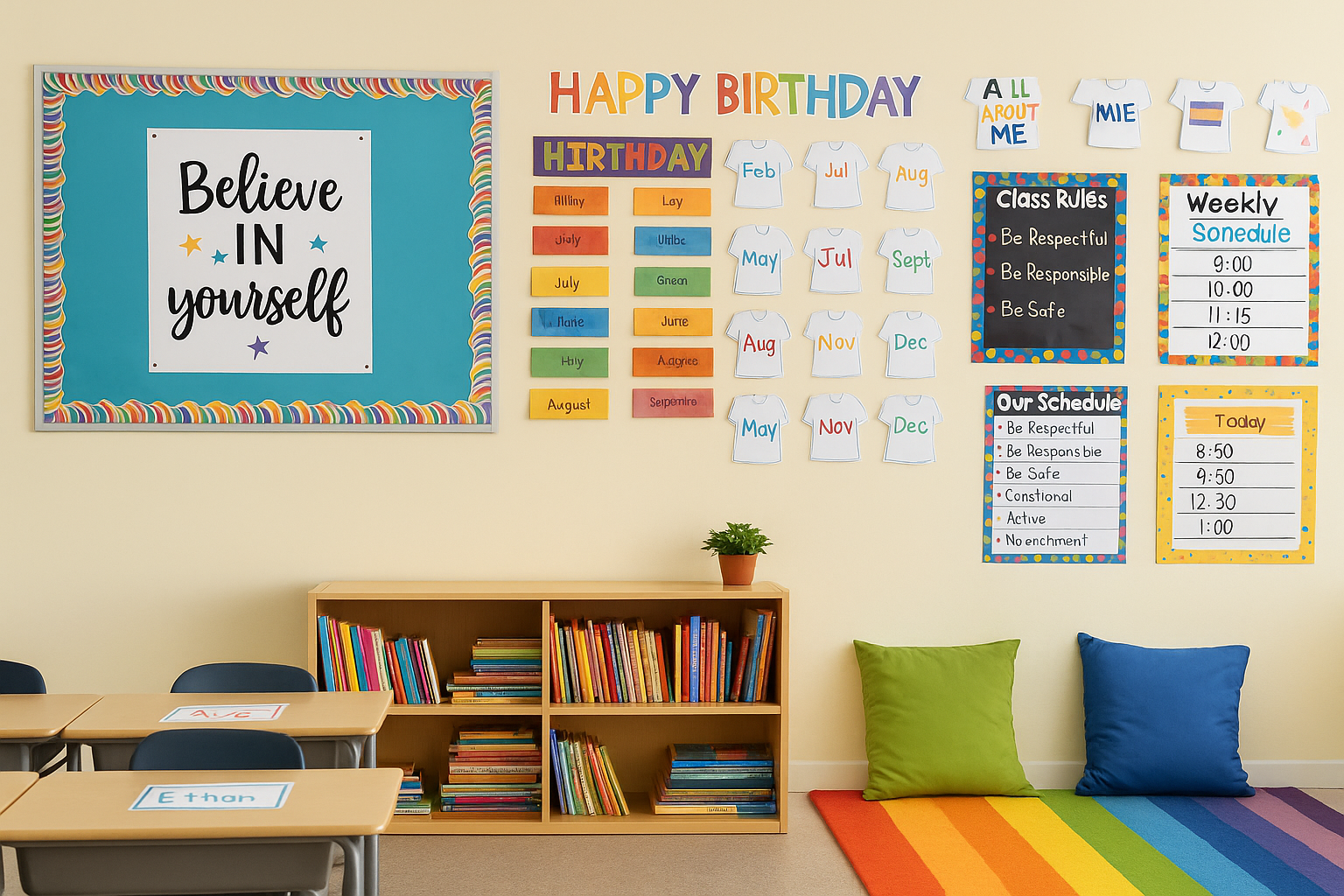
3. Classroom Decor

Your classroom should reflect your teaching style and make students feel inspired.

Ideas for easy decor wins:

  • Bulletin boards with motivational quotes or student goals
  • A birthday board or “All About Me” wall to celebrate each child
  • Functional posters (e.g., classroom routines, schedule, rules)
  • A cozy reading corner or themed learning center
  • Personalized name tags or door signs to build connection

4. Parent & Family Communication

Strong communication early on builds trust and sets expectations.

To-do list:

  • Draft your welcome letter or email
  • Prepare a simple classroom newsletter template
  • Set up tech tools (Remind, email lists, folders for notes sent home)
  • Create a contact log to track conversations or important updates
  • Have important forms and permission slips ready for Day 1

5. Back to School: First Week Planning

Getting your first week planned helps reduce stress and gives you more energy to build classroom culture.

Suggestions:


💡 Bonus Tip: Don’t Forget Yourself

The start of the year is intense. Make space to take care of you.

Try this:

  • Build in breaks for coffee, deep breaths, or movement
  • Don’t aim for perfection—progress is the real goal
  • Keep a few uplifting notes from students/families nearby for tough days

Download Your Printable Checklist

Want all these steps in one simple, ready-to-use format?

Grab your free printable Back-to-School Teacher Checklist here:

👉 Download the Checklist PDF


Final Thoughts

Back-to-school doesn’t have to mean burnout. With a little planning and the right tools, you can start the year feeling prepared, inspired, and excited for what’s ahead.

Need support with engaging, curriculum-aligned activities that students love?

🎮 Create your first Legends of Learning assignment today and bring your classroom to life!

👉 Create an Assignment

Science Games to Explore This Summer & Back-to-School Season

Looking for science games that excite, engage, and reinforce learning? You’re in the right place! Whether you’re supporting summer learning or prepping for a strong start this fall, our new science games help students build key skills through hands-on discovery and immersive fun.
👉 If you missed last month’s release, check out the May update here.

Get ready to engage your students with exciting new adventures and hands-on learning experiences!

Science Games for Grades 3-5

  • WaveJumper: Explore different Wave Properties through colorful minigames!

Science Games for Grades 6-8

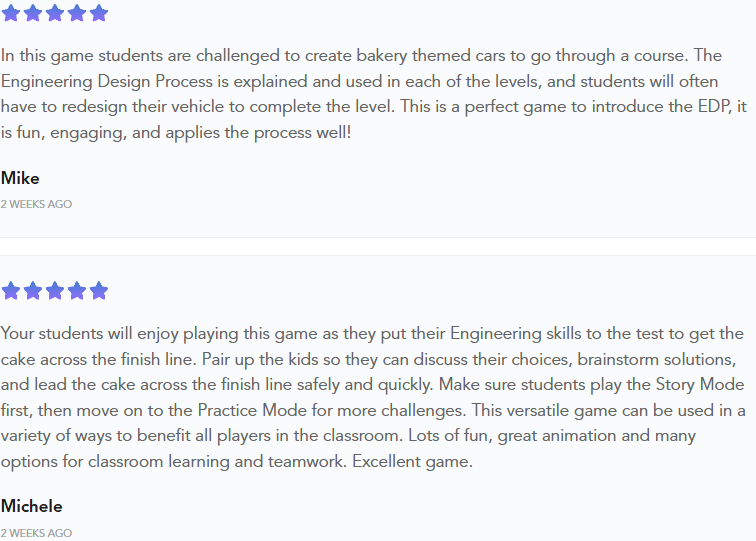
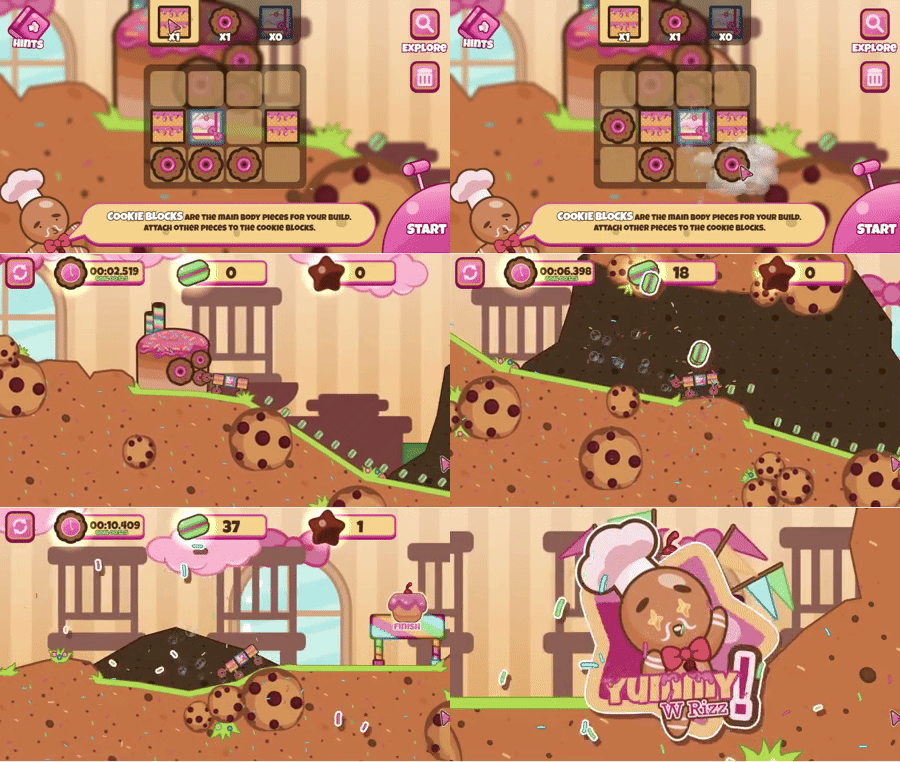
  • Pastry Engineering: Time to build! Learn and apply the Engineering Design Process to craft a vehicle and cross the finish line!

These science games turn core classroom concepts into unforgettable experiences. Whether you’re covering physical science, life science, or engineering skills, they offer differentiated play that brings standards to life.

Teacher Tip: Use these games for centers, early finishers, or back-to-school review. They’re perfect for engaging every type of learner—while reinforcing the concepts you care about most.

WaveJumper — Elementary Science 🌊

Looking for science games that excite, engage, and reinforce learning? You’re in the right place!

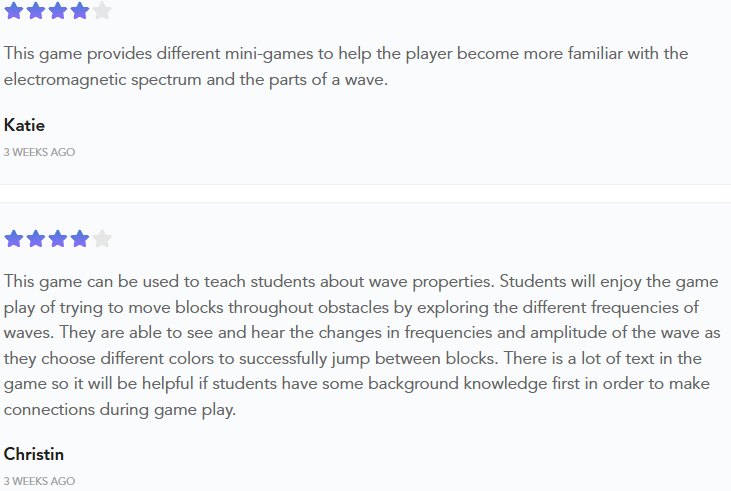
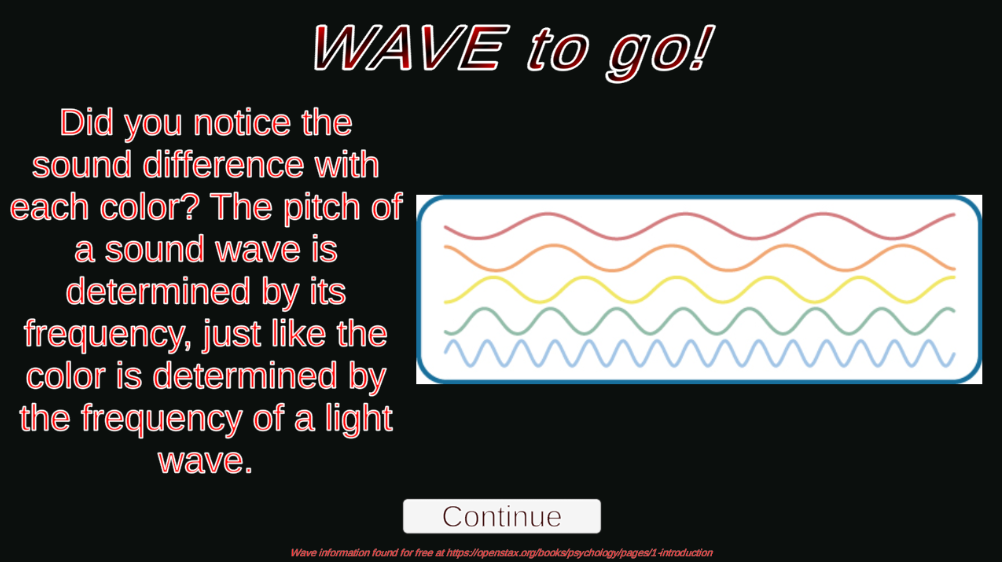
How long can you jump to the beat? Change the color of your cube to alter the wavelength and amplitude of your jumps. But watch out—the terrain shifts as new wave properties are introduced, challenging students to apply what they’ve learned in real time. This is one of our most playful—and visual—science games yet.

Pastry Engineering — Middle Science 🧁

Get ready for a sweet STEM adventure! Snap together cookie blocks, launch Cream Jets, and test your vehicle in physics-based challenges. Pastry Engineering guides students through the entire Engineering Design Process—from Ask and Imagine to Test and Improve. It’s a classroom favorite for creativity, collaboration, and learning through doing.

Pastry Engineering — Middle Science. Time to build! Learn and apply the Engineering Design Process to craft a vehicle and cross the finish line!

Methodical Firefighter — Elementary Science 👩🏼‍🚒

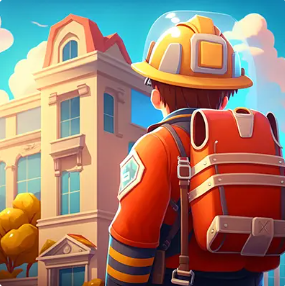
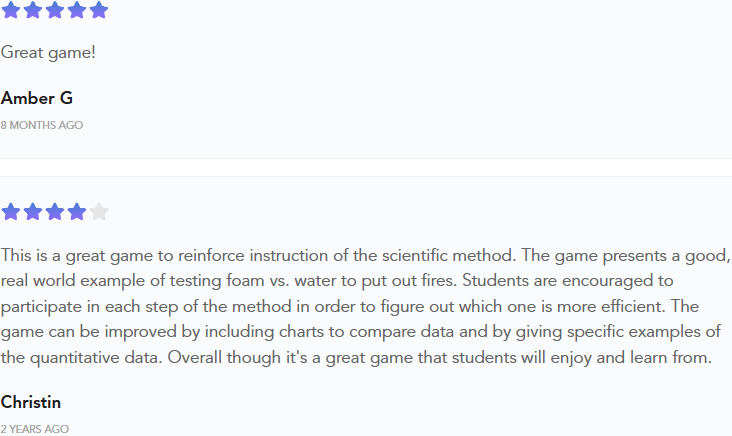
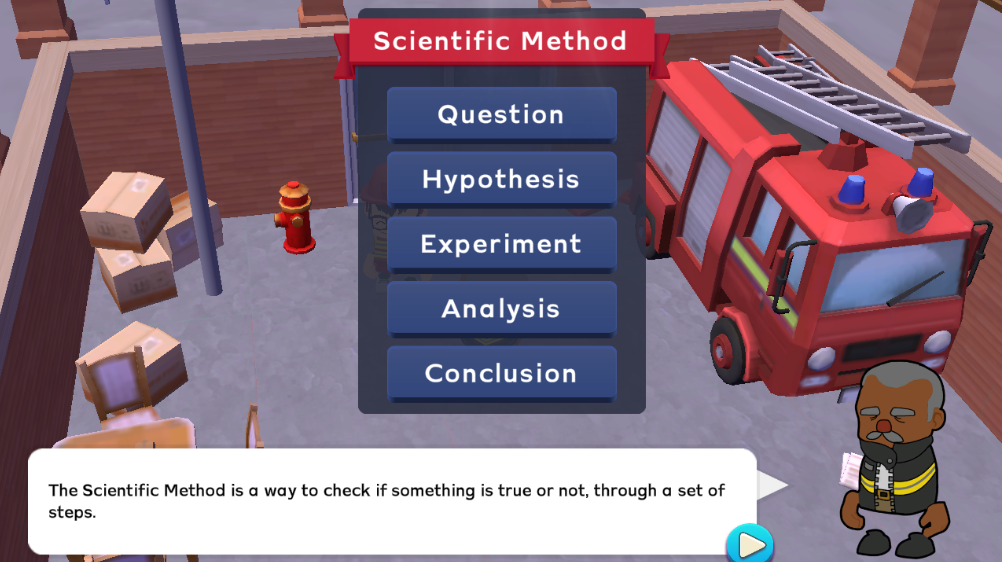
Methodical Firefighter: Use the Scientific Method to extinguish fires in the city!

Students become firefighters in training—testing water types and equipment in problem-solving scenarios designed to teach the Scientific Method. Through experimentation, trial-and-error, and gamified missions, students apply real science to every step. A great pick for review, reinforcement, or independent exploration.

Explore Even More Science Games

Keep an eye out for future releases! These science games aren’t just fun—they’re standards-aligned and built for long-term retention across K–8.


New to Legends of Learning?

Sign up now and access hundreds of teacher-approved science games, real-time analytics, and classroom-ready resources that make planning easy and learning exciting.


Teacher Rewards Points

Earn points by leaving reviews! Your feedback helps other educators find the right science games—and helps us create more of what you and your students love.


Questions?

We’re here to help. Reach us any time at support@legendsoflearning.com
Math Games to Explore This Summer & Back-to-School Season

Looking for fresh math games to energize your classroom this summer or get a head start on back-to-school? You’re in the right place! This month’s Legends of Learning update is packed with exciting new cool math games for K–8 students.

If you missed last month’s release, you can check out the May update here.

Math Games for Grades K-2

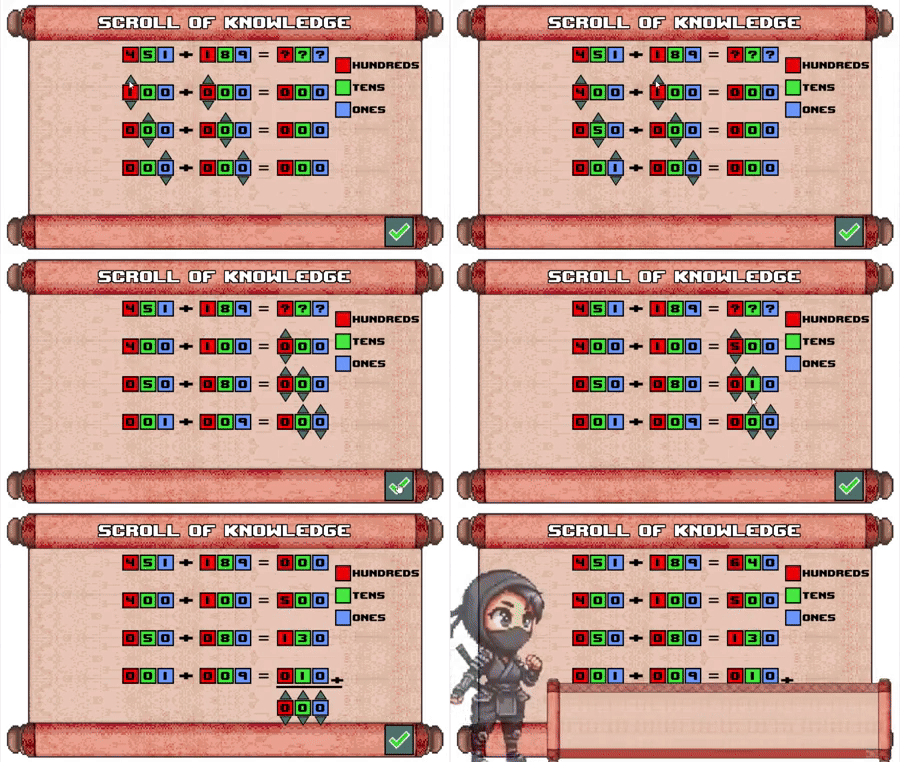
  • Slingshot Shinobi: The Operator Owl: Join Kenzo and learn how to Add and Subtract within 1000 while collecting coins and summon the operator owl!
  • Gears of Time: Use your knowledge of Tell and Write Time to Nearest 5 Minutes to fix broken clocks and restore the timeline after a time traveler causes chaos.

Math Games for Grades 3-5

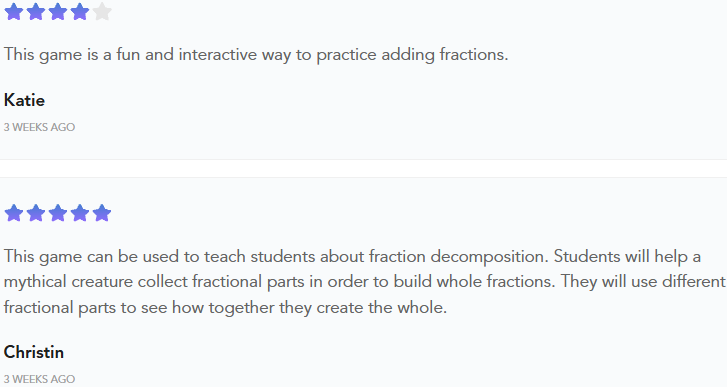
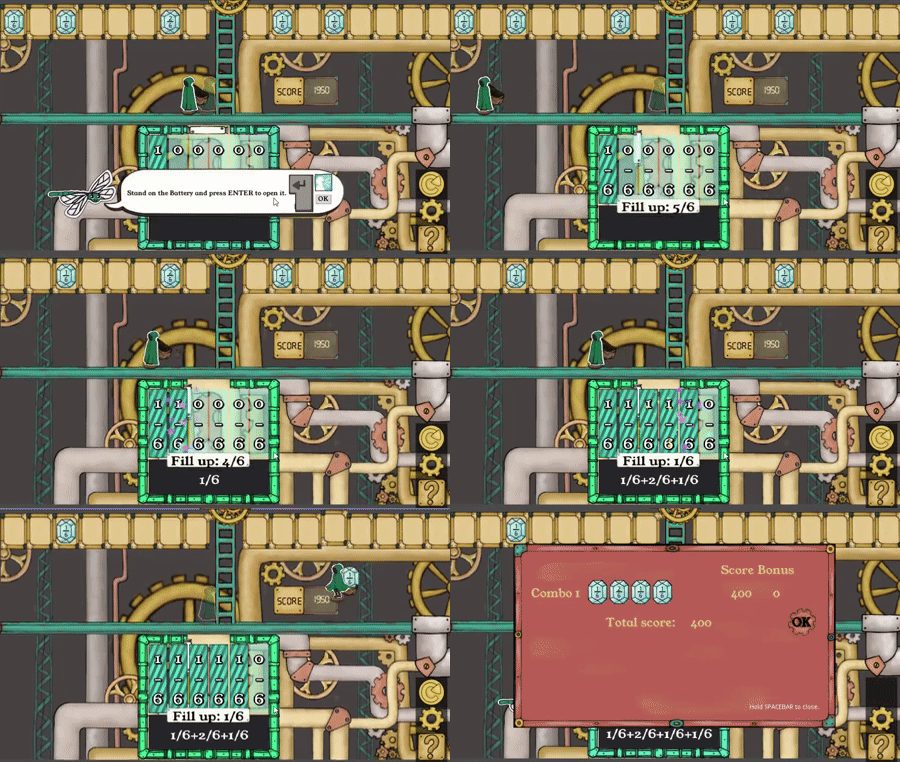
  • The Wondering Vagabond and The Fae FractionsBattle corrupted fae while learning about the Fraction Decomposition to save the forest!
  • Multipli Tower: Climb the Multipli Tower, dodge traps, and Multiply Fractions with Unlike Denominators to defeat the Pig Boss. 
  • Decimal Zoo: Compare Decimals To The Thousandths to learn about decimals fun. Slice fruits, compare animal weights, and master decimals! 
  • Pattern.io: Eat the correct pieces to Generate Patterns Using A Given Rule And Analyze!

Math Games for Grades 6-8

This month’s math games drop brings a fresh batch of interactive adventures that make abstract concepts click through play. From number operations to fractions and unit rates, these games are built to deepen understanding while keeping students motivated and engaged.

Teacher Tip: Use these math games to reinforce skills during summer learning—or bookmark them for back-to-school review, independent practice, or math centers that make every minute count.

Slingshot Shinobi: The Operator Owl — Elementary Math

Slingshot Shinobi: The Operator Owl: Join Kenzo and learn how to Add and Subtract within 1000 while collecting coins and summon the operator owl

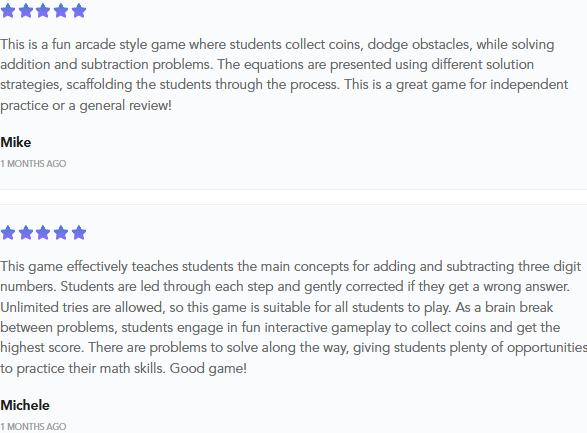
Slingshot Shinobi: The Operator Owl is a high-speed ninja adventure where math and action collide! Race through The Owl Outpost, a 1,000-meter battlefield, relying on quick reflexes and sharp math skills to dodge obstacles and outmaneuver obstacles.

  • Master addition and subtraction challenges to gain momentum — correct answers boost your speed, while mistakes slow you down.
  • Tap to collect golden coins, vault over traps, and navigate a 1,000-meter battlefield.
  • Unleash powerful jutsu techniques like Magnetism and Rain Shield to stay ahead of obstacles.
  • Summon the legendary Operator Owl for extra guidance and special boosts.
  • Every 200 meters, the challenge intensifies — only the fastest minds and quickest hands will conquer the course!

The Wondering Vagabond and The Fae Fractions — Elementary Math

The Wondering Vagabond and The Fae Fractions — Elementary Math Game

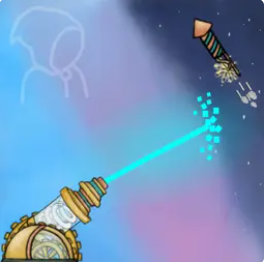
The traveling scholar, The Wondering Vagabond, finds themselves in a magical forest where corrupted fae threaten the natural balance. They must use a crystal launcher powered by magical essences to defend the realm.

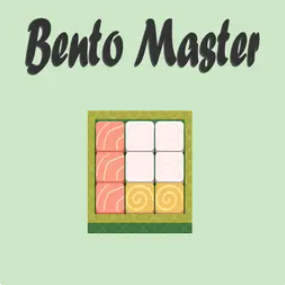
Bento Master — Middle Math

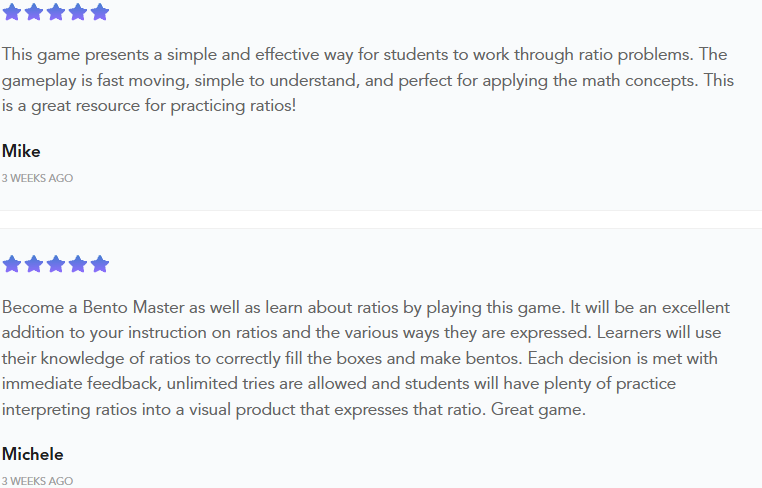
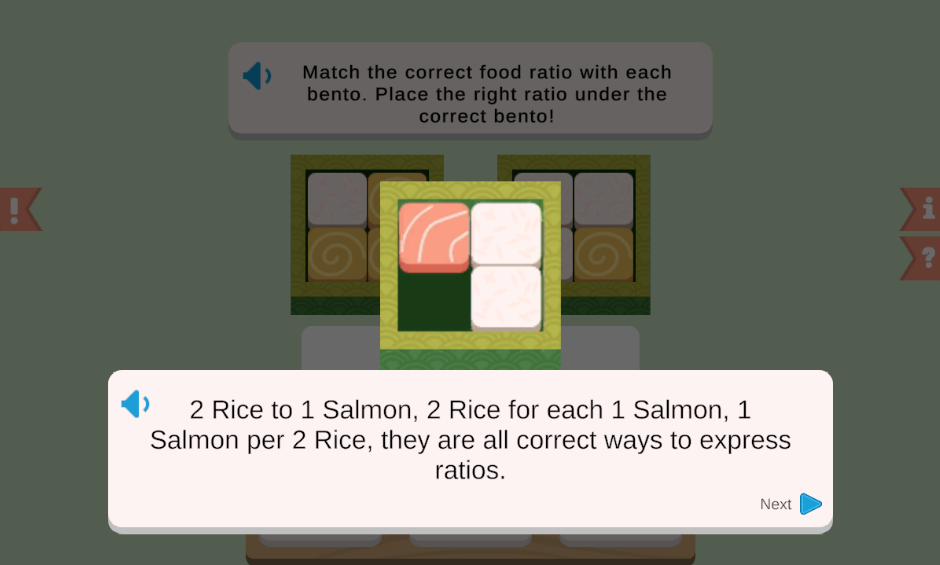
Bento Master: Understand Unit Rate As A Comparison To 1 to craft and classify every bento box!

Become a Bento Master by crafting delicious bento boxes with precise portions and perfect balance!

These fun math games are built to meet standards, keep kids engaged, and help teachers maximize their time!

EXPLORE LEARNING UNIVERSE GAMES

Keep an eye out for more exciting updates! These math games are not only fun—they’re built for standards alignment and long-term retention. Whether used in summer learning or as part of your fall review plan, they’re ready when you are!

New to Legends of Learning?
Sign up now and embark on an educational adventure! With our platform, you’ll have a treasure trove of standard-aligned math games, detailed analytics, and resources to efficiently reinforce concepts, differentiate instruction, and boost your students’ confidence.

Teacher Rewards Points
Don’t miss the chance to earn Rewards Points by leaving teacher reviews! Your insights help other educators choose the right math games and empower us to create even better content. By sharing your feedback, you’re shaping the future of classroom learning and making the journey more rewarding for everyone.

Have questions? Reach out to us at support@legendsoflearning.com
For Teachers
For Schools
For Districts
Contents