Hi Legends! 👋 Welcome back to another update from our Learning Universe. This October we’re adding three new K-8 science games that put matter, materials, and photosynthesis in students’ hands — not just on a vocabulary list.
Physical and chemical changes, measurable properties of materials, and how plants turn sunlight into energy are concepts students meet every year. These games make the invisible visible: dissolving sugar, testing hardness, growing a tree inside a biodome.
📚 If you missed our summer releases, revisit July’s middle school science games to explore recent titles.
🧪 New K-8 Science Games for October
Get ready to bring fresh energy into your classroom with these interactive science classroom games!
Grades 3–5
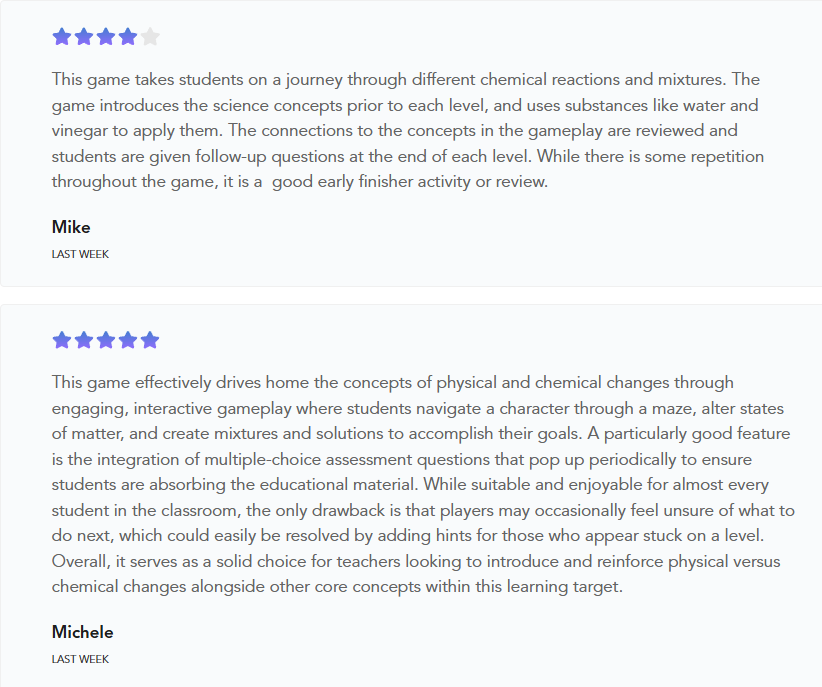
- Matter Lab: Save the lab after a chemical reaction goes wrong! Students sort physical vs. chemical changes, dissolve substances, and shut down a runaway machine before the city is at risk.
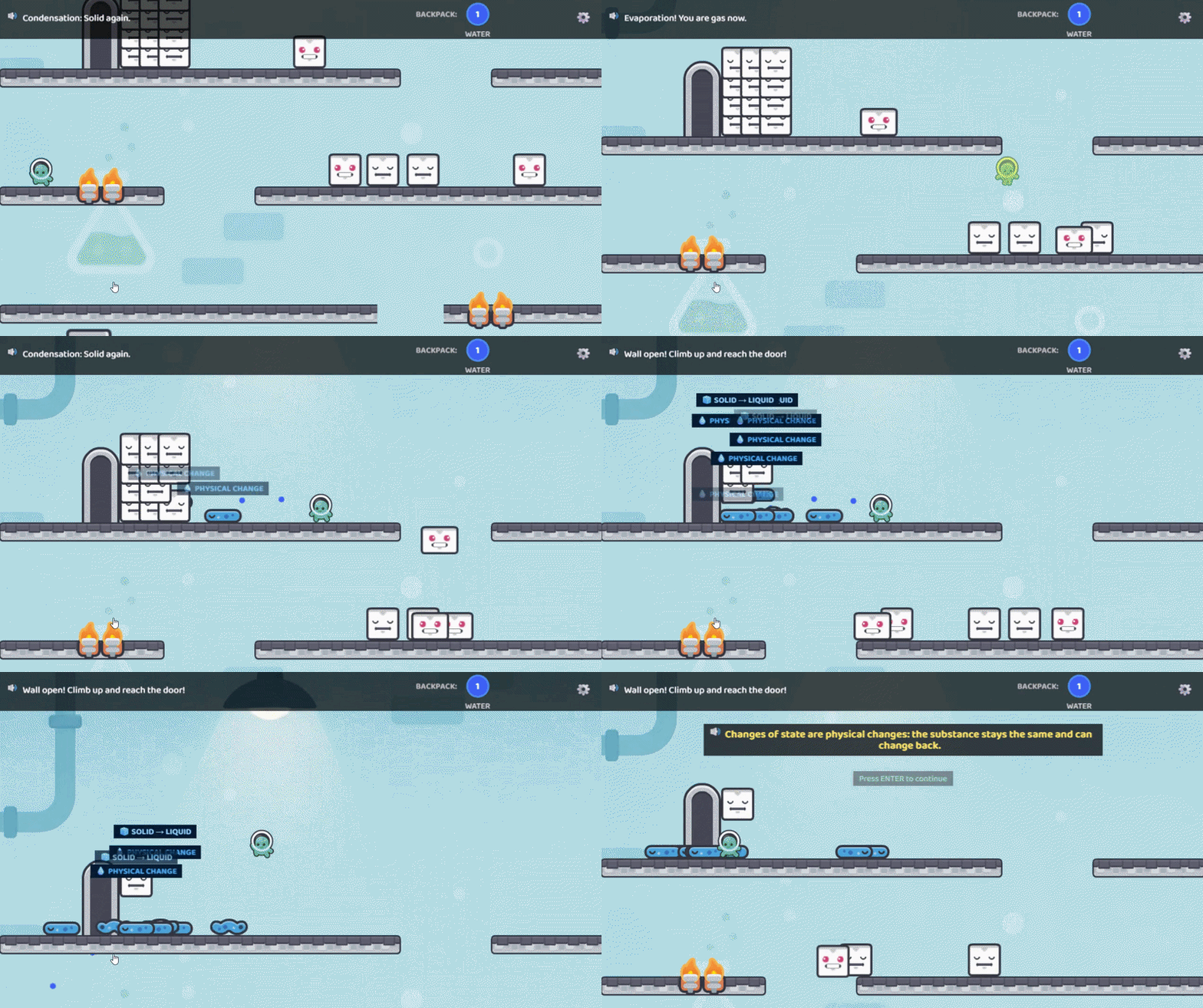
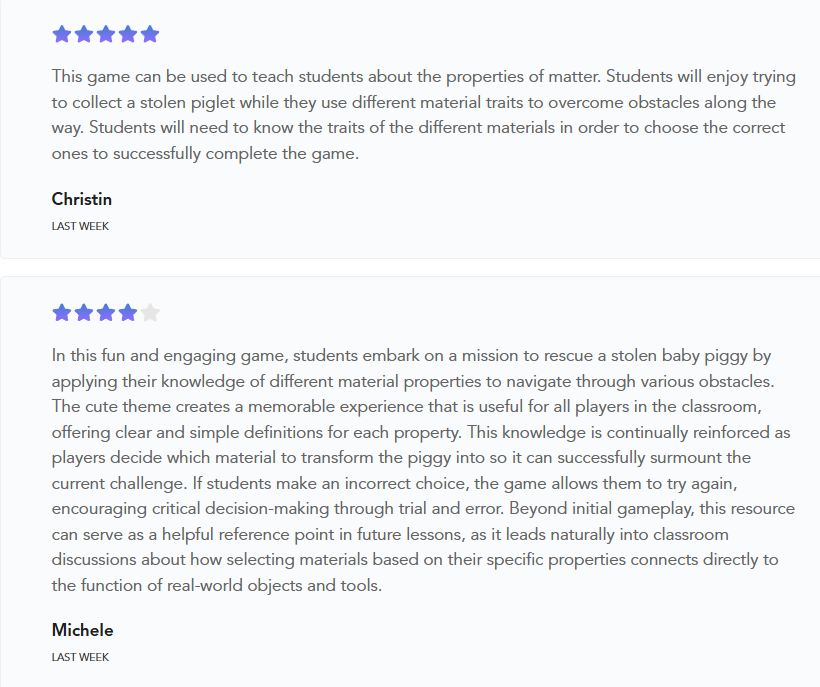
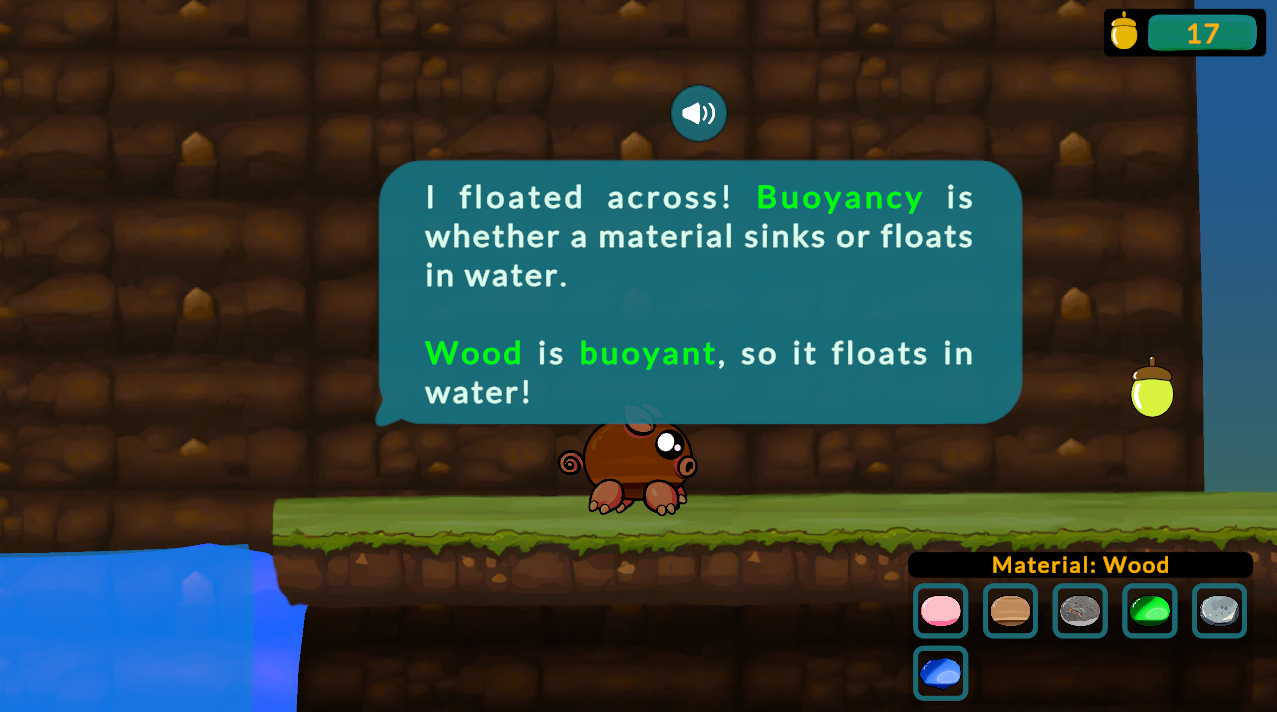
- Pigglesney Matters: Shape-shifting piggy Pigglesney uses material properties — hardness, weight, reflectivity, conductivity — to solve puzzles and rescue a stolen baby piggy.
Grades 6–8
- Photobiome: Grow a tree inside a futuristic biodome. Use sunlight, water, and sugar from photosynthesis to restore oxygen, attract insects and animals, and rebuild a living food web.
💡 Teacher Tip: Use these during centers, lab warm-ups, early finisher rotations, or unit hooks. After gameplay, ask students to name one evidence they saw (bubbles = new gas, scratched diamond = hardness) — it reinforces scientific vocabulary without a separate vocab quiz.
Why These Topics Stick Better as Games
Chemical vs. physical changes are easy to memorize and hard to apply. Matter Lab puts both on the same lab floor — sugar dissolving (physical) next to vinegar + baking soda (chemical) — so students compare outcomes, not flashcards.
Properties of matter only matter when students use them. Pigglesney Matters turns hardness, weight, and conductivity into puzzle tools: pick the wrong material and you don’t clear the obstacle.
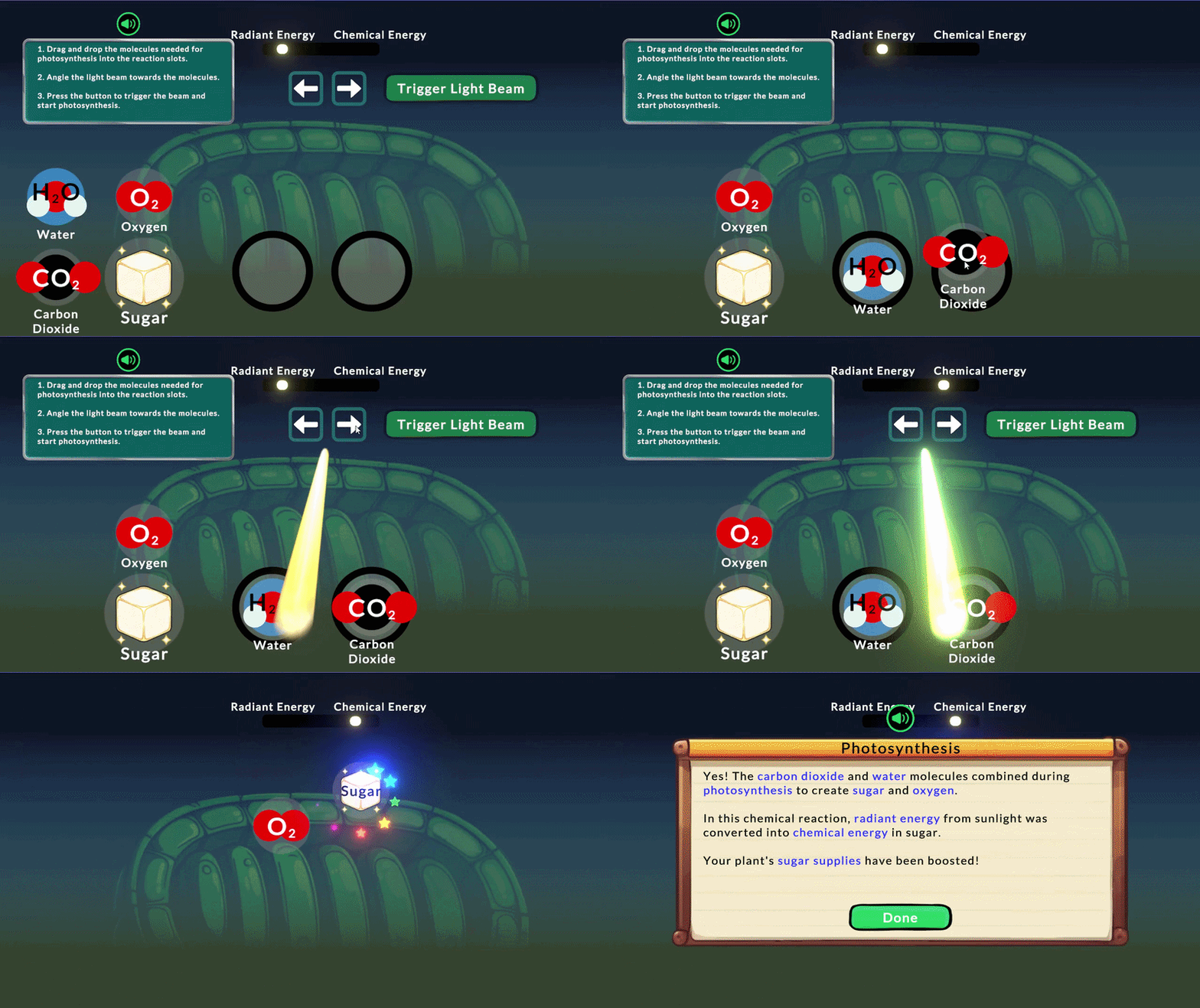
Photosynthesis is a process, not a definition. Photobiome lets middle schoolers grow a tree by managing sunlight, water, sugar, and chloroplasts — then watch oxygen and consumers follow. That’s NGSS-style systems thinking in a biodome.
These K-8 science games are built for teachers who need standards-aligned practice that still feels like discovery.
😎 A Closer Look at Our K-8 Science Games
These new science classroom games turn learning into interactive adventures students want to replay.
🧪 Matter Lab — Grades 3–5 Science
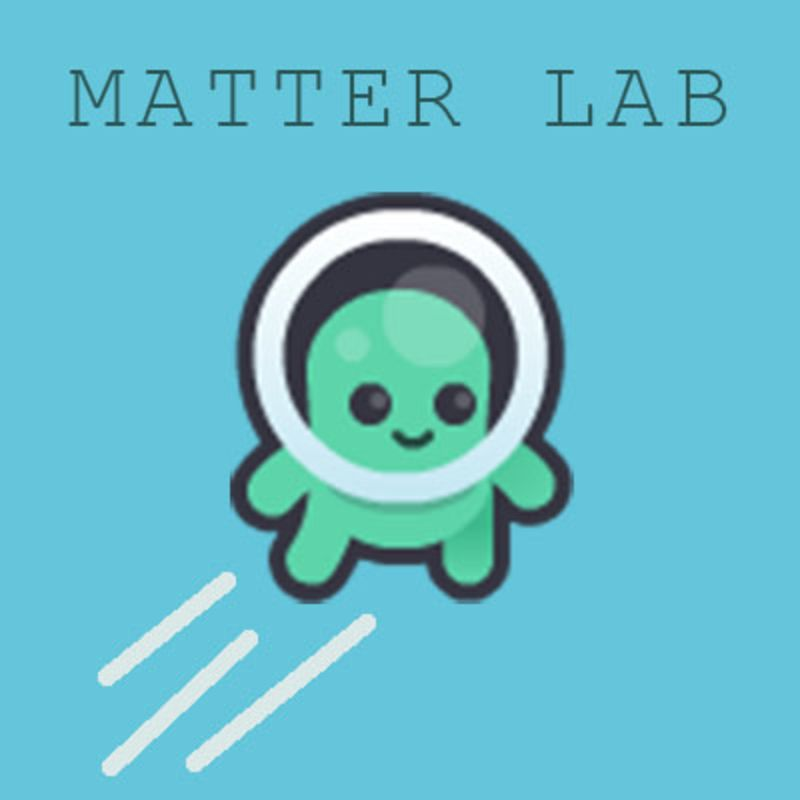
An experiment spirals out of control. Solids turn aggressive. Students guide MatterBot through the lab, collecting substances, dissolving sugar into solution, evaporating water to recover solids, and recognizing when a new substance appears (hello, CO₂ bubbles from vinegar + baking soda).
Checkpoints ask real teacher questions: Why does sugar vanish in water but gravel doesn’t? What changed when ice melted in the sun? The answer structure teaches reversible physical changes vs. irreversible chemical ones — exactly what elementary physical science standards push toward.
Grades 3–5 · Chemical Reactions
Classroom ideas: Use as a pre-lab hook before a hands-on mixing activity · Pause after a chemical-change level and have pairs list “evidence a new substance formed” · Assign Level 0–1 for introduction; later levels for review before a quiz.
🐷 Pigglesney Matters — Grades 3–5 Science
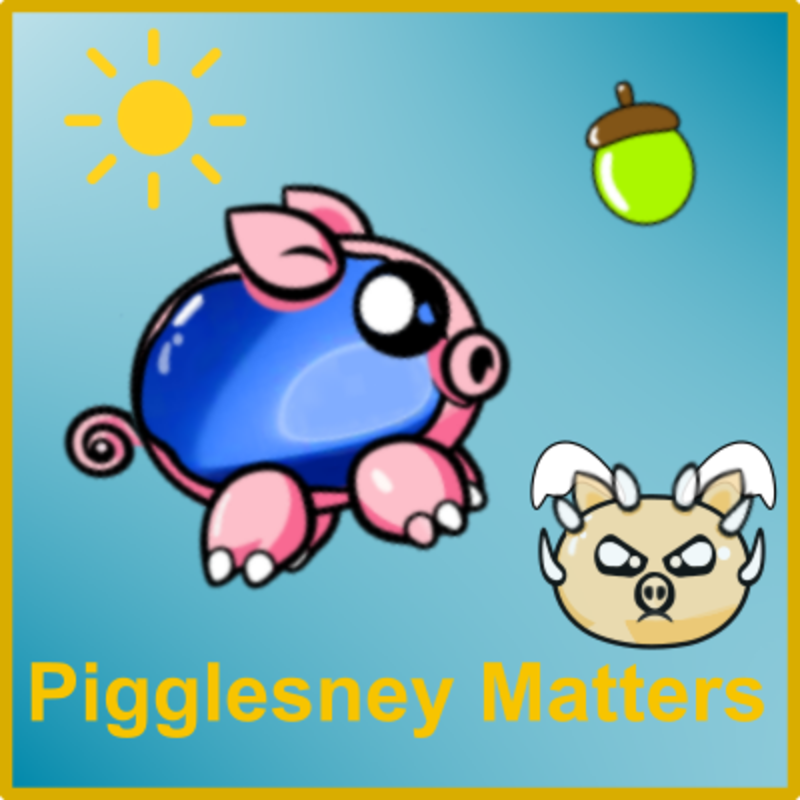
The spike monster stole the village baby piggy. Only Pigglesney — who can change body materials — can help. Students pick materials based on properties: heavy enough to smash debris, conductive enough to power electronics, reflective enough to redirect sunlight, hard enough to survive a scratch test.
The finale is pure science: distinguish a real diamond from a glass fake using hardness, weight, and reflectivity — with tools available, and only one guess. It’s properties of matter as adventure design, not a matching worksheet.
Grades 3–5 · Properties of Matter
Classroom ideas: Introduce a materials unit by projecting one puzzle and predicting which property matters · After play, have students invent a “material challenge” for a classroom object · Use the diamond scene as a quick assessment of property vocabulary.
🌱 Photobiome — Grades 6–8 Science
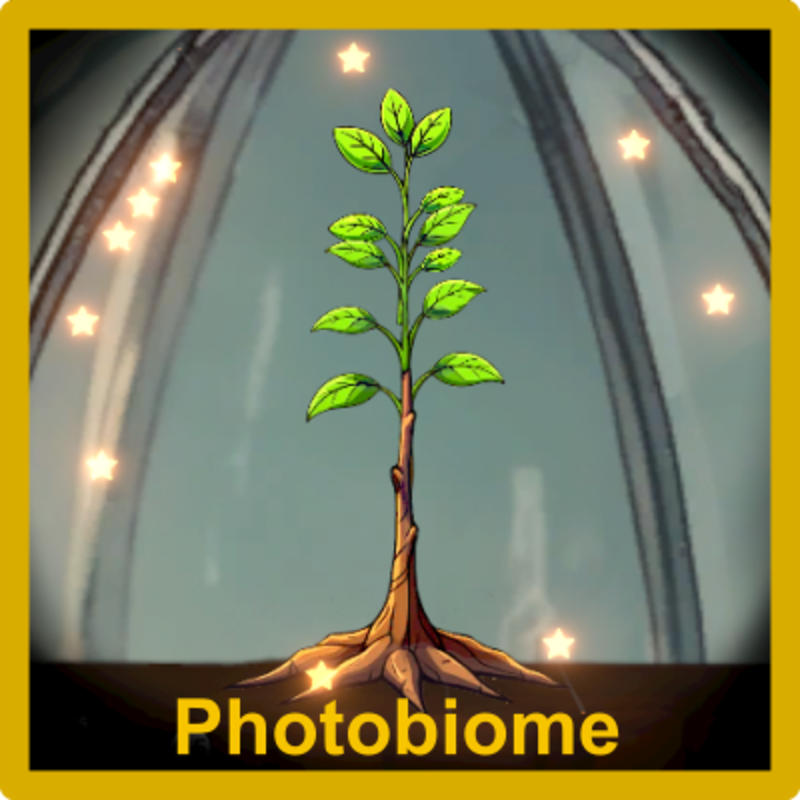
Year 2200. An asteroid wiped the atmosphere. One seed remains inside a biodome — and students grow it into a mature tree powered by photosynthesis.
Players manage radiant energy from the sun, water from roots and sprinklers, and sugar stores. Upgrades expand leaves (more chloroplasts), deepen roots, grow flowers with nectar, and produce seeds. Milestones track oxygen rising toward 20%, insects arriving for nectar, and animals following the food supply. Photosynthesis isn’t a labeled diagram — it’s the engine of an entire recovering ecosystem.
Grades 6–8 · Photosynthesis
Classroom ideas: Open a photosynthesis unit with 15 minutes in the biodome before notes · Ask: “Where did the sugar come from? Where did the oxygen go?” after a milestone · Connect to food webs: insects → nectar, animals → seeds/fruit, all funded by photosynthesis.
How Teachers Can Use These Science Games This Month
October is a strong month for physical science and life science units. These K-8 science games work well as:
- Warm-ups before a related lesson (10–15 minutes)
- Station rotations during lab weeks when you need independent work
- Pre-assessments — watch how students talk about changes, properties, or energy before you teach
- Review before quizzes without another packet
- At-home practice for students who need a second pass at the concept
Looking for more options? Revisit July’s middle school science releases or explore the full K-8 science game library.
Frequently Asked Questions
What grade levels are these science games for?
Matter Lab and Pigglesney Matters are built for grades 3–5. Photobiome targets grades 6–8. All live in our K–8 Learning Universe and align with NGSS learning objectives.
Are these science classroom games free to try?
Yes. Create a free account on Legends of Learning to assign games to your class or explore them in the Learning Universe.
What standards do they cover?
Chemical reactions / physical vs. chemical changes, properties of matter (hardness, weight, reflectivity, conductivity), and photosynthesis as an energy-and-matter process that supports ecosystems.
Do I need lab materials?
No. These are browser-based games you can assign as digital labs, centers, or hooks before a hands-on activity.
How do I match a game to my lesson?
Search by standard or topic in the Learning Universe — filter for matter, chemical reactions, or photosynthesis — or use the direct play links above.
🌎 Explore Learning Universe Games
Three games. Three core science ideas. Assign-ready K-8 science games for your next block.
Browse October science games →
New to Legends of Learning? Sign up today and start exploring!
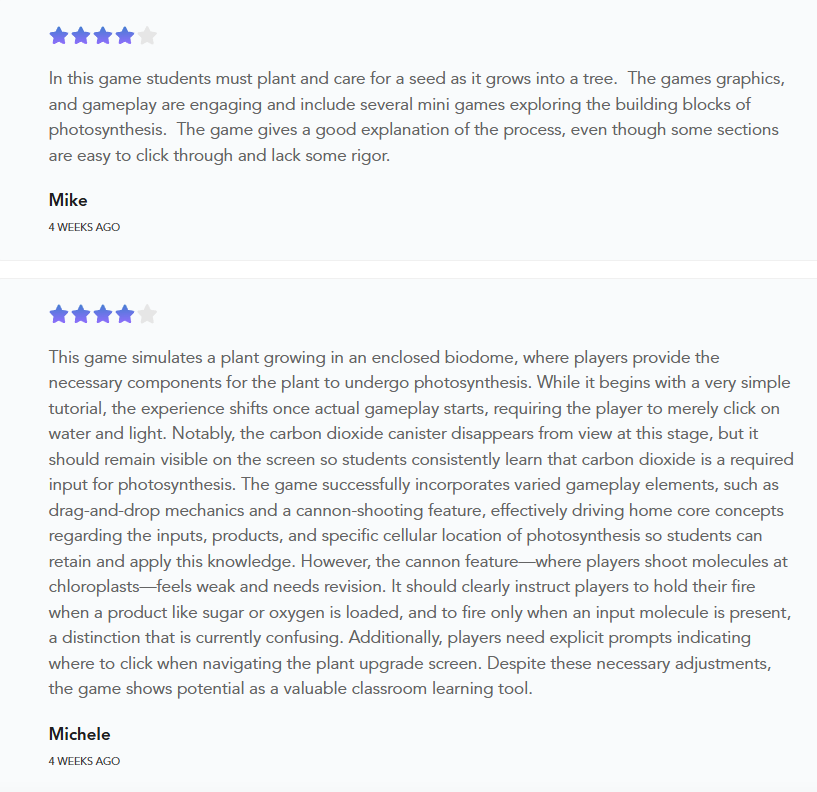
💬 Don’t forget — you can earn Reward Points by leaving reviews on the games you play. Your feedback helps other educators discover the best learning experiences and guides us in building even better educational content.
📩 Questions? Contact us anytime at support@legendsoflearning.com