
New Math Classroom Games for April: Interactive Learning for Grades 3–8
Hi Legends! Welcome back to another exciting update from our Learning Universe! This April, we’re introducing new math classroom games designed to boost engagement, strengthen problem-solving skills, and help students master key concepts through interactive learning.
Whether you’re introducing new topics or reinforcing essential skills, these games make math more approachable, meaningful, and fun for every learner.
📚 If you missed last month’s new games, you can revisit March’s update to explore recent releases.
📐 New Math April Games
Turn math practice into adventure with engaging, story-driven games that bring key concepts to life—from multiplication and fractions to decimals and percentages.
Grades 3-5
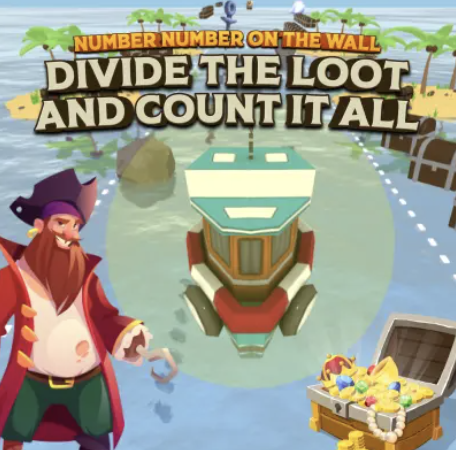
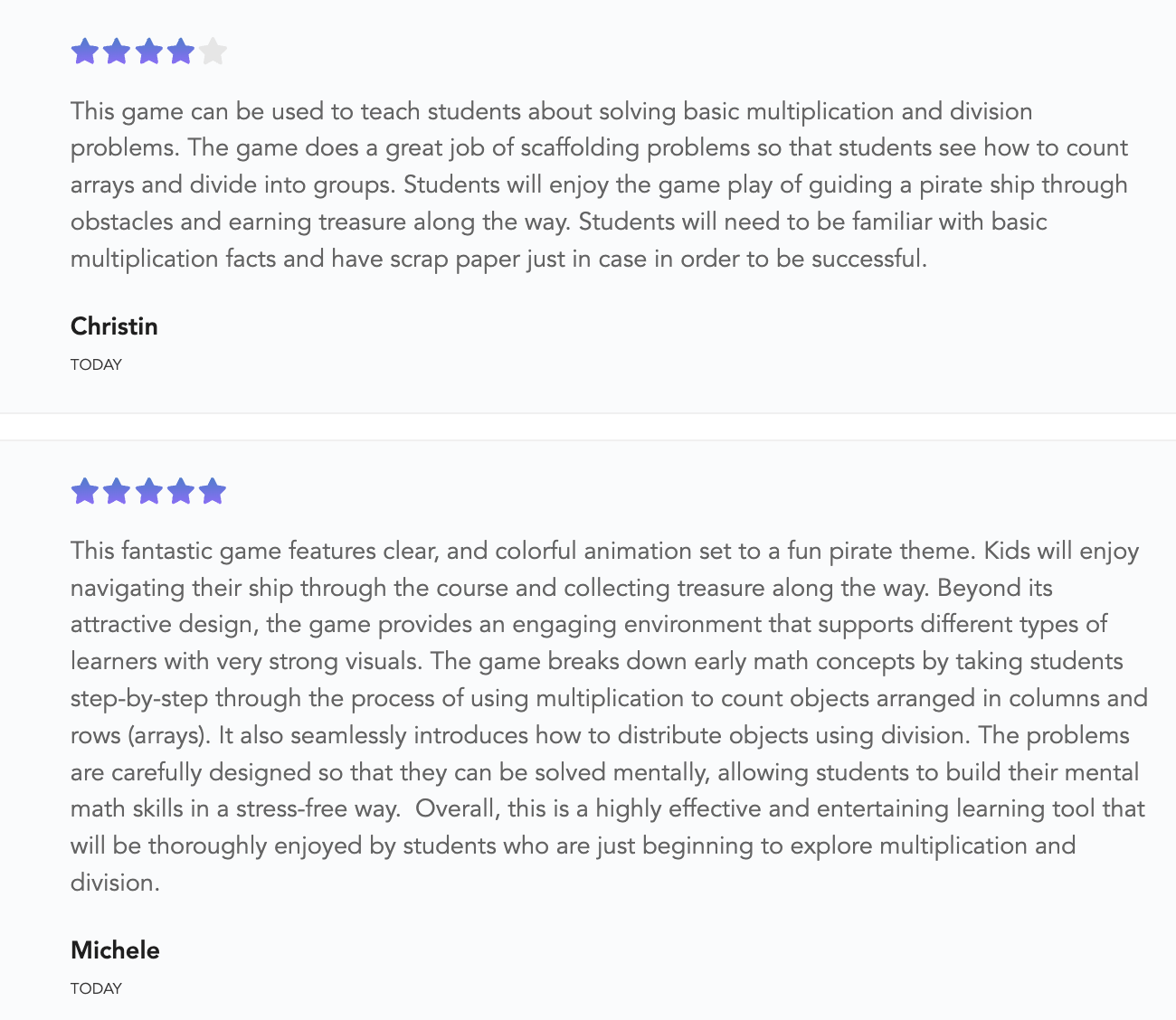
- 🏴☠️ Divide the Loot and Count It All: Set sail on a pirate adventure as students solve multiplication and division word problems, organize treasure, and share rewards fairly across the crew.
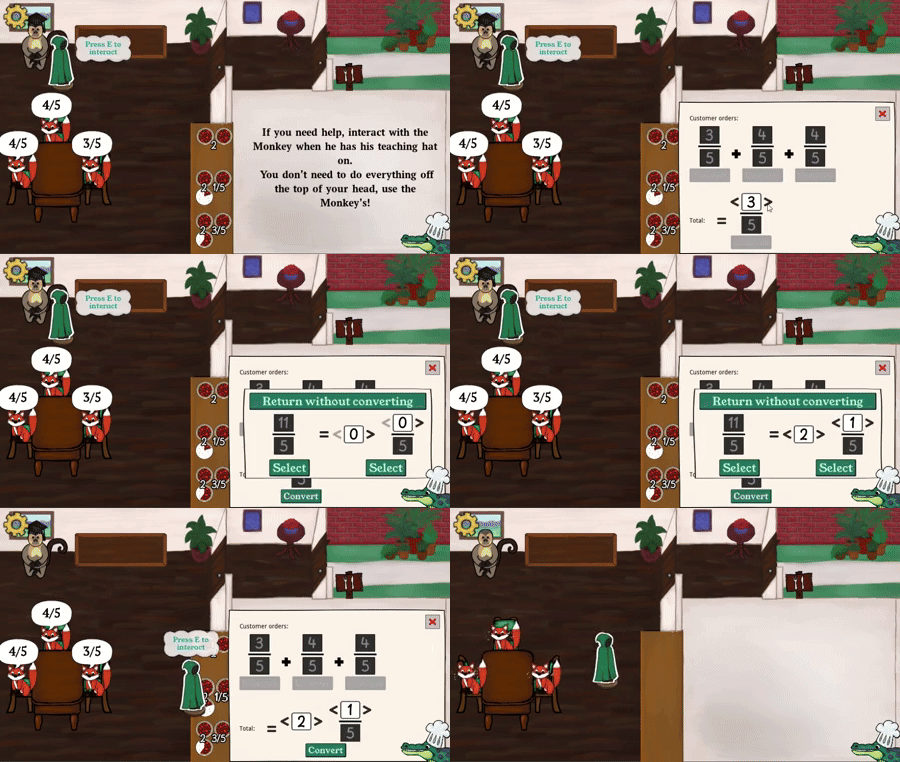
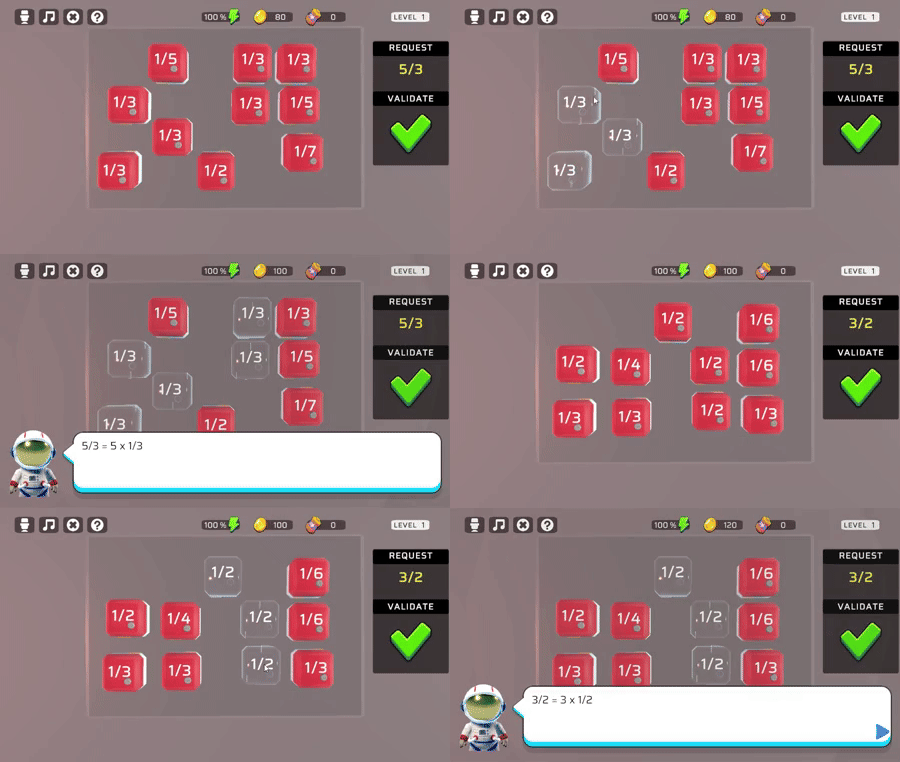
- 🍕 Number Number On The Wall: Tides of Ten: Fractions come to life in this delicious adventure! Students share food, solve challenges, and learn how to interpret fractions as division.
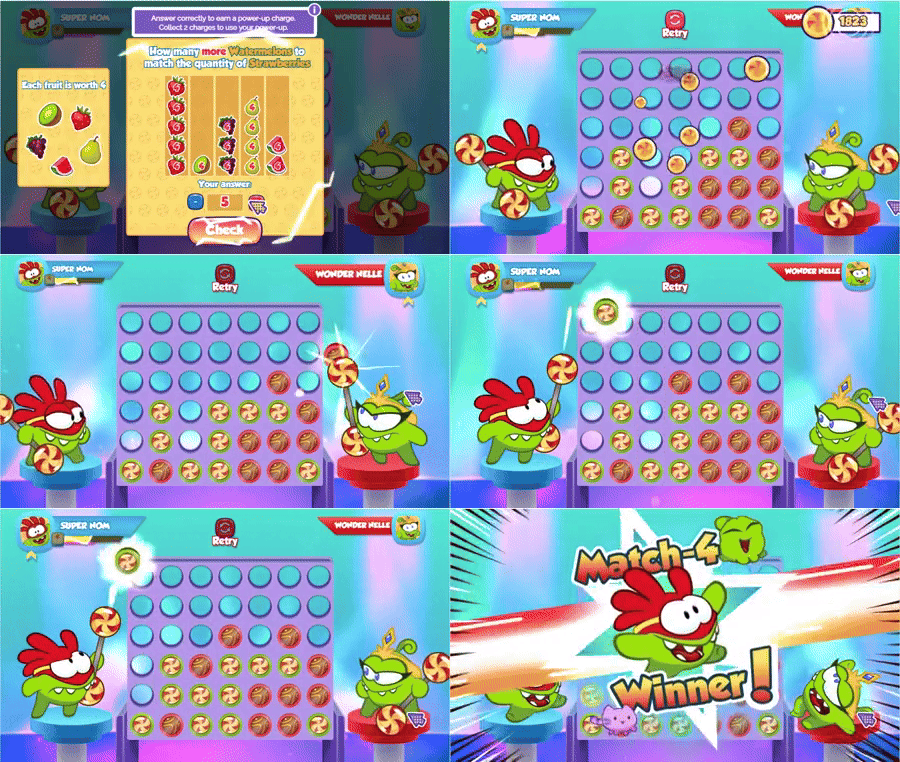
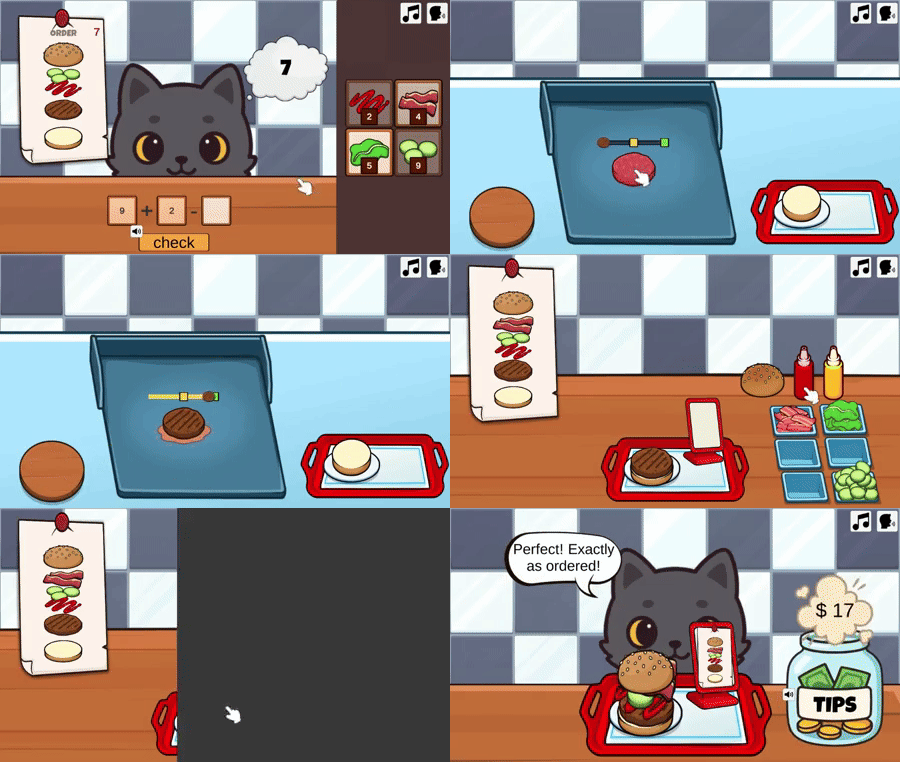
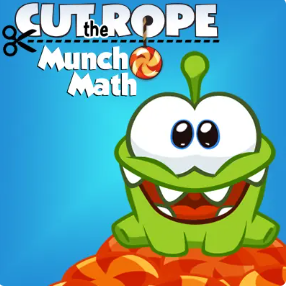
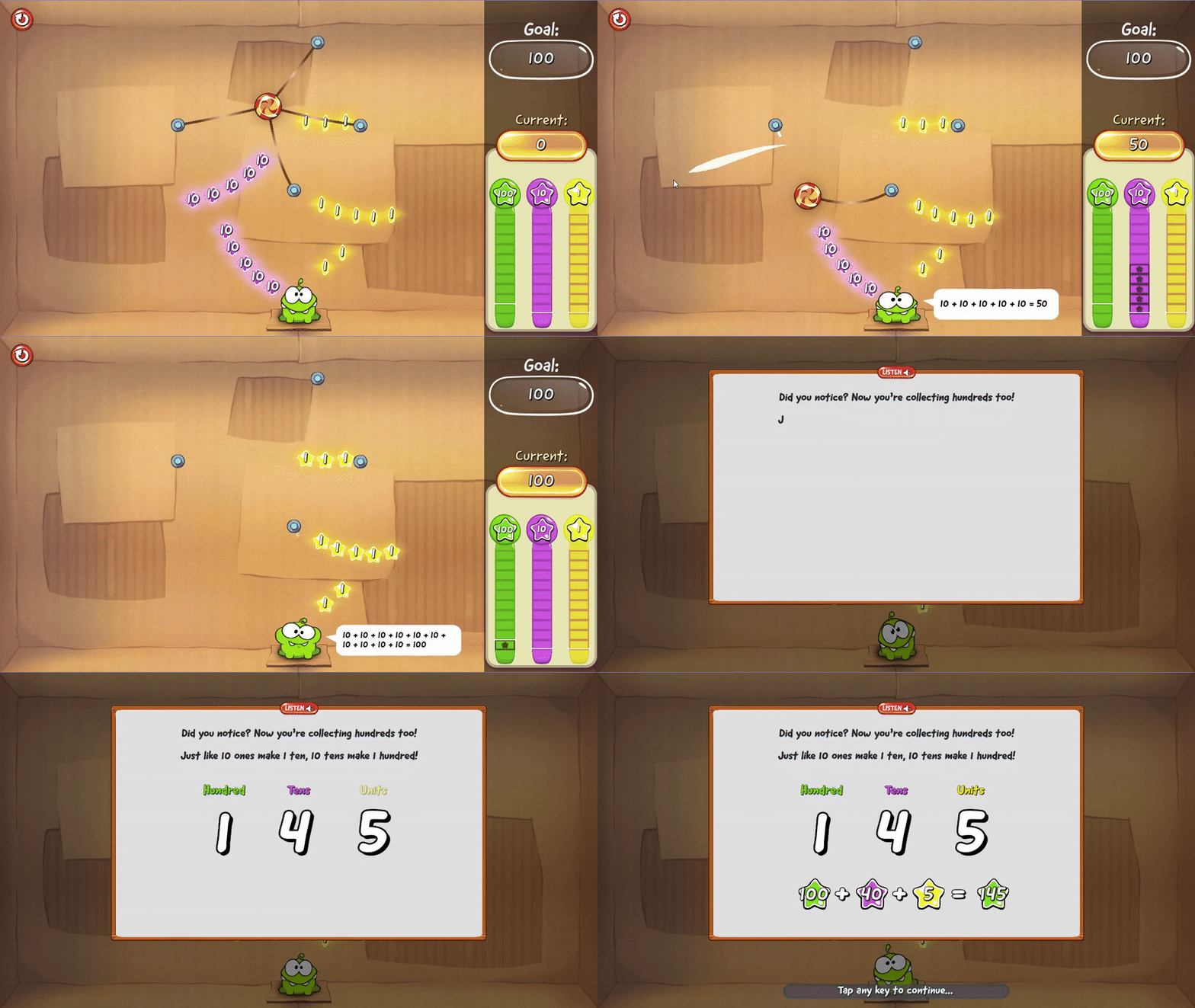
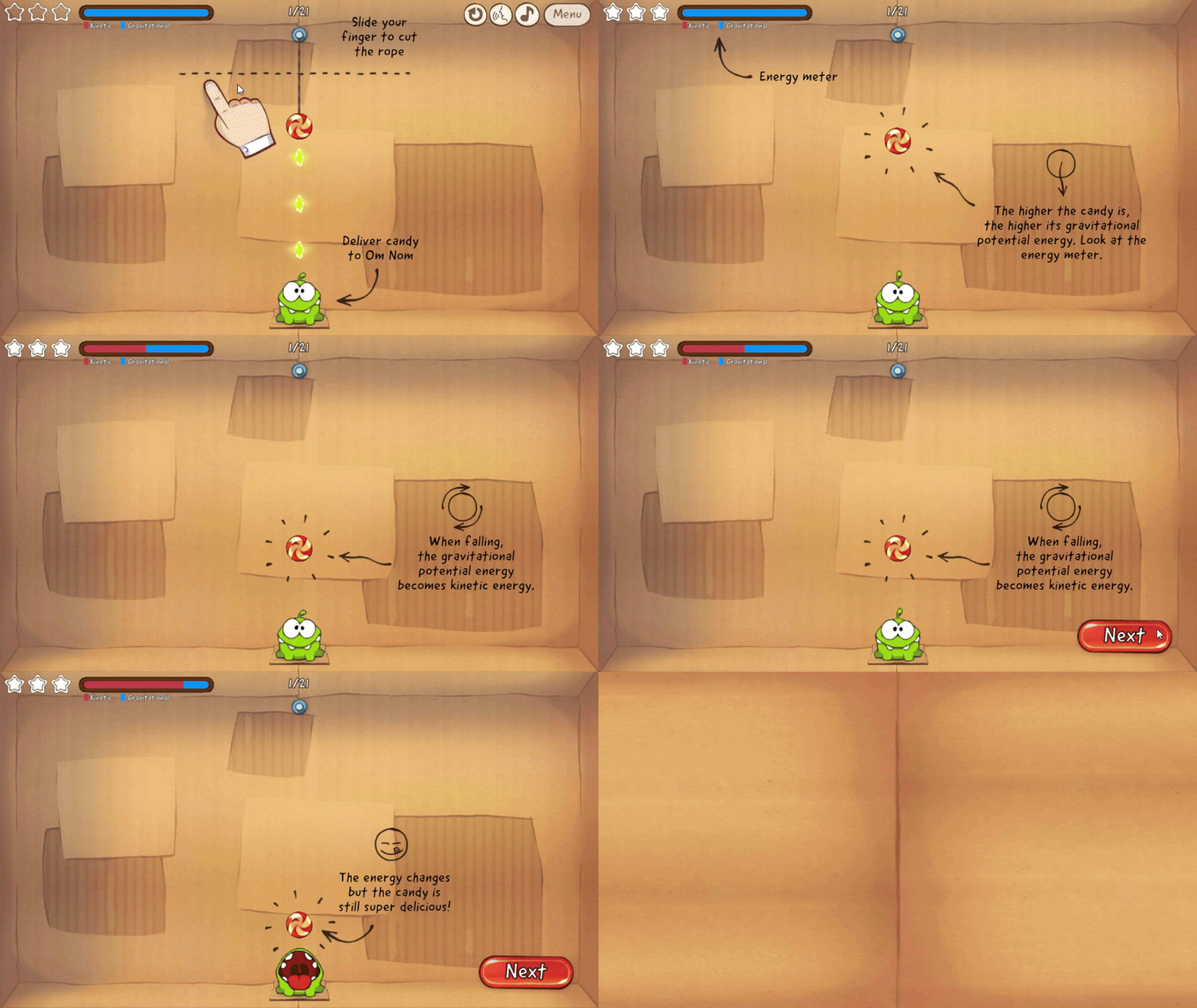
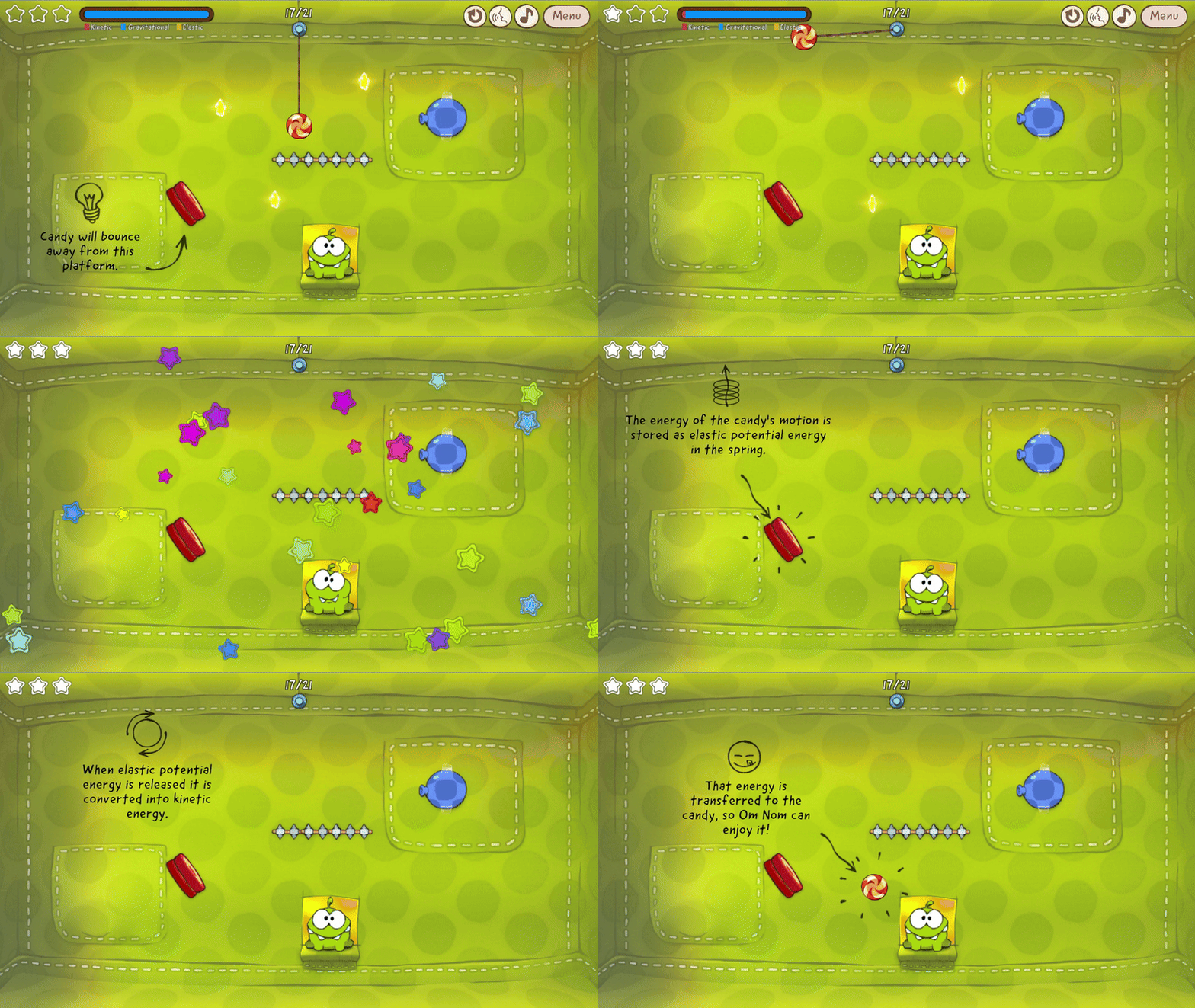
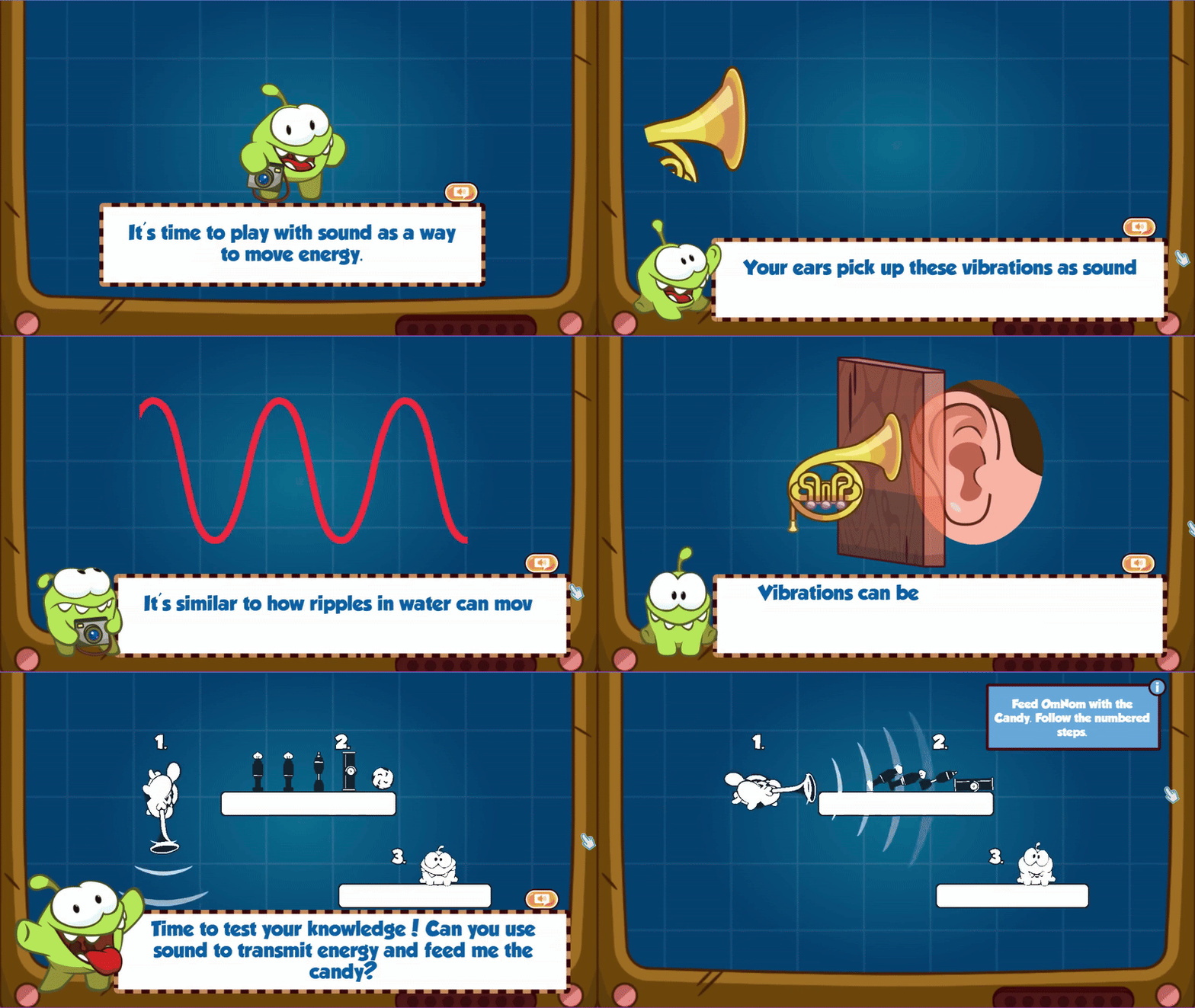
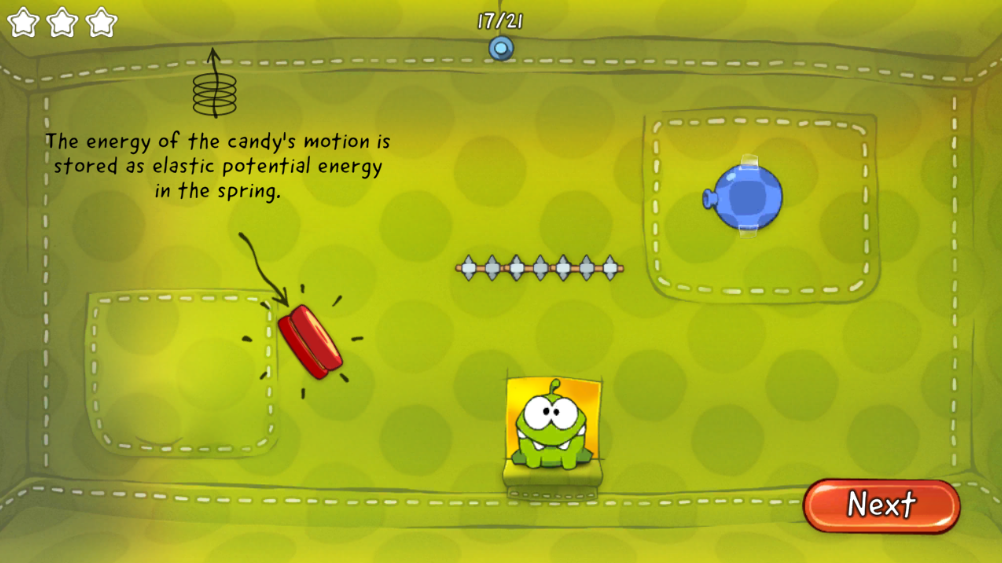
- 🍬 Cut the Rope: Crunch the Numbers: Join Om Nom to practice addition and subtraction using the standard algorithm. Solve problems, collect numbers, and deliver the right answer to win!
Grades 6–8
- ⚓ Number Number On The Wall: The Great Divide: Navigate a high-seas adventure while mastering decimal operations. Students add, subtract, multiply, and divide decimals to unlock new challenges and treasures.
- 🧩 100% Adventure: Help Slinky solve puzzles and dodge traps while learning how to find percentages using rates of 100 in this fast-paced math quest.
😎 A Closer Look at Featured Games
These math games turn learning into an interactive adventure! 🎉 Students build confidence in key skills like multiplication, fractions, decimals, and percentages through engaging challenges that make every moment meaningful.
🍎Teacher Tip: After gameplay, ask students to explain how they solved a problem or why a strategy worked. This helps reinforce math vocabulary and deepens conceptual understanding beyond the game.
🏴☠️Divide the Loot and Count It All — Elementary Math
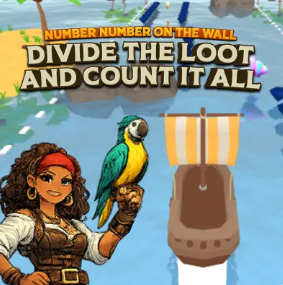
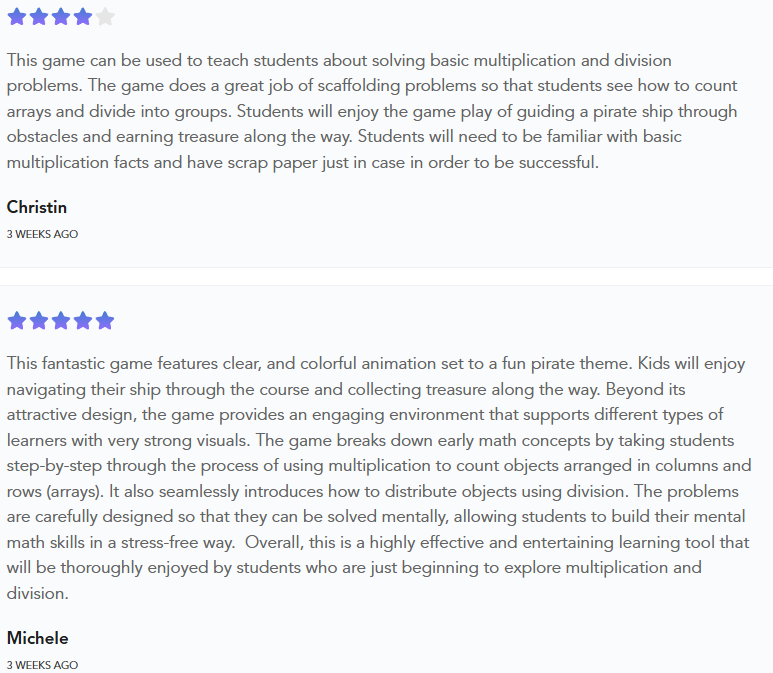
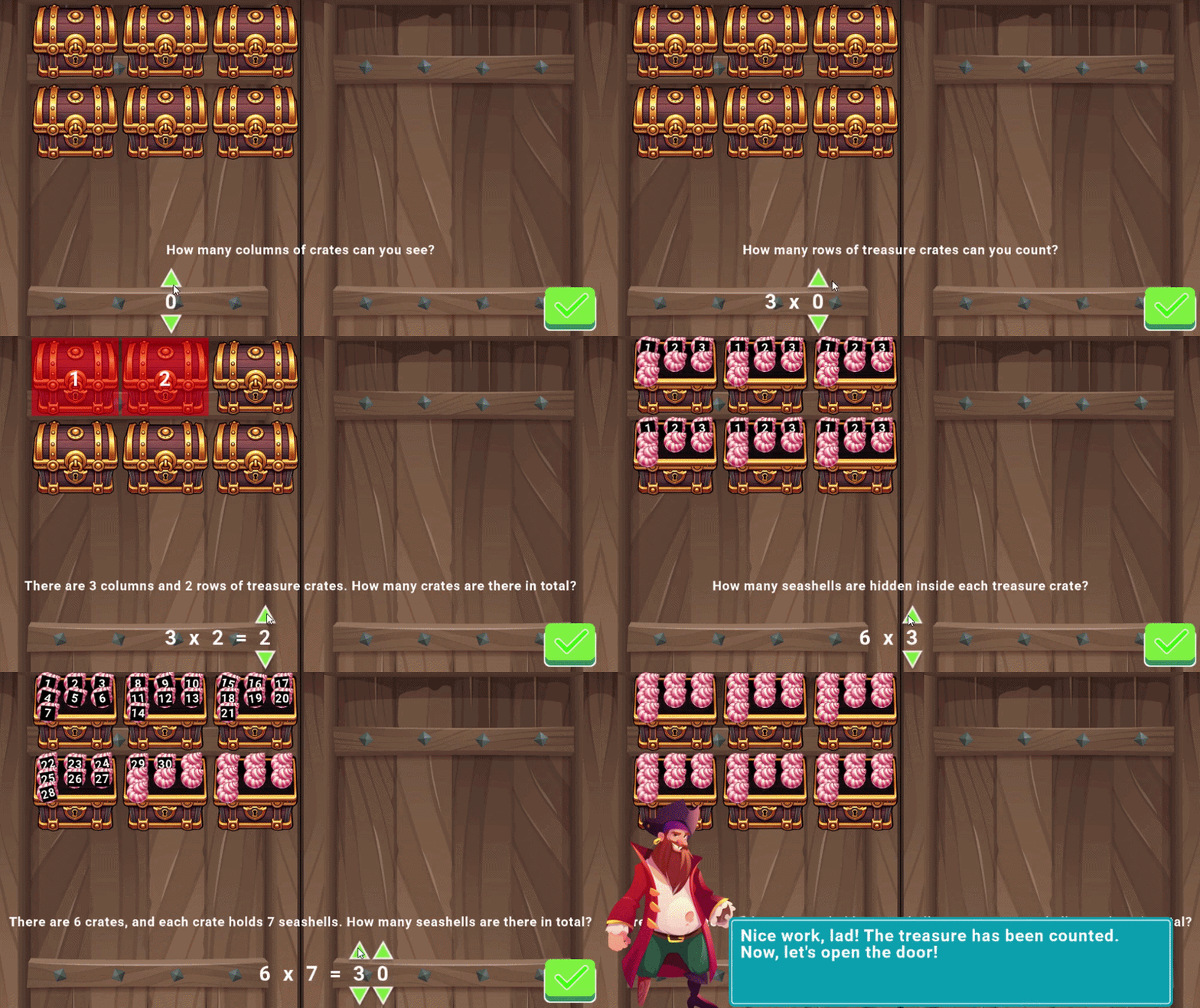
In Divide the Loot and Count It All, students embark on a pirate adventure guided by Captain Jack. Players explore islands, collect treasure, and solve multiplication and division word problems to move forward.
By organizing treasure into arrays and sharing resources among the crew, students strengthen their understanding of multiplication, division, and real-world problem-solving, all within a fun, story-driven experience.
🍬 Cut the Rope: Crunch the Numbers — Elementary Math
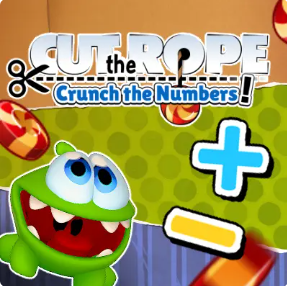
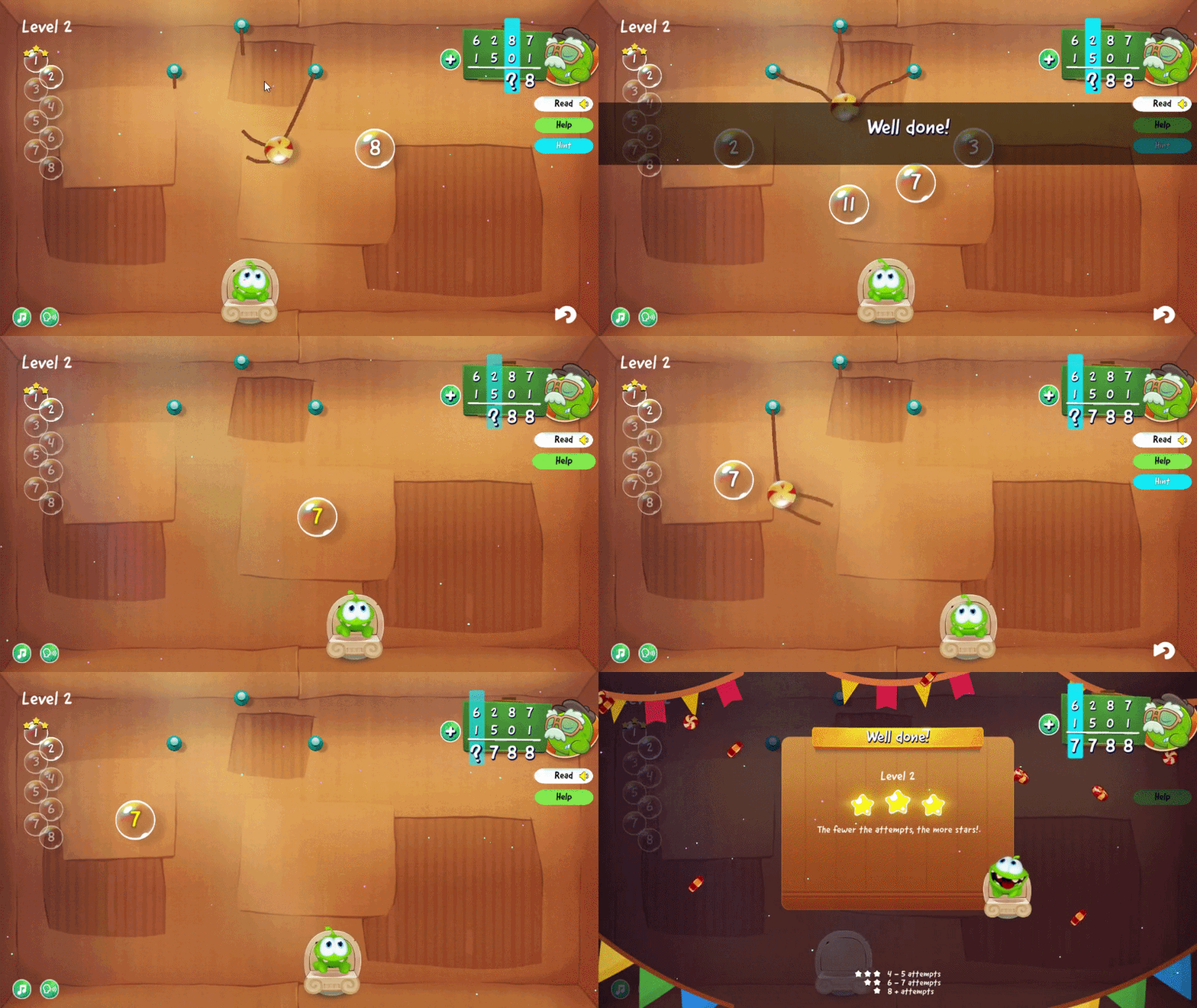
Join Om Nom in this interactive math adventure where students solve addition and subtraction problems step by step. Players cut ropes, collect numbers, and deliver the correct answer using the standard algorithm.
This game reinforces fluency while helping students build confidence in regrouping and structured problem-solving.

🍕 Number Number On The Wall: The Great Divide — Middle Math
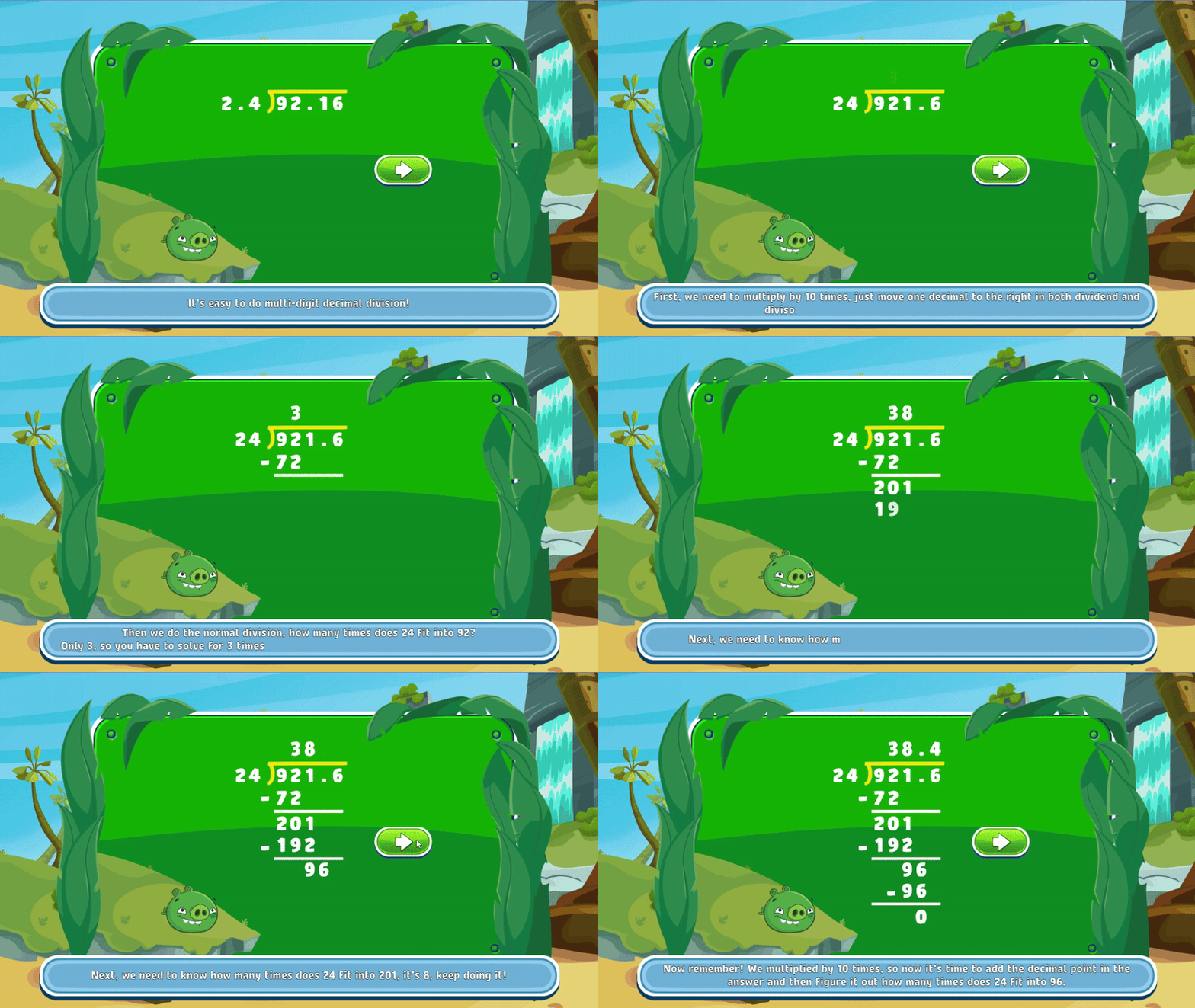
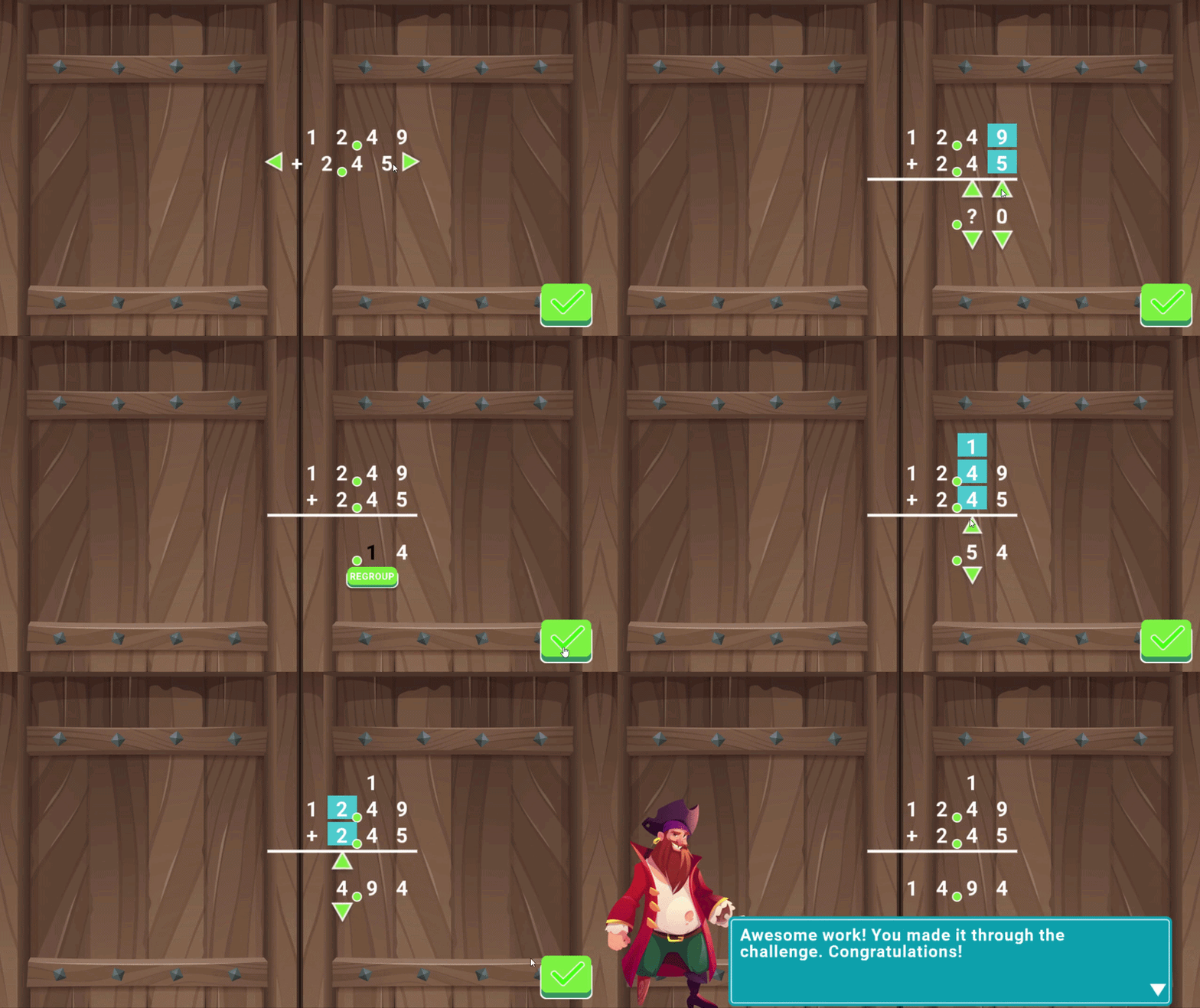
In The Great Divide, students take on decimal challenges while exploring a pirate-themed world. Players solve problems involving addition, subtraction, multiplication, and division of decimals to unlock new areas and rewards.
By practicing step-by-step strategies—like aligning decimals and regrouping—students gain a deeper understanding of decimal operations in a meaningful context.
🌎 EXPLORE LEARNING UNIVERSE GAMES
Bring math to life in your classroom with interactive learning experiences your students will love.
New to Legends of Learning? Sign up today and start exploring!
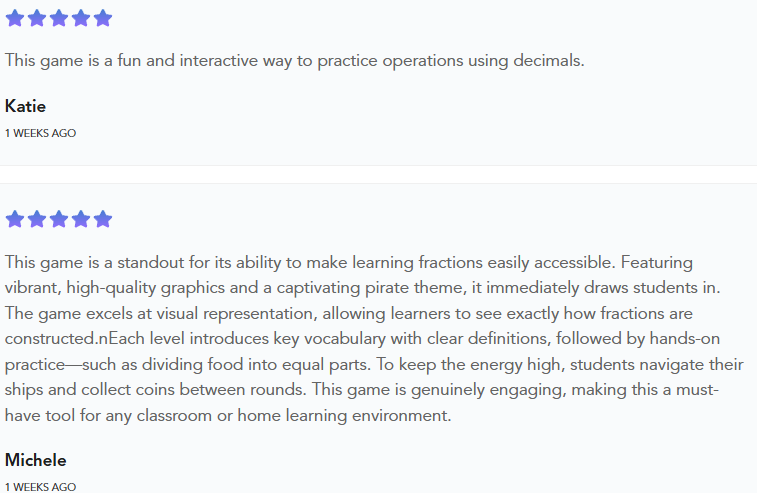
💬 Don’t forget — earn Reward Points by leaving reviews and help other educators discover the best games.
📩 Questions? Contact us anytime at support@legendsoflearning.com