



WestEd study shows playing Legends of Learning educational games at least twice per week significantly improves test scores!
Read StudyOver 2,000, curriculum-aligned, science, history & math games created to engage students, assist teachers & empower districts in class and at home.




 EduEvidence Efficacy Silver
 DIGITAL PROMISE PRODUCT CERTIFICATION
 Academic's Choice Award
 Math Basecamp CODiE Finalist


 ESSA Research Certification

WestEd study shows playing Legends of Learning educational games at least twice per week significantly improves test scores!
Read Study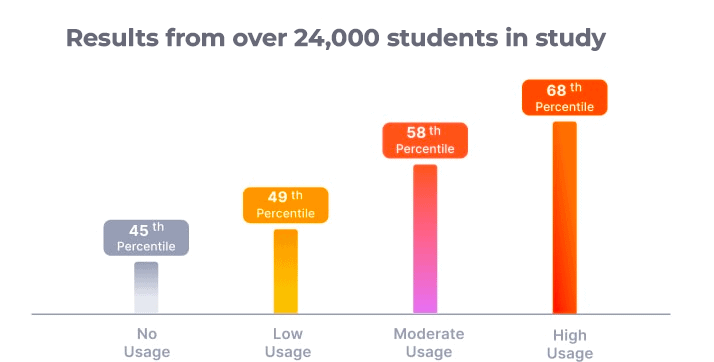

Backed by research, formulated by curriculum experts, and designed by top tier game studios!


















Research backed… Teacher approved.
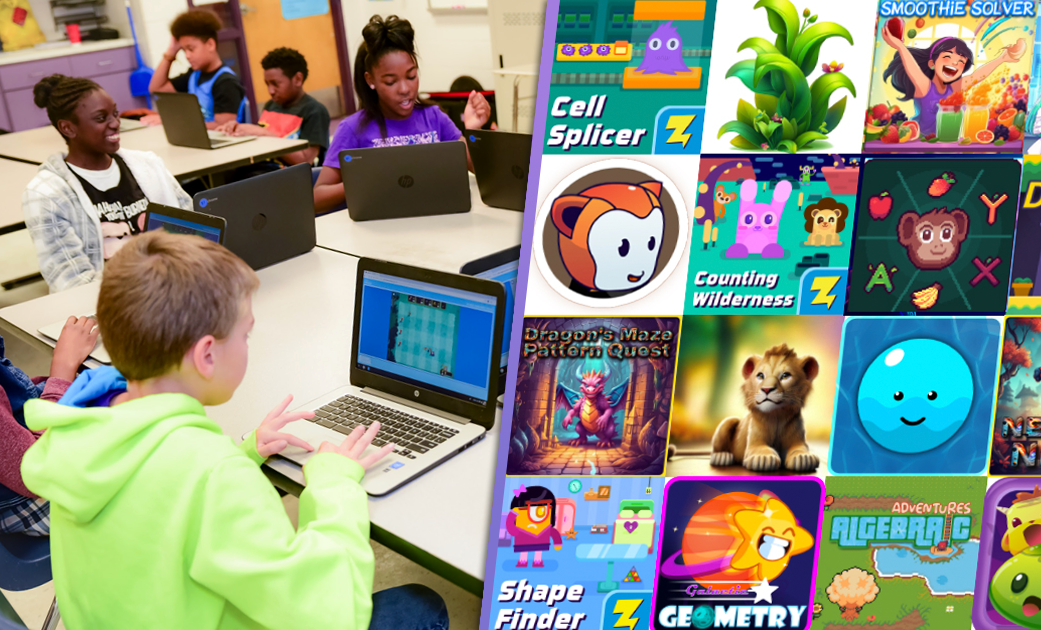
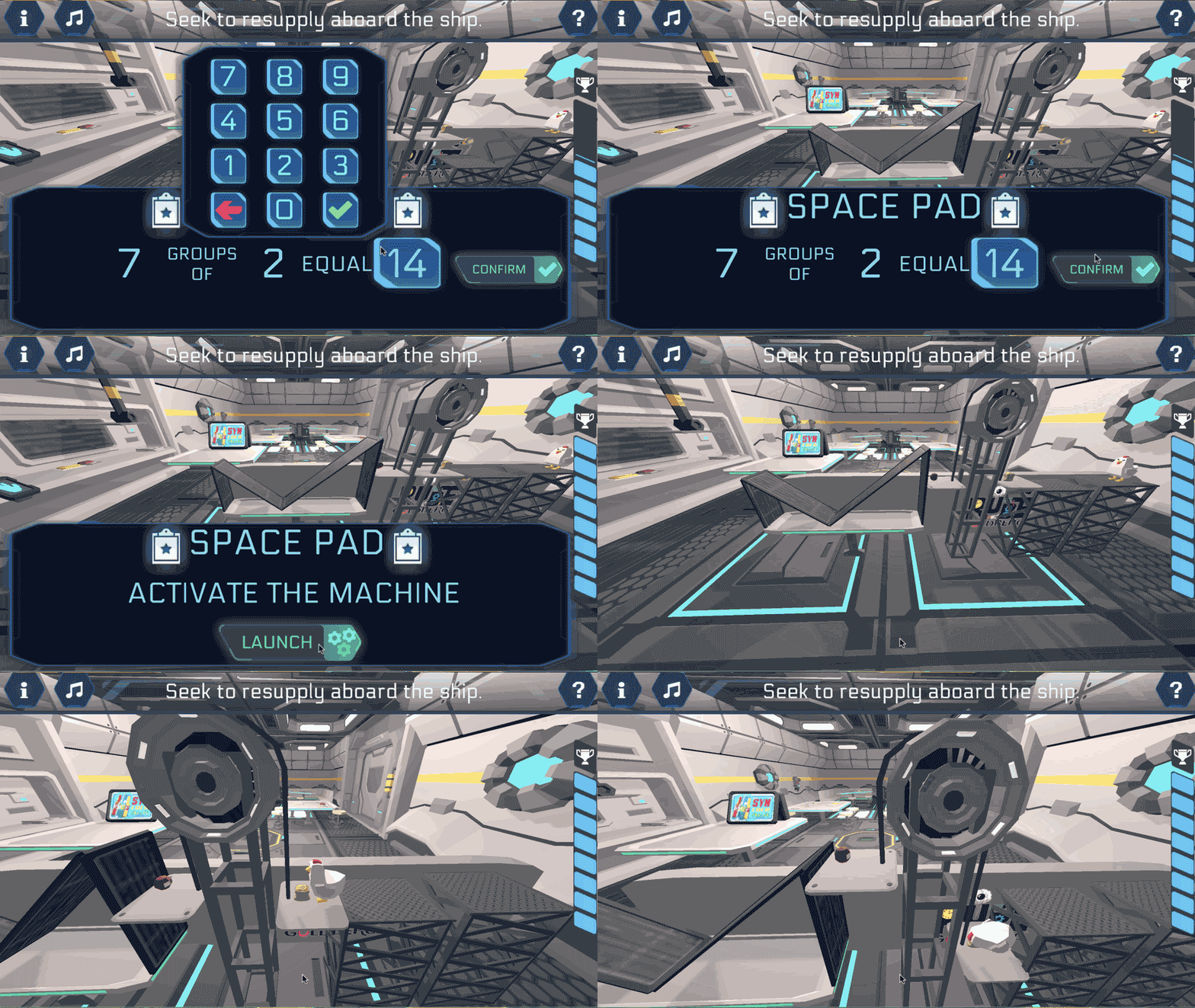
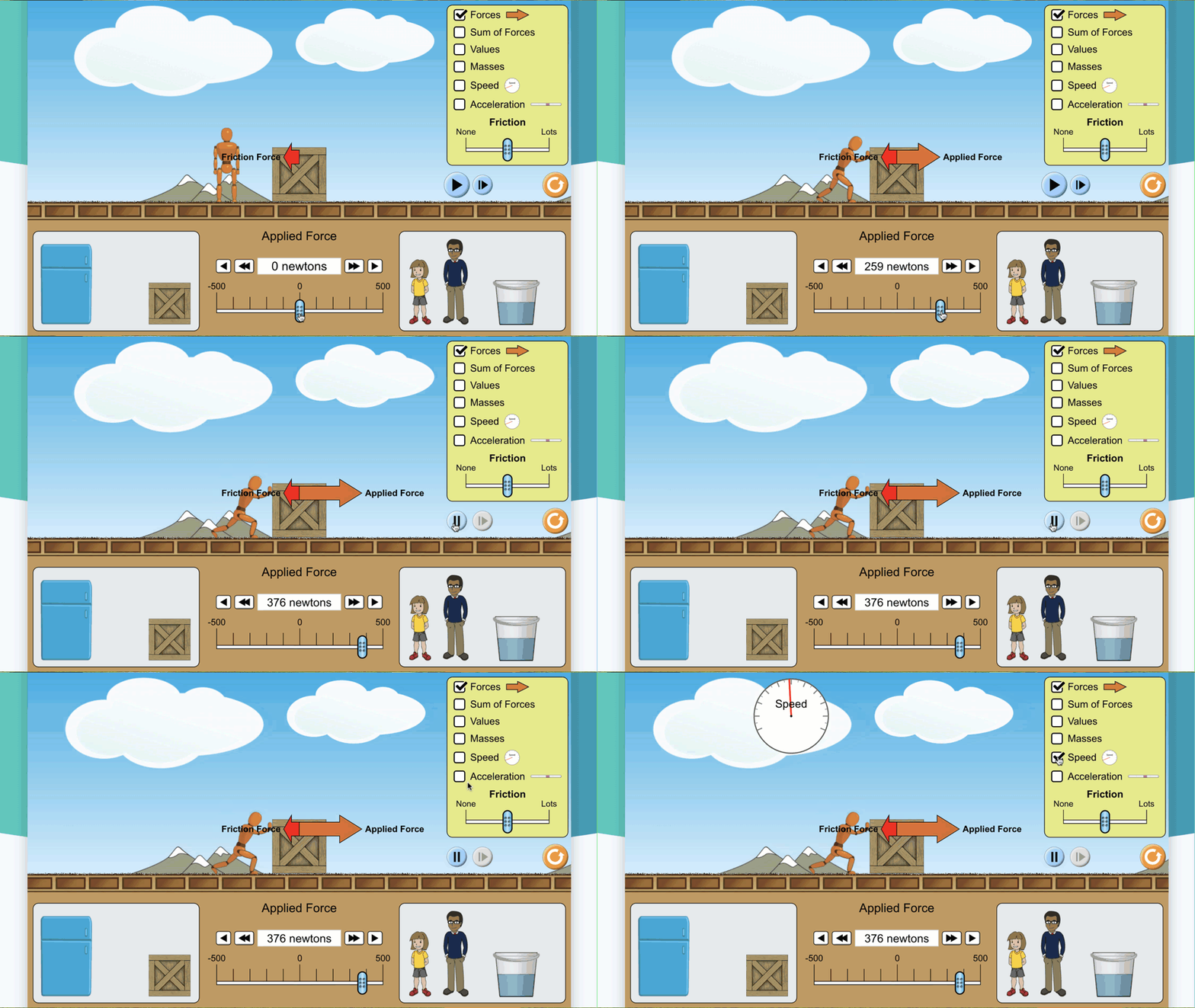
Try it nowTeachers can access over 2000 state curriculum-aligned games for middle and elementary school (grades K-8). The games span almost all the most popular state standards for Math, History and Science. Legends of Learning’s games align standards utilized by states nationwide including but not limited to, Common Core, NGSS standards, NGSSS, FL BEST, GSE, TEKS, SOL, TASS and many more. We also have career training games available.
We suggest signing up for a teacher account, watching our Learning Universe tutorial and then putting together an assignment with a standard-aligned game! There are many options for getting the assignment to your class, whether you use Google Classroom or another LMS, or just want to get a direct link for your students to click to get to the games. Click here to get started!
Basic teacher accounts have access to all our Learning Universe Math, Science, and Career Training games as well as our immersive self-paced Awakening educational experience.
Premium accounts have access to lesson plans and advanced reporting features.
We also have a full Math Fact Mastery solution called Math Basecamp available as an add-on product.
Teachers love that students often don't even realize they are learning and students love the games, avatars, and world. You can see real teacher and student feedback here!
In a recent study by West Ed, students who played Legends of Learning games at least twice per week had higher test scores (up to 23 percentile points, equivalent to 0.6 of a standard deviation on their annual state science test) compared to students who did not use the program.
In the largest study of its kind, Vanderbilt University's “Substantial Integration of Typical Educational Games into Extended Curricula” found students boosted their test scores by the equivalent of over half a letter grade in three weeks when their teachers used Legends of Learning: Learning Universe games in the classroom.
Legends of Learning has also won many academically acclaimed awards for our products including the Codie Award for Learning Universe, Digital Promise research-based design award for Math Basecamp, and Academics Choice Smart Media Award for Awakening (along with many more).
In a recent study by West Ed, students who played Legends of Learning games at least twice per week had higher test scores (up to 23 percentile points, equivalent to 0.6 of a standard deviation on their annual state science test) compared to students who did not use the program.
In the largest study of its kind, Vanderbilt University's “Substantial Integration of Typical Educational Games into Extended Curricula” found students boosted their test scores by the equivalent of over half a letter grade in three weeks when their teachers used Legends of Learning: Learning Universe games in the classroom.
Legends of Learning has also won many academically acclaimed awards for our products including the Codie Award for Learning Universe, Digital Promise research-based design award for Math Basecamp, and Academics Choice Smart Media Award for Awakening (along with many more).
Legends of Learning: Learning Universe and Awakening games align with all popular state standards for Math and Science. These include, but are not limited to, math and science standards, utilized by states across the nation, such as Common Core, NGSS standards, NGSSS, FL BEST, GSE, TEKS, SOL, TASS, and many more.
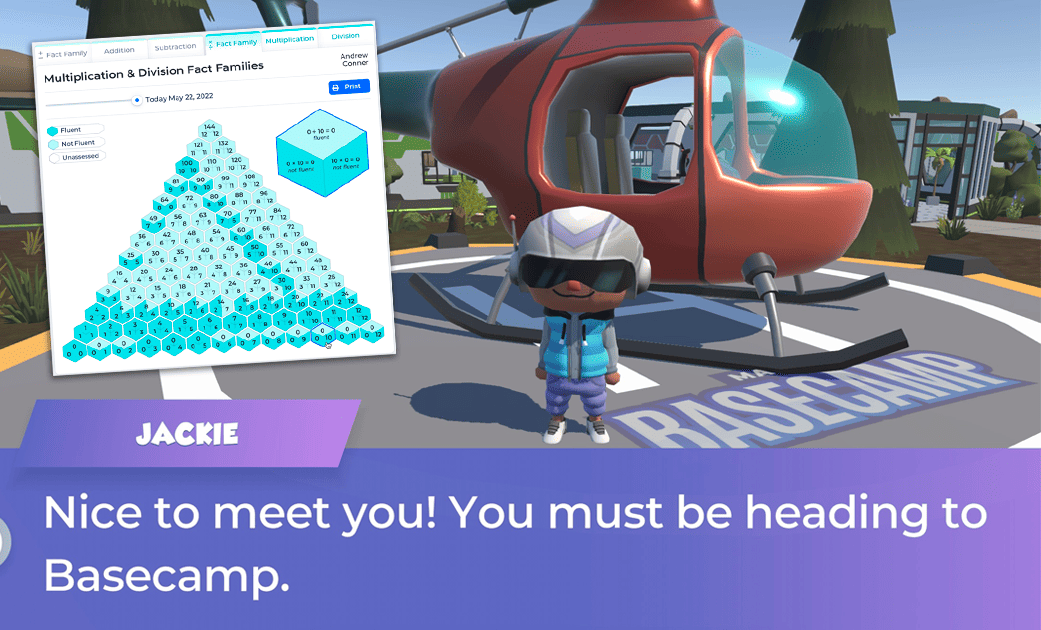
Legends of Learning: Math Basecamp is a complete Math Fact Fluency product for your school and district classrooms.
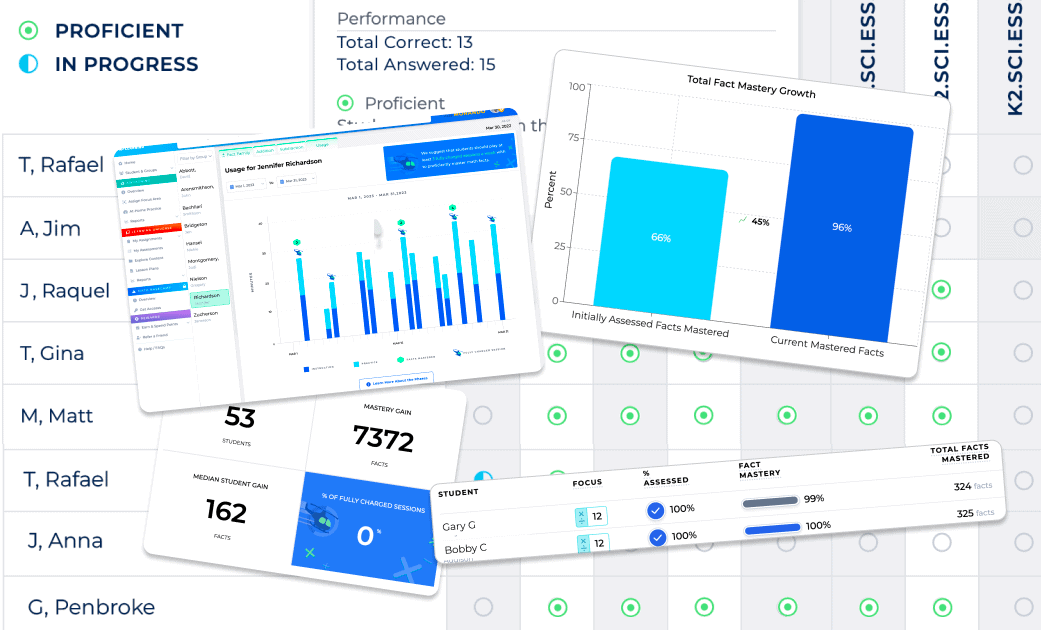
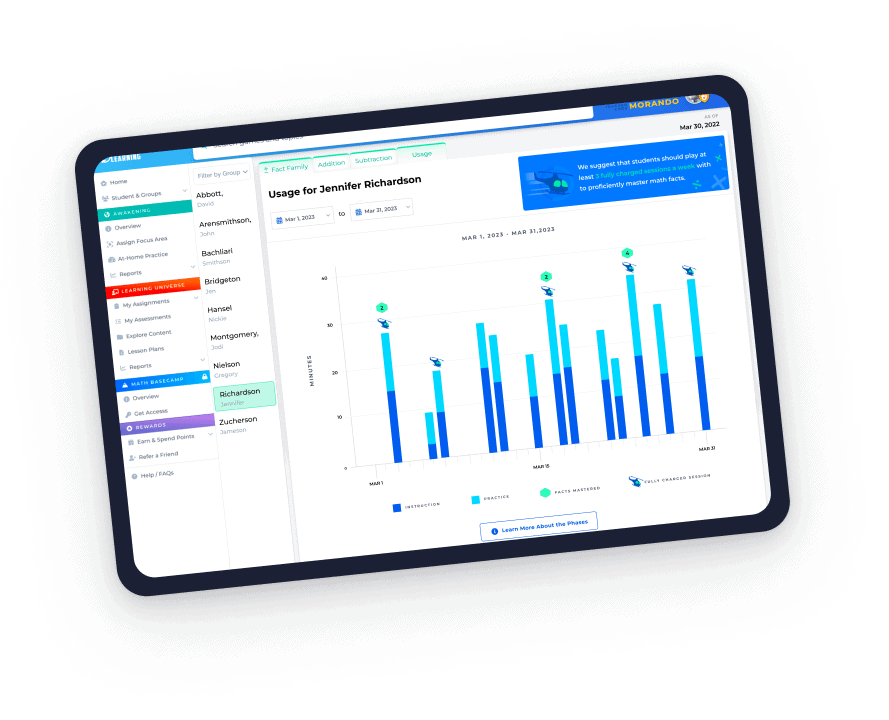
Legends of Learning provides comprehensive reports on student progress and mastery across state standards. The data provided rolls up to the district, school, class, and student levels.
We are committed to protecting the privacy of students and educators while providing schools, teachers, and children with an engaging learning atmosphere where students learn through playing curriculum-aligned games. We are fully COPPA and FERPA compliant along with many other privacy certifications.
If your district requires a signed data privacy agreement, we are happy to oblige. Please email contact@legendsoflearning.com and we will take care of it!
We recommend booking a demo of our product to get all the details but preliminary pricing can be found here.
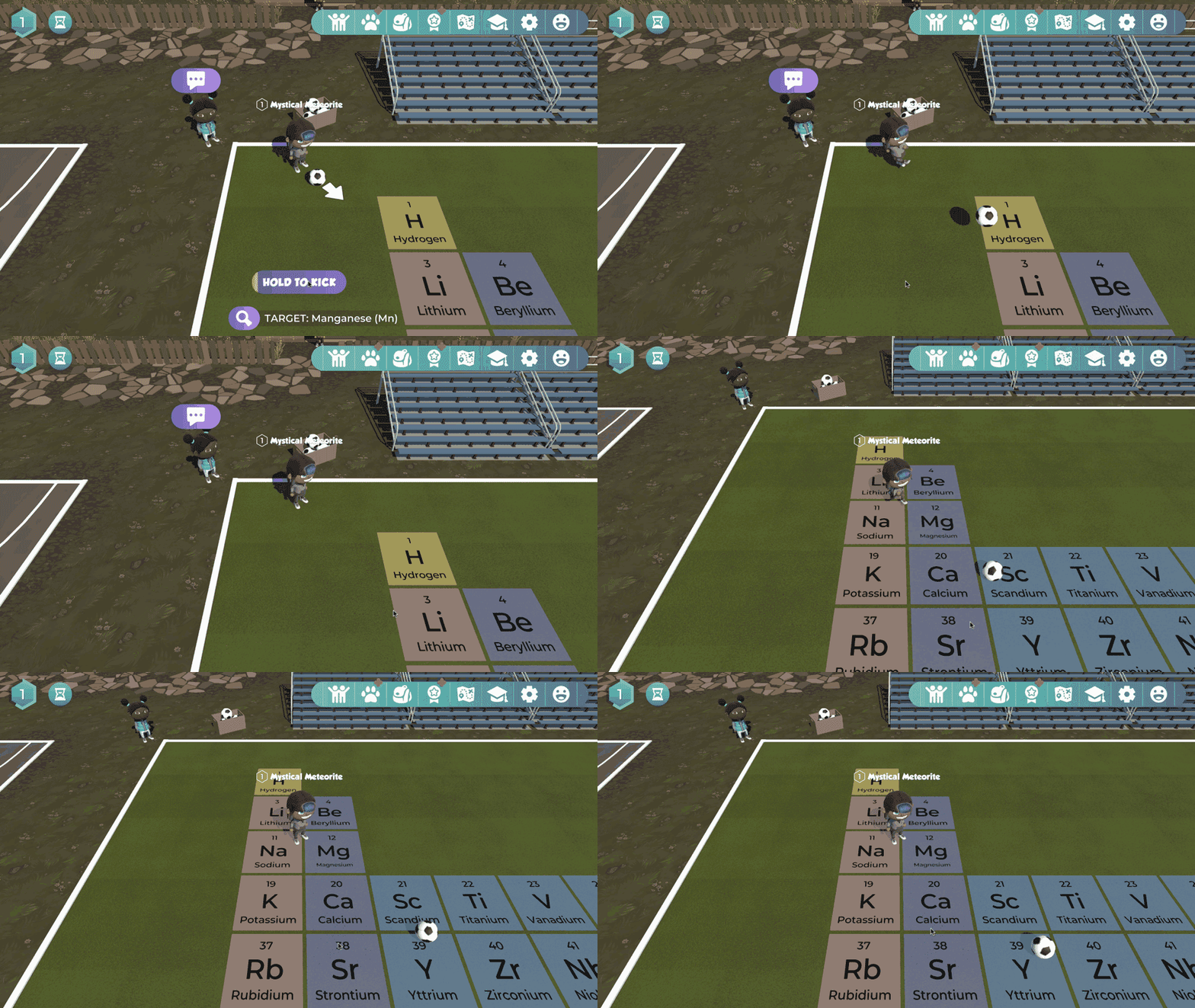
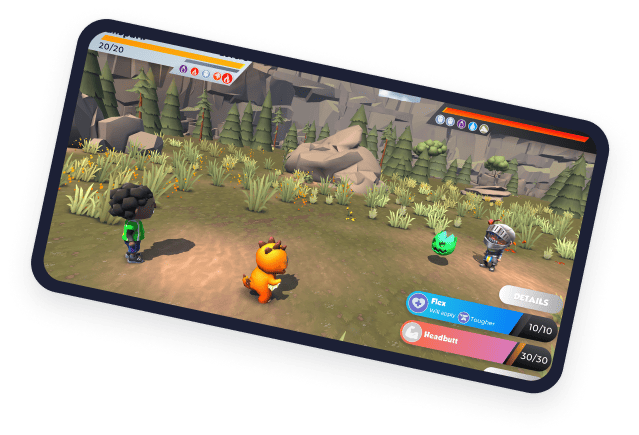
Awakening is hands-down the most fun your child will have, interacting with math and science. Awakening provides a safe world of learning for students in grades Kindergarted through 9th grade. There are a wide variety of games and activities aligned with grade-level state standards your child is learning at school.
Awakening uses a variety of features to make learning fun and engaging, including:
Avatars: Students can create their own avatars and customize them with different clothes, hair, and accessories.
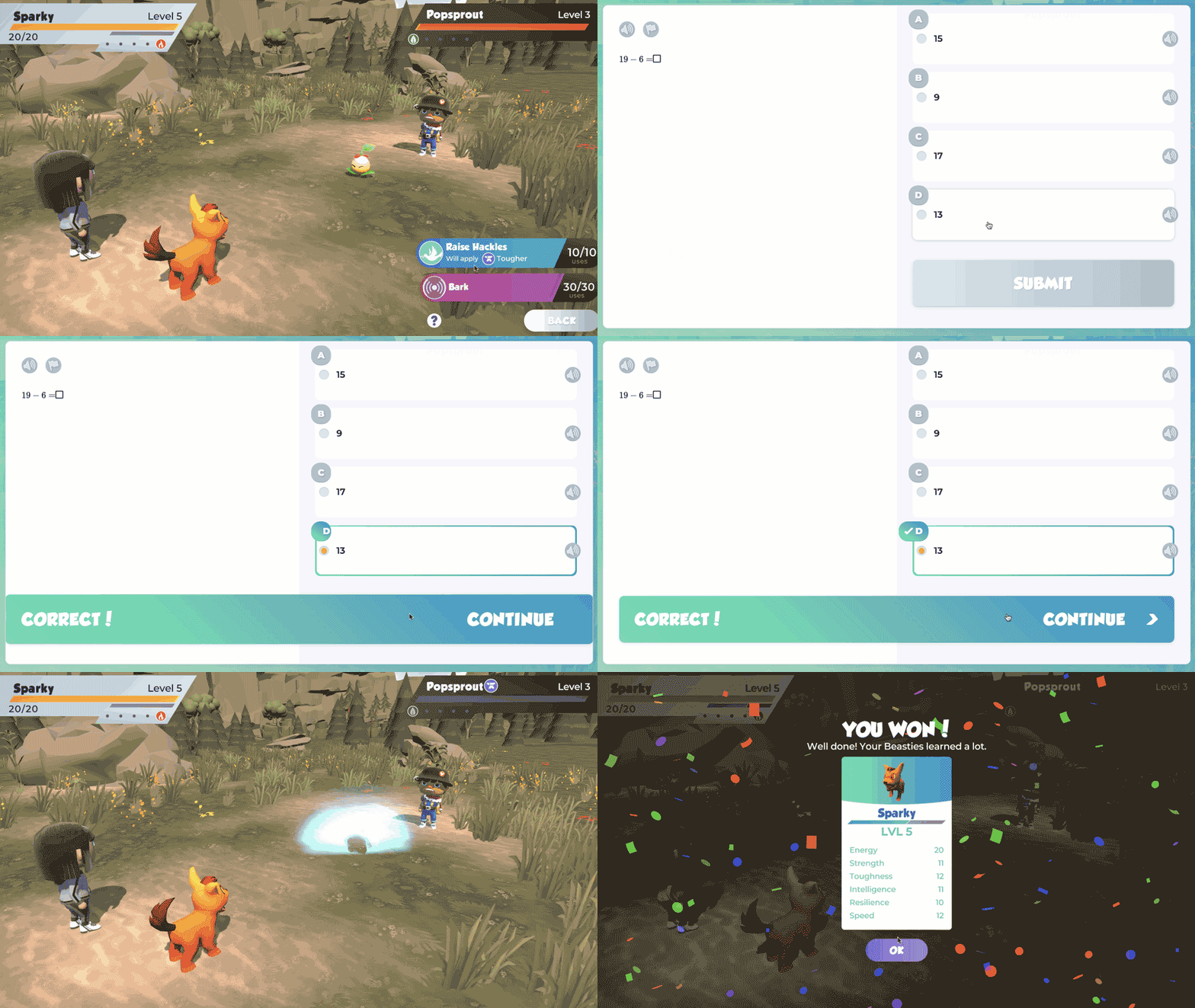
Battles: Students can battle against other students or computer-controlled opponents to earn points and rewards.
Quests: Students can complete quests to earn even more points and rewards.
Arcade Room: Students can play mini-games to brush up on their knowledge before entering into battles.
In a recent study by West Ed, students who played the games contained within Awakening at least twice per week had higher test scores (up to 23 percentile points, equivalent to 0.6 of a standard deviation on their annual state science test) compared to students who did not use the program. This means higher letter grades than students who did not play these games!
A great way to support your child's learning with Awakening is to help the set goals. Challenge your child to set goals in the short term (ex: “I'll complete 10 beastie battles this week and play 3 math or science games in the Arcade”) and long term (ex: “I'll master 5 standards”). You can then celebrate these achievements with your child. To celebrate, you can log into the Legends of Learning Parent Portal (https://parent.legendsoflearning.com) to see your child's mastery progress in Awakening, on their Teacher's assignments, or in our Math Basecamp.
Based on research, your child will get the maximum educational benefit if they are playing 2 - 3 times a week for 25-30 minutes minimum.
Adventure pass is an optional add-on that gives your child access to exclusive areas in Awakening, allows them to fully level up, gains access to special Avatar items. Adventure pass holders spend 9X as much time engaged in learning!