Discover December’s Cool New Science Games

Hi Legends! As we head into the Thanksgiving season, we’re grateful for the amazing teachers who bring learning to life every day. This November, we’re excited to introduce brand-new Science games to help your students stay engaged, curious, and confident. These interactive adventures are perfect for reinforcing key concepts before the holiday break!

📚 If you missed last month’s update, you can revisit October’s new games here.

đŸ§Ș New Science Adventures Await

Bring fresh energy to your lessons with interactive missions that help students explore Food Webs and Potential Energy through hands-on problem-solving, creative challenges, and engaging gameplay!

🍂 Teacher Tip: Make These Topics Stick! Use these games as a warm-up before Thanksgiving break, small-group stations, or quick concept refreshers. Elico: Food Webs works great as part of an ecosystems mini-lesson, while Draw Basketball is perfect for reinforcing energy transformation with a real-world twist students instantly connect to.

Grades 3–5

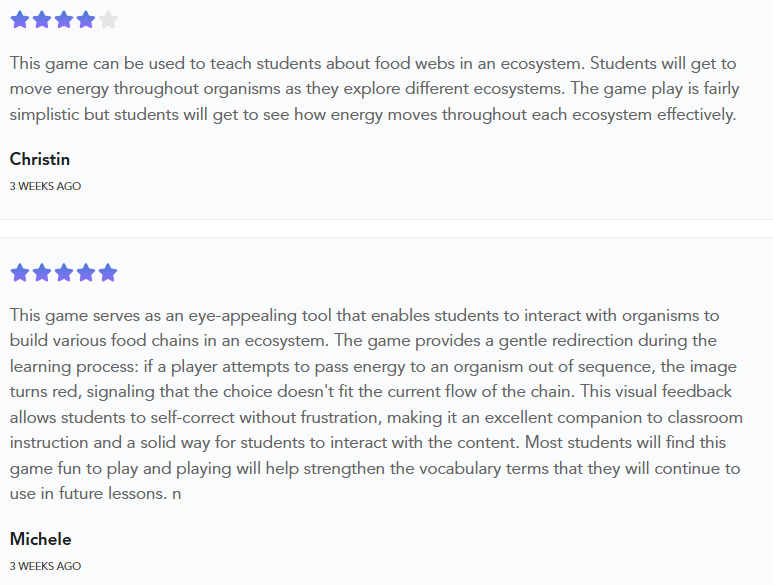
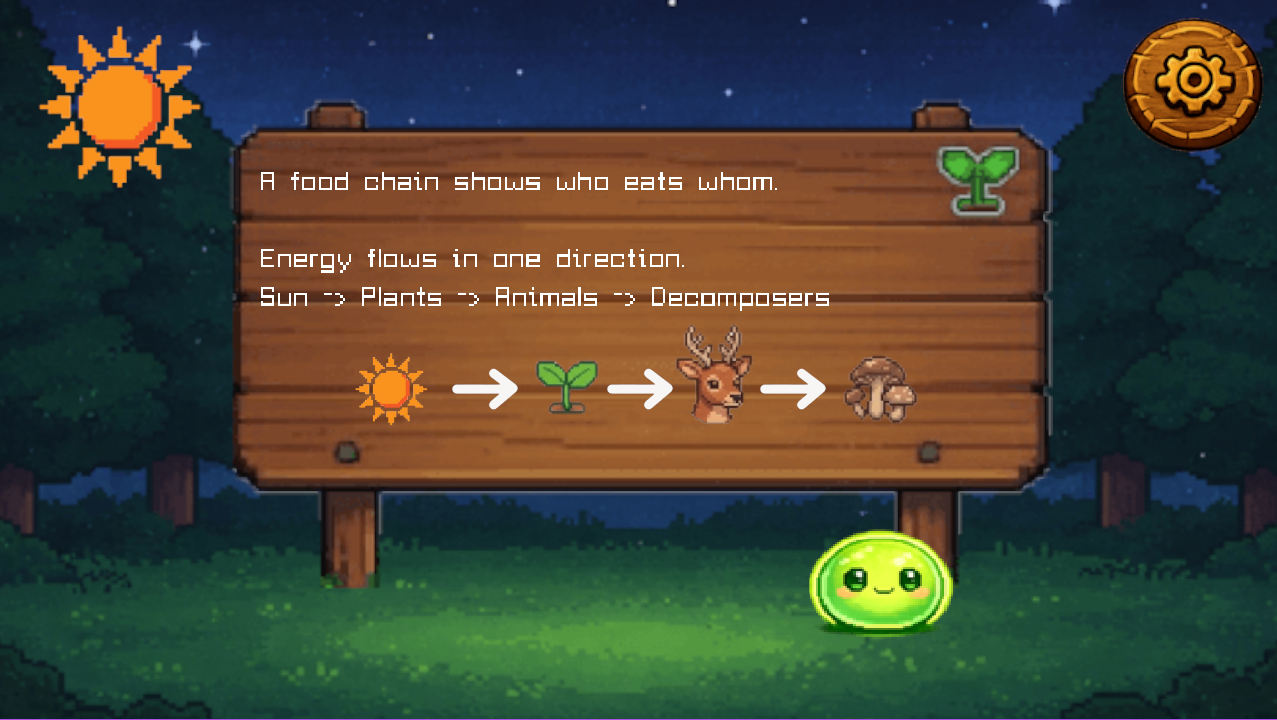
  • Elico: Food Webs. Explore how energy flows through ecosystems! Grow plants, feed animals, recycle with decomposers, and watch how Food Webs connect life on land and underwater.

Grades 6–8

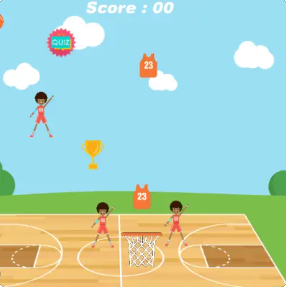
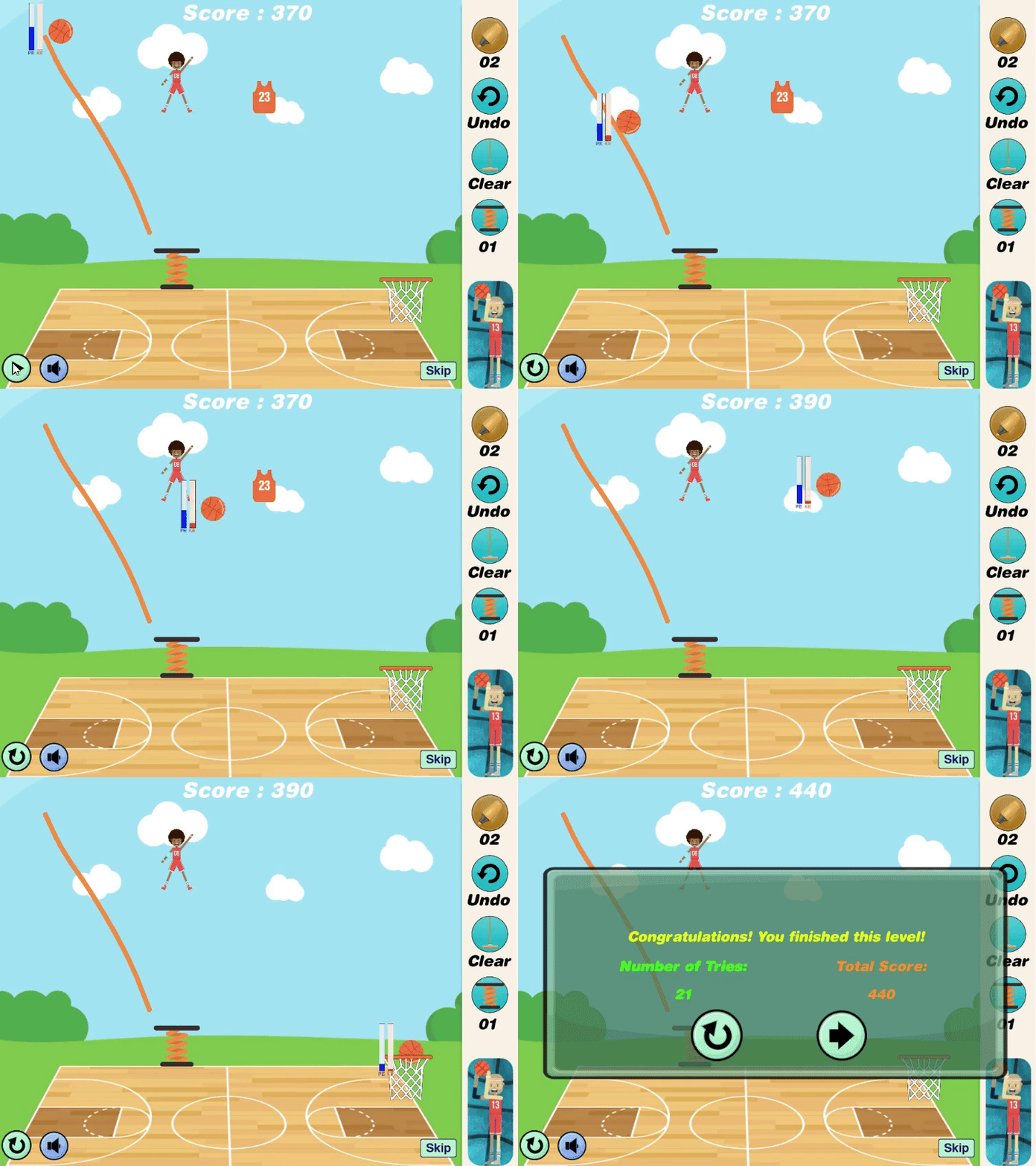
  • Draw Basketball: Solve physics puzzles by drawing ramps, paths, and spring-powered setups to guide basketballs to the hoop while learning how Potential Energy transforms into motion.

đŸŒ± Elico: Food Webs — Elementary Science

elico-1

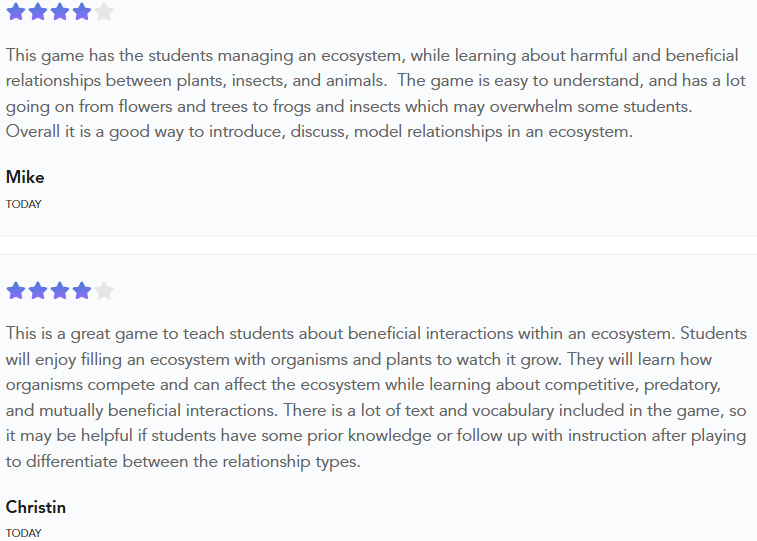
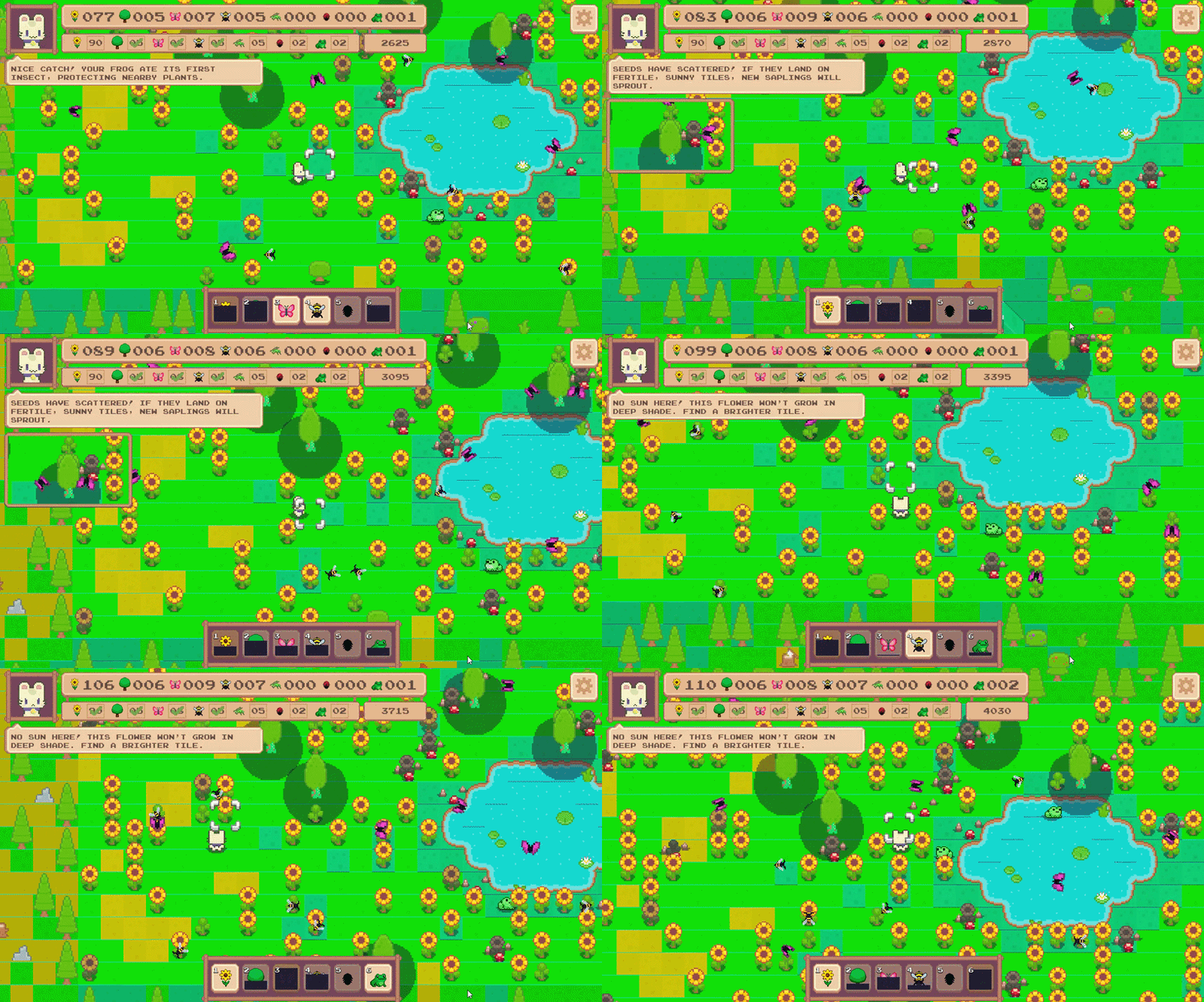
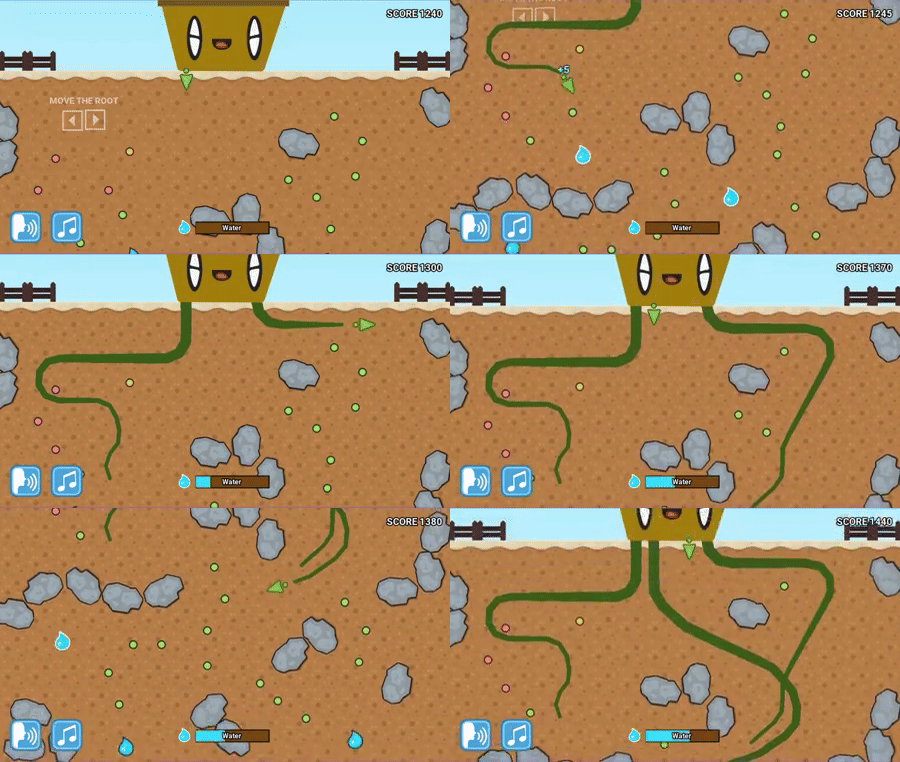
Join Elico, the curious flying robot, on a journey through the Food Web! Students discover how the sun fuels producers, how consumers gain energy, and how decomposers recycle nutrients. Explore how organisms interact across land and sea ecosystems while completing fun, interactive challenges that build real science understanding.

elico-3
elico-2

🏀 Draw Basketball — Middle School Science

Challenge your physics skills by drawing lines and using springs to guide a ball into the basket! Each level starts with potential energy stored at a height—hit play, and watch it convert to kinetic energy. Students experiment with motion, obstacles, quizzes, and collectibles while progressing through 16 increasingly strategic levels that blend physics concepts with fun gameplay.

basket-1
basket-2
basket-3

🌎 Explore Learning Universe Games

More exciting game updates are on the way—stay tuned!


🧠 New to Legends of Learning?

Sign up now and bring science to life with interactive games your students will love.


⭐ Teacher Reminder

Don’t forget: You can earn Rewards Points by leaving teacher reviews! Your feedback helps other educators and guides future game development.


đŸ“© Have Questions?

Reach out anytime at support@legendsoflearning.com
From Spooky to Stellar: Explore Exciting New Science Games for Your Classroom

Hi Legends! 👋 As the leaves fall and a new season of learning begins, we’re thrilled to share the latest Science games lighting up our Learning Universe! Whether you’re wrapping up your fall units or getting ready for winter topics, these new adventures are here to keep your students engaged, curious, and building science mastery.

📚 If you missed last month’s featured games, don’t worry—you can still check out the September update to catch up on all the fun and discovery.

đŸ§Ș New Science Adventures Await

Bring fresh excitement to your classroom with interactive missions designed to make key science concepts click through play!

💡 Teacher Tip: These games are perfect for keeping students engaged through fall—use them for review days, science stations, or early finisher activities. They’re a fun way to reinforce key concepts and bring science to life through play.

Grades 3–5

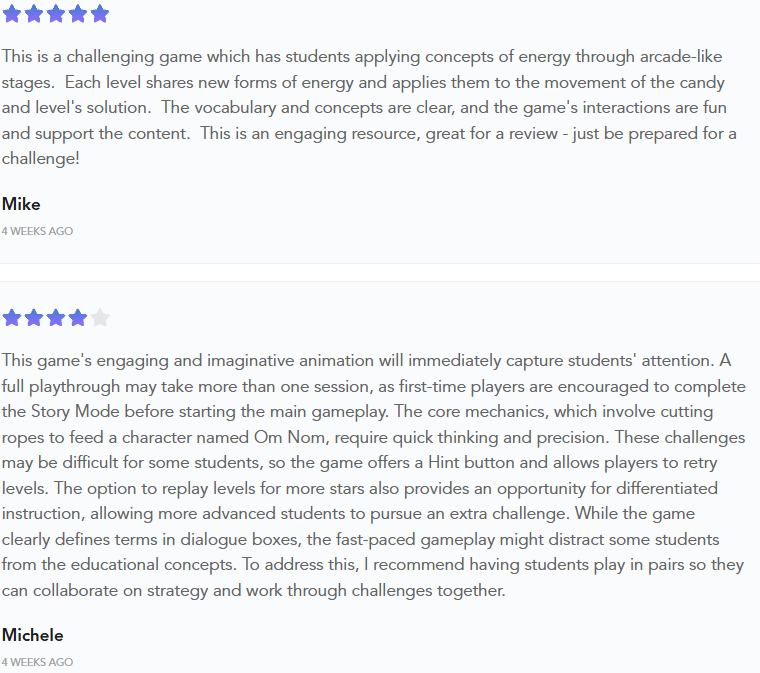
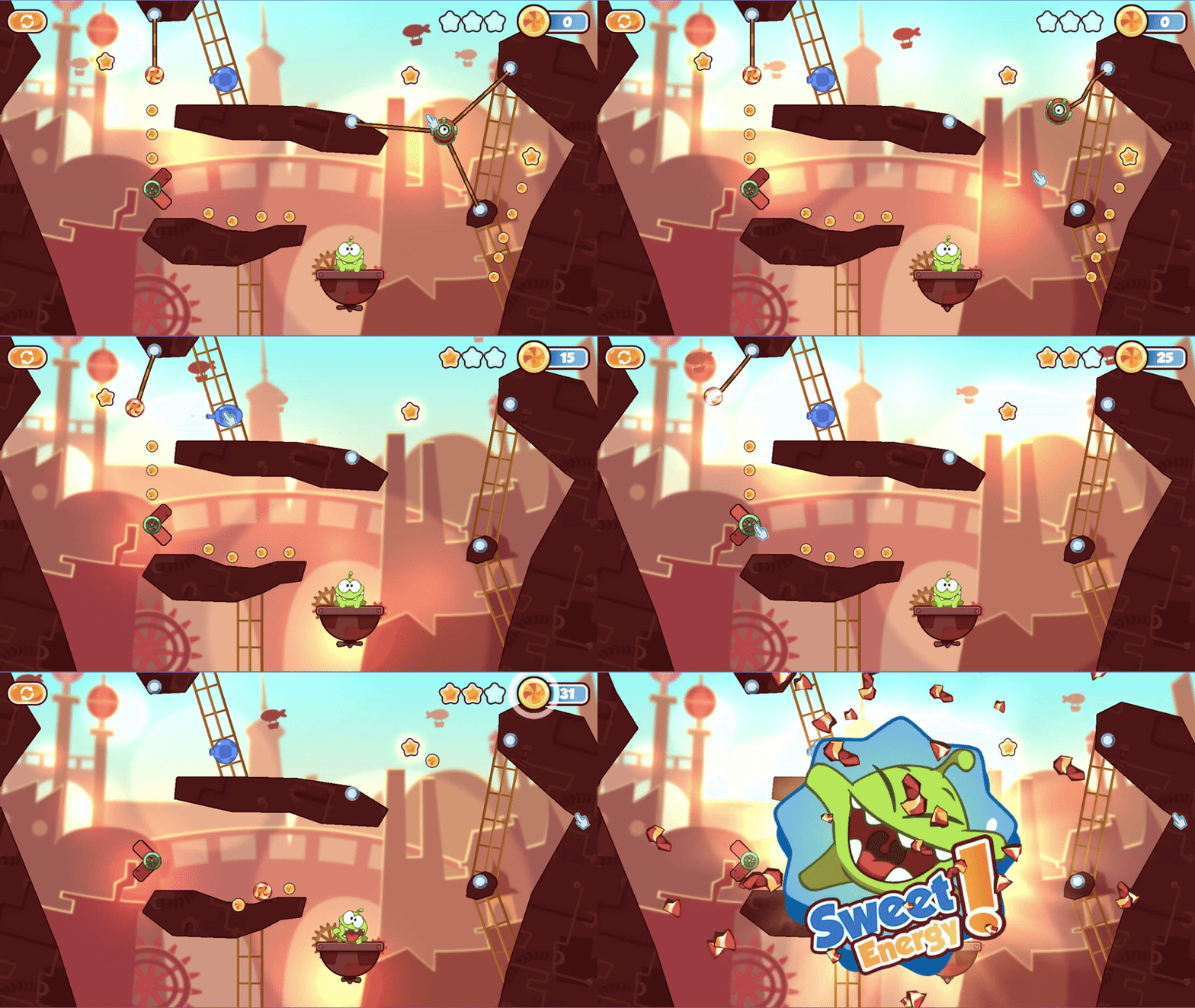
  • Om Nom’s Picture Collection: Discover how motion, sound, electricity, and light transfer energy as you solve puzzles and help Om Nom complete his colorful picture gallery.

Grades 6–8

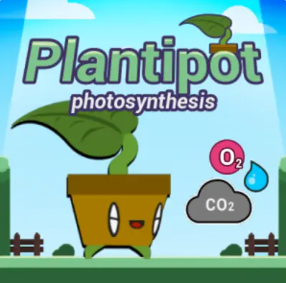
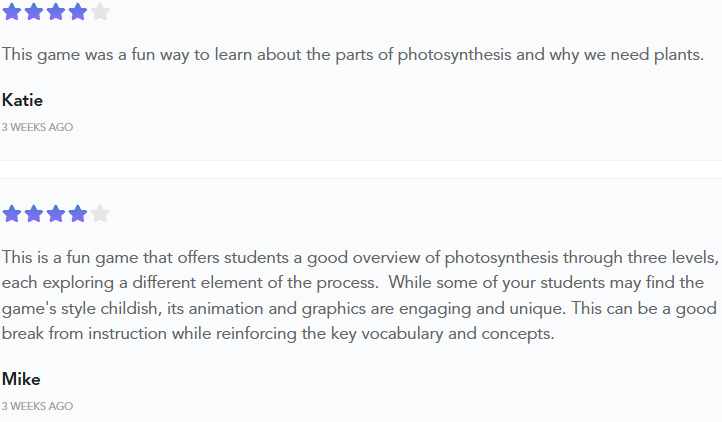
  • Plantipot Photosynthesis: Join Plantipot and Elico to collect sunlight, water, and carbon dioxide, learning how photosynthesis fuels life on Earth.
  • Thermonaut: Team up with Commander Sarah and Cat Astro to measure temperature and explore how particles move through solids, liquids, and gases.
  • Smoothie Planet: Mix and experiment with cosmic ingredients to explore chemical reactions and the clues that reveal when they occur.
  • DNA Rush: Repair DNA and explore helpful and harmful gene mutations in this fast-paced genetics adventure.

🍬 Om Nom’s Picture Collection — Elementary Science

Join Om Nom, the candy-loving creature, on a quest to complete his colorful picture gallery! đŸ–Œïž As students swing candies, build circuits, and solve puzzles, they’ll explore how energy moves through motion, sound, and light—all in a fun, physics-based adventure that blends learning with laughter.

om-nom-picture-collection-4
om-nom-picture-collection-3

đŸŒ± Plantipot Photosynthesis — Middle Science

Follow Plantipot and Elico on a journey deep into the world of plants! 🌿 Collect sunlight, water, and carbon dioxide, then zoom into the chloroplast to witness photosynthesis in action. This cheerful, story-driven game helps students visualize one of life’s most essential processes.

Plantipot-Photosynthesis-3
Plantipot-Photosynthesis-2
Plantipot-Photosynthesis-4

👹‍🚀 Thermonaut — Middle Science

thermonaut-1

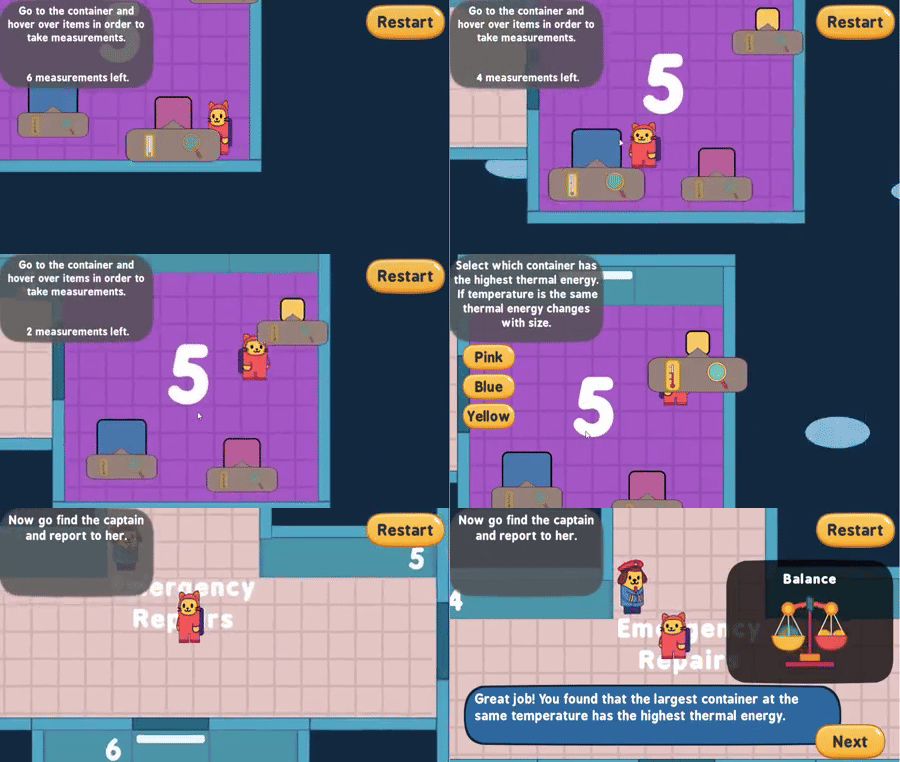
Blast off with Cat Astro and Commander Sarah on a mission to explore temperature and total energy! 🚀 As students analyze particles in solids, liquids, and gases, they’ll strengthen their understanding of heat transfer through hands-on investigation and space-themed fun.

thermonaut-2
thermonaut-3

🌎 Keep Exploring the Learning Universe

More exciting science adventures are coming soon, so keep an eye out for our next update!


🧠 New to Legends of Learning?

Sign up today and dive into hundreds of standards-aligned science games that make learning fun, interactive, and unforgettable.


⭐ Teacher Reminder

Don’t forget to leave reviews! Every review earns you Rewards Points and helps us create more of the games you and your students love.


đŸ“© Have Questions?

Reach out anytime at support@legendsoflearning.com
Explore New Science Games to Spark Curiosity

Hi Legends! Welcome back to another exciting update from our Learning Universe! This month, we’re thrilled to introduce you to the latest additions to our ever-expanding library of classroom science games, designed to both engage students and enhance their understanding of key concepts.

If you missed last month’s new releases, you can check out August’s science update here.

📚 Missed last month’s update? Check out August’s Science Games here.

đŸ§Ș New Science Games For This Month

This month’s games transform abstract middle school topics—like gravity, energy, waves, and electromagnetism—into immersive, standards-aligned adventures. Whether you’re introducing new units or reinforcing prior learning, these titles offer a vibrant way for students to explore complex concepts.

💡 Teacher Tip: Use these games during lab stations, review blocks, or as early finisher activities. They’re especially effective for visual and kinesthetic learners easing into the rhythm of a new school year.

Grades 3–5

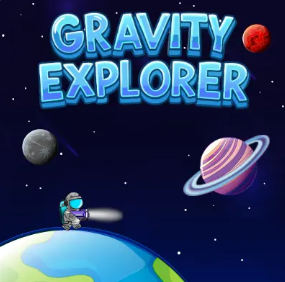
  • Gravity Explorer: Blast off into space missions while solving puzzles about gravitational force.

Grades 6–8

  • Magnee’s Adventure: Navigate electric and magnetic forces, tackle puzzles, and build engines to help Magnee make his way home.

🌌 Gravity Explorer — Elementary Science

gravity-explorer

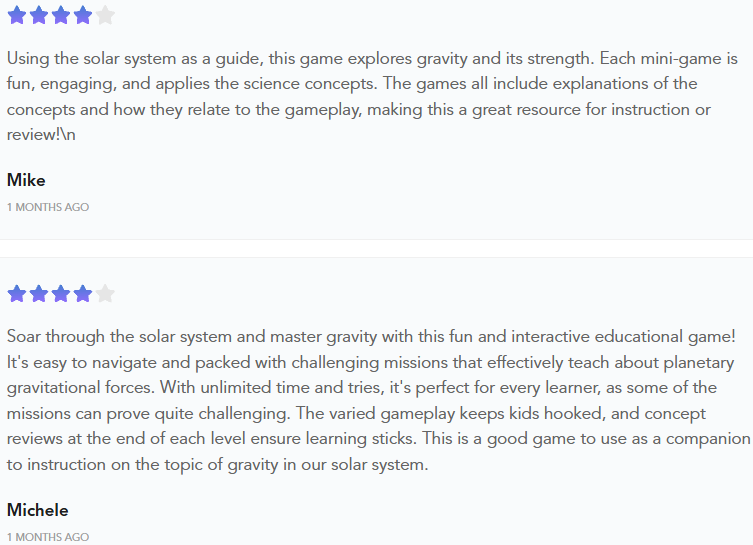
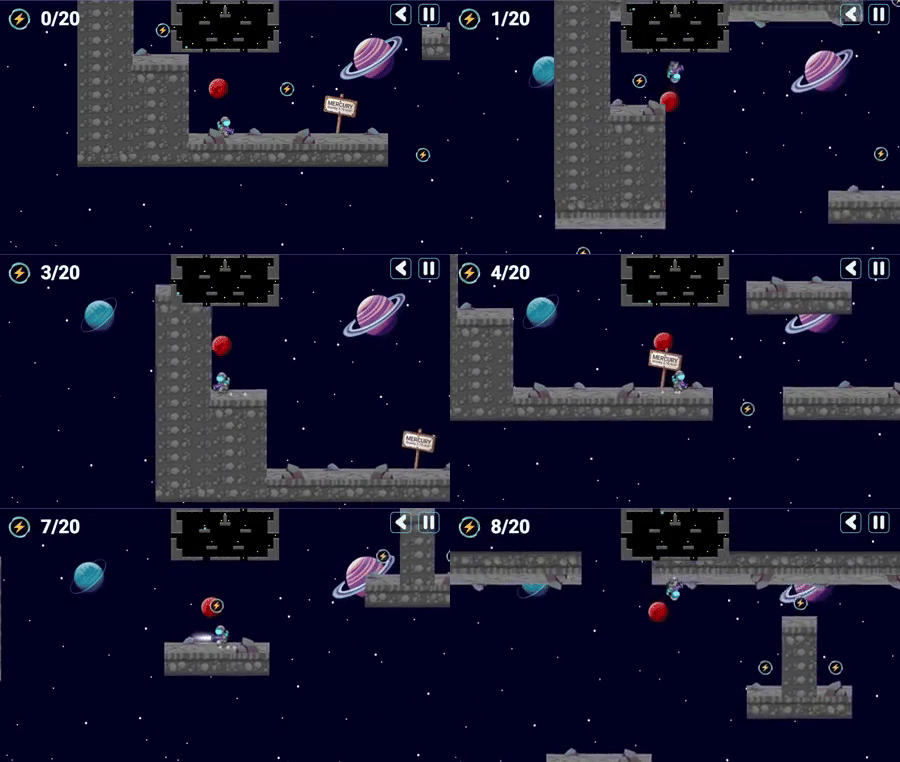
This captivating game propels young astronauts into space on thrilling missions! 🚀 By solving puzzles with gravitational force, students explore how planets and motion work together—making big physics concepts fun, interactive, and easy to understand.

gravity-explorer
gravity-explorer-2

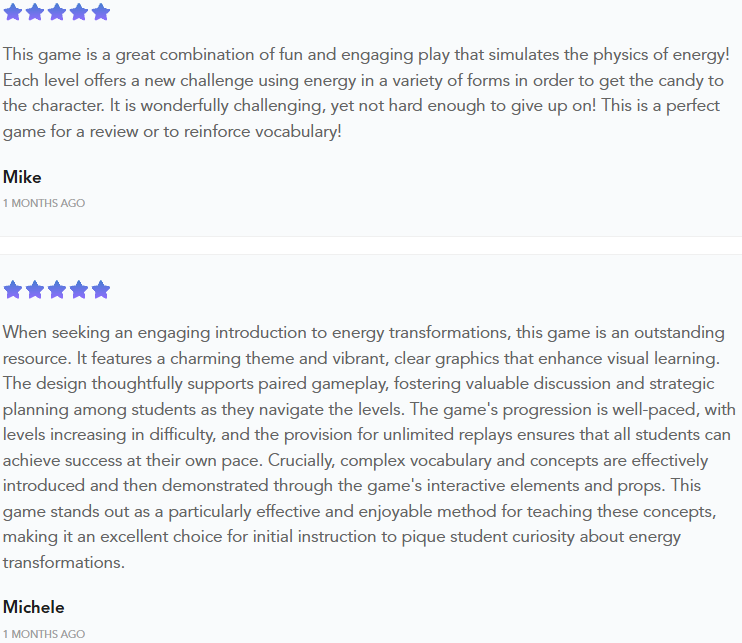
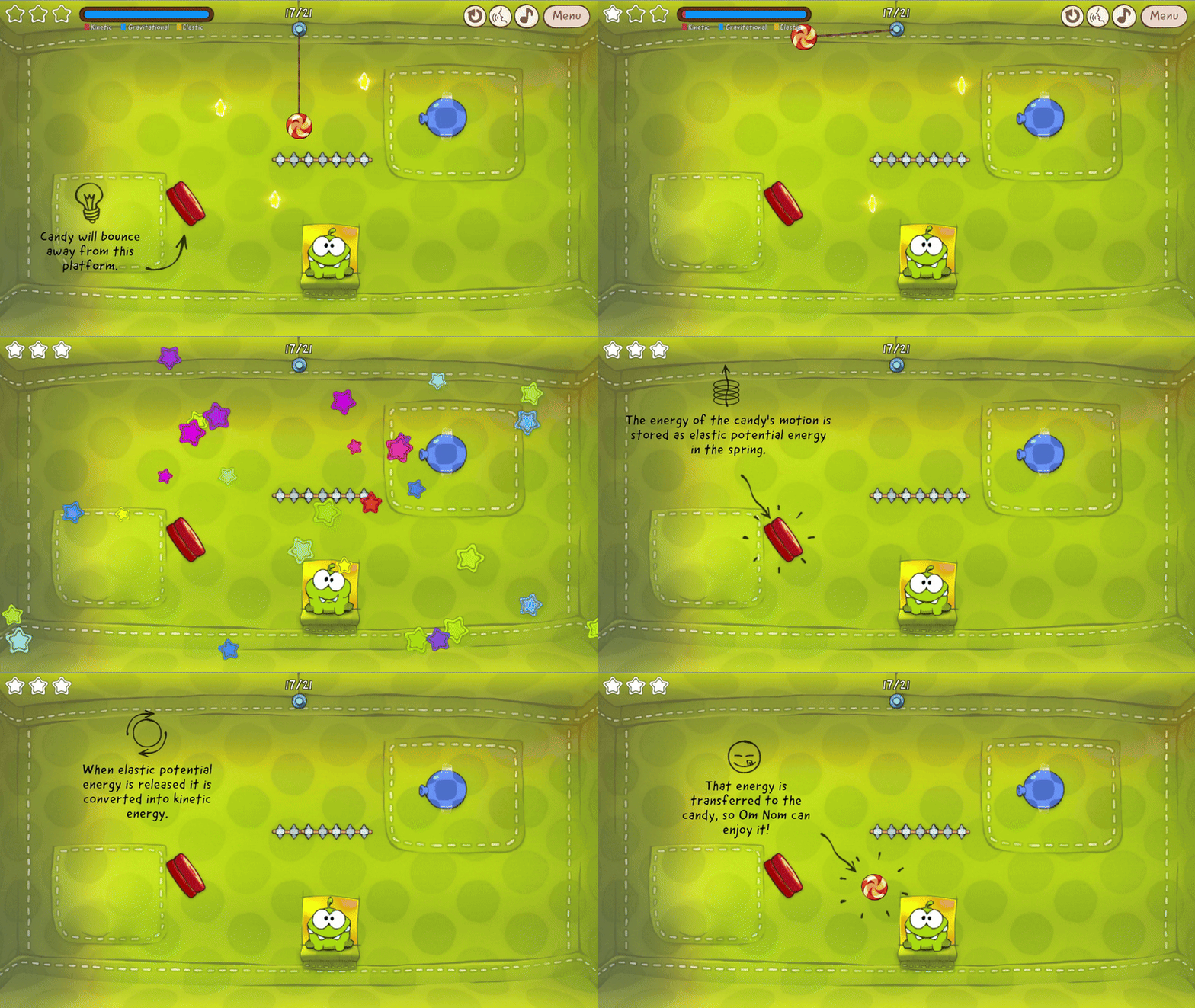
🍬 Cut The Rope – Energy — Middle Science

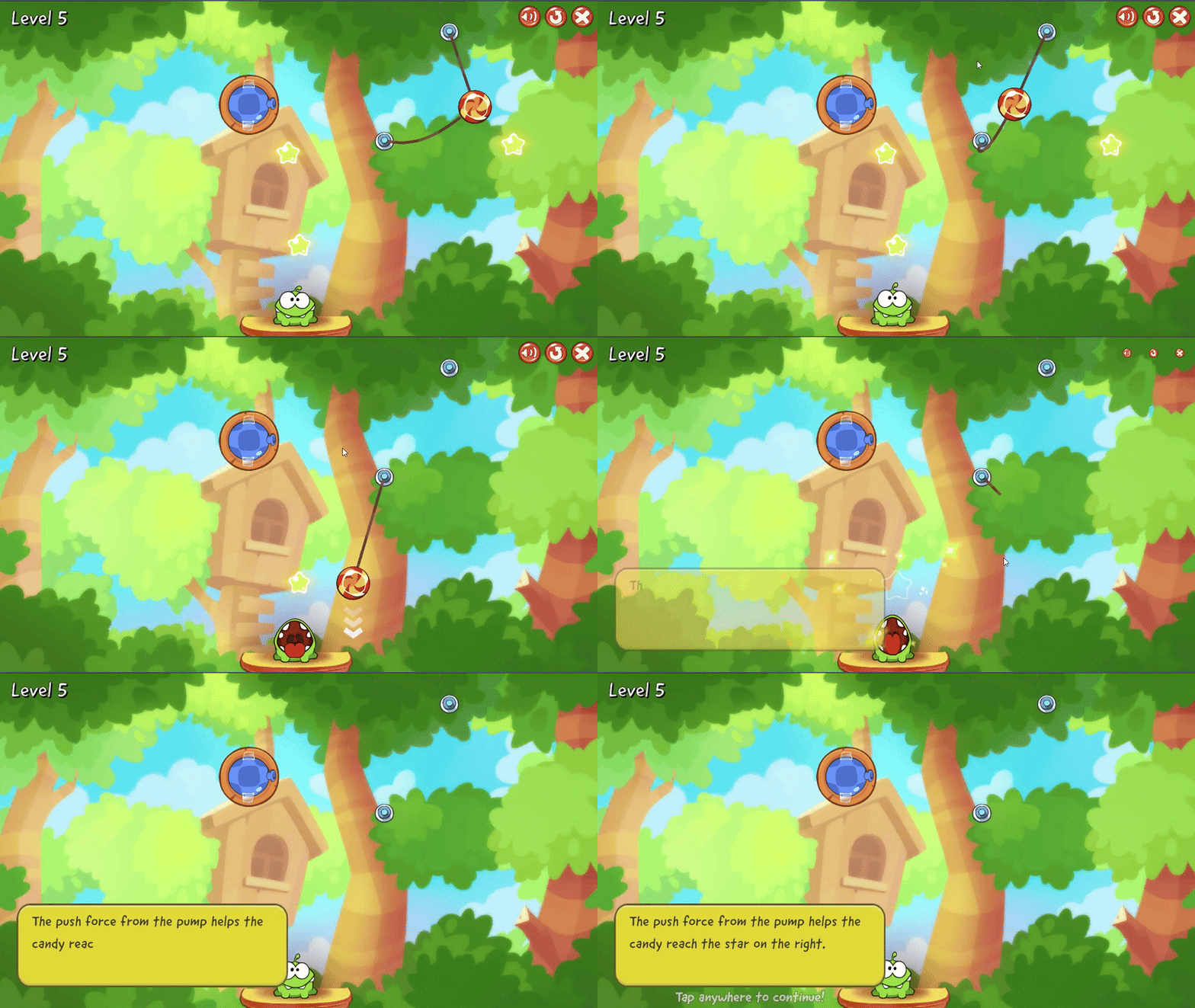
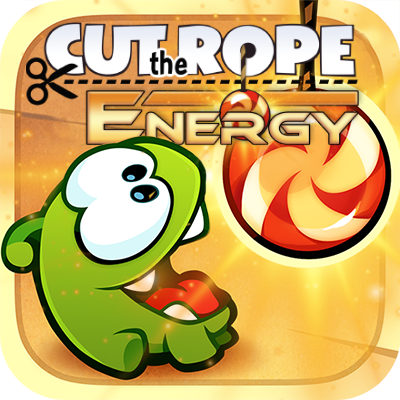
The beloved puzzle game meets classroom learning! 🎉 Students cut ropes, collect candy, and explore the conservation of energy in motion. With each level, they discover how physics concepts like gravity, tension, and momentum come to life—an engaging twist on a fan-favorite that makes science both fun and unforgettable.

The beloved puzzle game meets classroom learning! 🎉 Students cut ropes, collect candy, and explore the conservation of energy in motion. With each level, they discover how physics concepts like gravity, tension, and momentum come to life—an engaging twist on a fan-favorite that makes science both fun and unforgettable.
cut-the-rope-2
cut-the-rope-3

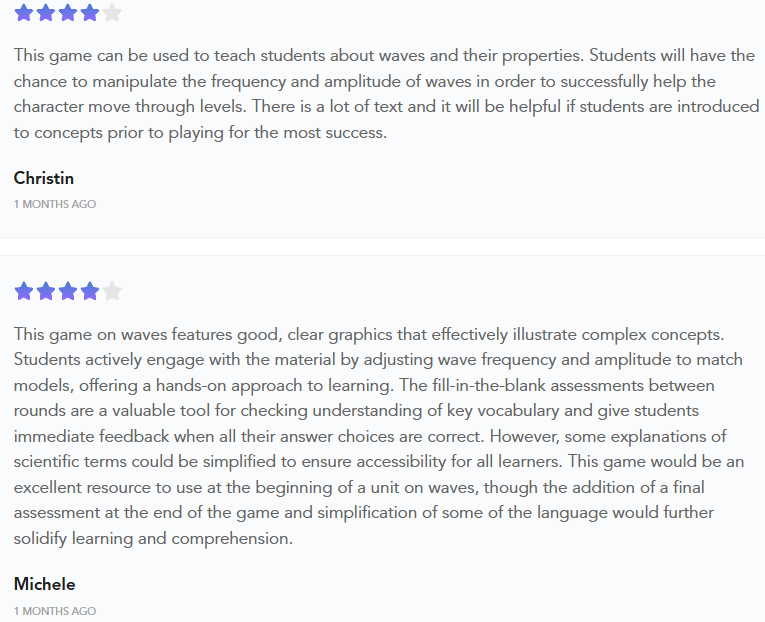
🌊 Wave Bender: The Adventure of Kai — Middle Science

wave-bender-1

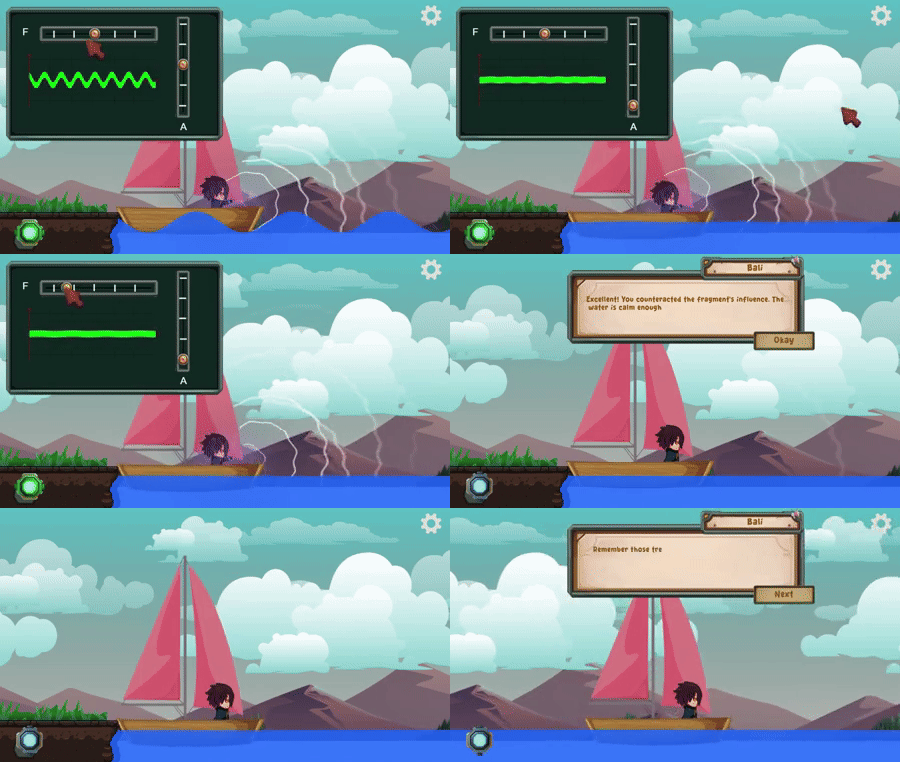
Embark on an epic quest to save Lyra! 🌊 Students harness wave power to solve puzzles and restore balance to a chaotic world. Along the way, they explore wave properties like frequency, amplitude, and energy—making complex physics concepts engaging, hands-on, and unforgettable.

wave-bender-2
wave-bender-1

🚀 Explore More Learning Adventures

Legends of Learning offers a full universe of science games that bring abstract concepts to life. Explore the Learning Universe for even more classroom-ready adventures.


👋 New to Legends of Learning?

Sign up today and unlock access to 2,000+ math and science games designed to make teaching easier and learning more engaging.


⭐ Leave a Review — Earn Rewards

Your feedback matters! Teachers can earn Reward Points by reviewing games, helping other educators discover the right resources and guiding our team to build more of the content you love.


đŸ“© Questions?

Reach out anytime at support@legendsoflearning.com
Level Up Science Learning with Fresh Classroom Games

Hi Legends! The new school year is here, and there’s no better way to energize your science classroom than with interactive, standards-aligned games designed to engage students while reinforcing key concepts.

From exploring weather patterns to uncovering fossils, these new science games make learning exciting and meaningful from day one.

📚 Missed last month’s update? Check out July’s Science Games here.

🎒 Make Science Fun This Back-to-School Season

This August’s science games turn key concepts—like weather patterns, genetics, light, and engineering—into immersive, standards-aligned adventures. Whether you’re introducing new units or reviewing previous skills, these games provide differentiated, engaging learning opportunities for all students.

💡 Teacher Tip: Use these games during the first weeks of school for stations, review sessions, or independent exploration. They’re especially effective for hands-on and visual learners ready to dive back into science after summer break.

🎼 New Science Games for Back to School

Grades K–2

  • Raccoon: Forest Caster – Help Coco the raccoon forecast weather and protect the forest from natural hazards. Students explore cause-and-effect relationships and develop early environmental science skills in a fun, interactive context.

Grades 3–5

  • Dusty Bones – Join KT-Log on a fossil excavation adventure! Students collect, catalog, and analyze fossils for a museum exhibit, strengthening observation, classification, and critical thinking skills.
  • Pastry Design – Apply the Engineering Design Process to build and test gingerbread cars! Students explore force, motion, and creativity through hands-on problem-solving, making STEM concepts fun and memorable.
  • Eureka! – Colorizer â€“ Solve mini challenges to sharpen knowledge of electromagnetic radiation, light, and color. Students apply scientific reasoning in a game-based environment that encourages exploration and experimentation.

Raccoon: Forest Caster 🩝

racoon resources tycoon

Help Coco the raccoon provide shelter and forecast the weather for forest friends. Students learn cause-and-effect relationships and practice problem-solving in a playful, nature-themed environment.

racoon resources tycoon

Dusty Bones ⛏

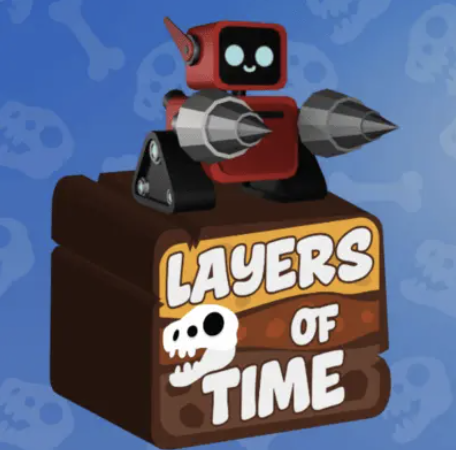
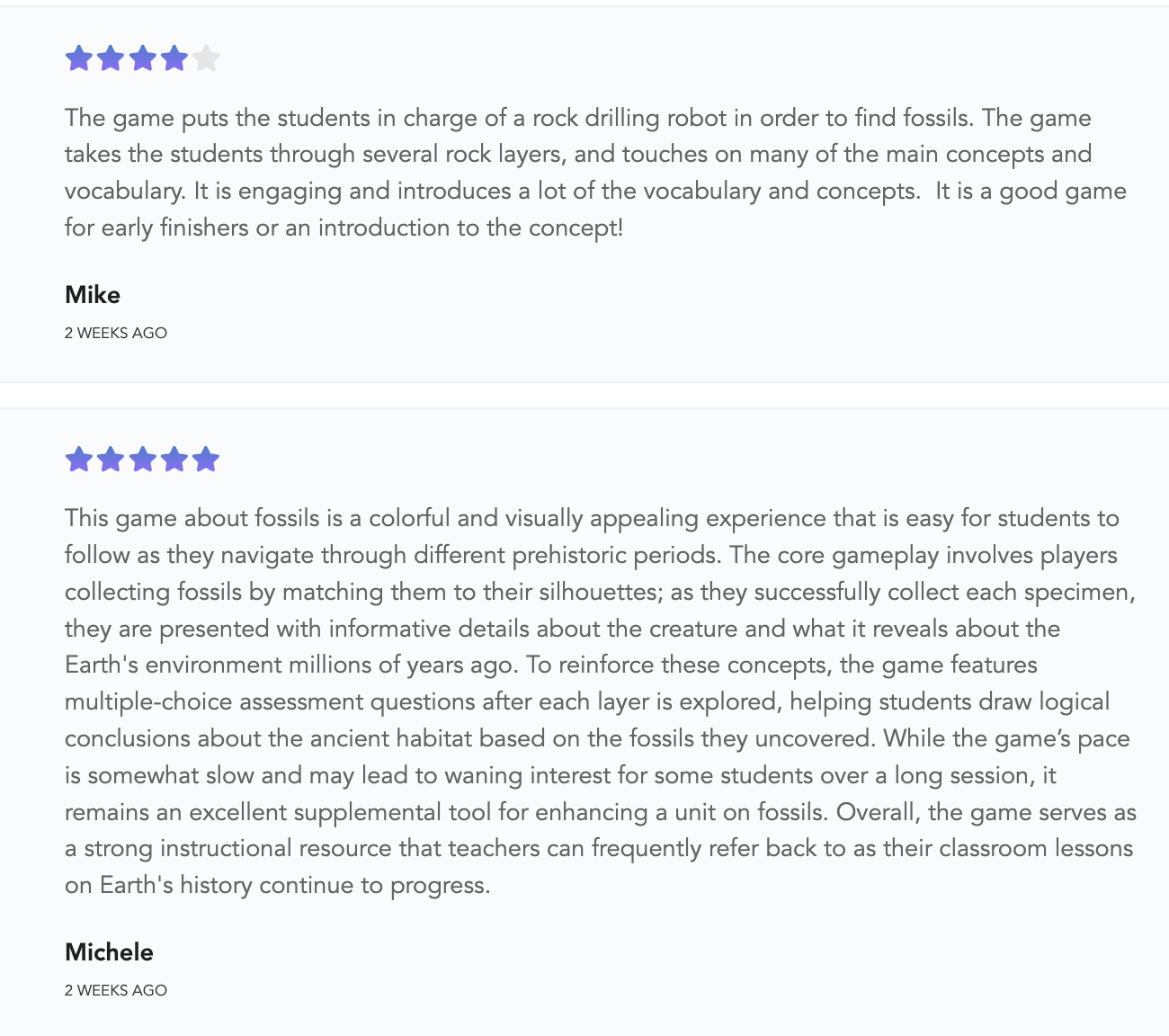
Excavate and catalog fossils with KT-Log in this hands-on adventure! Students strengthen observation, classification, and critical thinking skills while exploring Earth’s history and making real-world science connections.

dusty bones
dusty bones
dusty bones

Pastry Design 🎂

pastry design

Team up with the Gingerbread Man to build and test cookie cars! Students apply the Engineering Design Process, exploring force, motion, and balance through a fun, hands-on STEM adventure.

pastry design
pastry design

🚀 Explore More Learning Adventures

Discover our full catalog of science games on Legends of Learning and explore hundreds of interactive, curriculum-aligned experiences for your students.


👋 New to Legends of Learning?

Sign up now and bring your classroom into a growing library of 2,000+ curriculum-aligned math and science games built for engagement, exploration, and achievement.


💬 Leave a Review—Earn Rewards!

Your feedback helps guide other teachers and improve our games. Leave a review after using any game in class and earn Reward Points for classroom goodies.


đŸ“© Questions?

Contact us at support@legendsoflearning.com

Back to School with Fun Science Games Students Love!

Hi Legends! The new school year is right around the corner—energize your classroom with engaging science games! Legends’ Learning Universe keeps growing with fresh, interactive experiences that bring science to life.

Whether you’re kicking off back-to-school season or looking to spark curiosity mid-semester, these games are designed to boost engagement and support student success on assessments.

📚 Catch Up First: If you missed last month’s game drop, you can check out the June Science Games update here.

😎 Kickstart the School Year with Brand-New Science Games

This back-to-school season, kick off your science curriculum with brand-new games that transform abstract middle school concepts—like molecule rearrangement, food web balance, and inherited traits—into immersive, standards-aligned adventures. Whether you’re introducing core units for the first time or laying the groundwork for a strong academic year, these interactive experiences offer an engaging and differentiated way for students to explore essential science content right from day one.

💡 Teacher Tip: Use these games during the first weeks of school to energize your classroom routines—whether during review days, science stations, or as extensions for early finishers. They’re especially helpful for visual and hands-on learners who thrive through interactive play. It’s a great way to build routines students will look forward to!

đŸ”„ New Science Games for the New School Year

Jumpstart student engagement with these exciting game-based learning experiences—perfect for early-year lessons, content introductions, or review.

Mice and Mazes 🔬

Can your students crack the code of heredity? This puzzle adventure weaves core genetics concepts into every turn. With maze-building, a rat-crossing challenge, and problem-solving galore, Mice and Mazes is a fun, flexible way to reinforce NGSS-aligned genetics standards.

Eureka! – The Golden Stag đŸ„—

Part restaurant sim, part ecology lesson, this game helps students visualize complex food webs through interactive play. Build menus, observe food chains, and make science deliciously memorable.

Atomic Kitty Lab đŸŸ

Students become firefighters in training—testing water types and equipment in problem-solving scenarios designed to teach the Scientific Method. Through experimentation, trial-and-error, and gamified missions, students apply real science to every step. A great pick for review, reinforcement, or independent exploration.

🚀 Explore Even More Learning Adventures

Browse our growing library of 2000+ science games, all standards-aligned and teacher-reviewed!


New to Legends of Learning?

New to Legends of Learning and eager to try out these games? Sign up now and embark on an educational adventure!


Your Reviews Make a Difference

Teachers, did you know you can earn Reward Points just by reviewing the games you play in class? Your feedback helps fellow educators find the best-fit games for their students—and helps our team keep improving. Leave a review today and rack up points for classroom goodies!


Questions?

Reach out anytime at support@legendsoflearning.com
Legends of Learning: 10 Steps to Get Started

Are you ready to bring engaging, game-based learning into your classroom? Legends of Learning is a powerful platform that makes learning fun, interactive, and aligned with educational standards. Whether you’re a teacher looking to enhance your lessons, a student eager to explore new concepts through games, or a parent supporting your child’s learning journey, getting started with Legends of Learning is easy and rewarding.

In this guide, we’ll walk you through 10 essential steps to help you set up, navigate, and make the most of the platform. From creating an account to assigning games and tracking progress, this step-by-step breakdown will ensure you’re ready to maximize the learning experience. Let’s dive in and unlock the power of educational gaming!

Congratulations! You’ve created your Legends of Learning account, and you’re ready to expand your science teaching superpowers. Let’s get started!

How To Get Started In 10 Steps

Here’s how to get started in just ten easy steps:

Step 1: Choose A Subject

Select Earth and Space, Life, or Physical Science.

Step 2: Choose A Learning Objective

Each subject has 26-35 different lessons, or Learning Objectives, each covering a specific science standard.

Step 3: Preview The Games

Each Learning Objective has 7-10 unique games. Click on each game to view teacher reviews, vocabulary words, and discussion questions. You can also play the games yourself, and leave your own ratings!

Step 4: Create A Playlist

Click the orange button above the games to be transported to the playlist-building screen.

Step 5: Drag & Drop

Pick your games and drag them into the playlist.

Step 6: Add Assessments

Open up the “Assessments” tab, choose how many questions to include, and add them before, between, or after the games.

Step 7: Customize

Shuffle the order of games and assessments, toggle the playlist’s duration, and give your playlist a name.

Step 8: Launch!

Hit the big green button! You don’t even have to add your students ahead of time; just send them to play.legendsoflearning.com and give them your teacher code, located at the top of the playlist. (Don’t panic; the “Students” tab will not appear in your account until you’ve launched a playlist and had students join.)

Step 9: Track Student Data

Watch as students progress through the playlist, and see their answers to quiz questions in real time. If you need to stop and review the mid-playlist, click the pause button.

Step 10: Download Results

All student answer data gets saved within the playlist for future reference. Download it as a CSV with the click of a button!

Boom! Your science class is now certifiably legendary.

Reach Out To Legends of Learning For More Information

If you have any trouble with these steps, check out helpful hints on the Hall of Knowledge, or don’t hesitate to contact us at support@legendsoflearning.com.


Why We Launched the STEM Visions Contest

Earlier this October, we spent a brainstorming lunch thinking about all the different ways Legends of Learning can improve the way today’s students engage with science in the classroom. But what about beyond the classroom?

We came up with this fun little fall project, the STEM Visions Contest, to get students looking ahead to the future. The goal is to use science games to help engage more students in science related topics at school.

It’s so important to get young students engaged in science. As you know, the United States has a workforce shortage in STEM-related fields. Why? Because many students lack enthusiasm when it comes to studying science.

Teachers like you can help them discover the links between what they learn in science class and what they could dedicate their careers to in the future. It begins with engaging students in science topics.

We want to help teachers spark discussions about where students see themselves going, and how science will factor in to their destination.

The teachers who are most successful will win grants from DonorsChoose for their classrooms. But more on that in a minute.

How does the contest work?

The contest will be open from November 6-17. To participate, teachers will deploy games from one of our 90 middle school science learning objectives as part of the science lessons they’re currently teaching. Here are the current top 10 learning objectives on the page.

After students play the games, teachers will ask them the following questions: If they were to choose a career in science, what would it be? Why?

What impact do you hope to make?

Once students have answered these questions and had a discussion about STEM possibilities, teachers will record their answers and submit the best responses via Facebook. They will also need to tag our page in the posts and submit their post’s URL to a Google form. Once the contest is closed, our team at Legends of Learning will review every submission and choose a total of 10 winners.

Ok, so what makes it a contest?

Prizes, of course! First place will receive a $1000 grant on DonorsChoose and a one-year, full-access license to use our platform. Four runners-up will receive $250 on DonorsChoose and 3000 LoL platform coins. Five distinguished teachers will receive 1000 coins.

Introducing a little fun competition can bring out the best in all of us. We can’t wait to hear what students around the country come up with when they’re asked to envision their future careers!

For full details and rules, visit the contest homepage.

Our Solar System Lesson Plan

When you’re teaching students about space, Earth’s immediate surroundings are a good place to start. Cover the sun, other planets, their moons, and asteroids with the Our Solar System Learning Objective.

It includes a lesson plan created by science teachers, which you can download in PDF form or view below.

Lesson Plan: Our Solar System

NGSS Standard
ESS1.B-1: The solar system consists of the sun and a collection of objects, including planets, their moons, and asteroids that are held in orbit around the sun by its gravitational pull on them.

Objective

Students will be able to:

  • Explain the role of gravity in the solar system.
  • Explain the relationship between mass and gravity.
  • Predict the patterns of movement of objects in our solar system.
  • Accurately produce a 2D model of objects with varying masses that illustrates the relationship between gravity and mass.

Time Required:
85 minutes

Materials Needed

  • Teacher computer with internet access
  • Projector/Smartboard
  • 1 computer/laptop/iPad/Chromebook per student with internet access or BYOD (students can Bring Your Own Device)
  • Our Solar System and Gravity handout (attached)
  • 15 magnets (varying sizes are acceptable and encouraged if magnets are not the same size)
  • A magnetic object, such as a paperclip or the leg of a student’s chair

Teacher Preparation

  • Create a 30-minute playlist in Legends of Learning with the following games found in the Our Solar System learning objective (in order):
    • Around and Around (15-minute playtime)
    • The Sun, Moon and Stars: Patterns of Apparent Motion (11 minutes)
  • Create a 10-minute playlist in Legends of Learning with 5 assessment questions from the Our Solar System learning objective.
  • Make copies of Our Solar System and Gravity Worksheet (1 per student).
  • Gather materials for the Engage portion of the lesson.

Engage (15 minutes)

The teacher will show a magnet to the class.

  1. The teacher will use the magnet and a paper clip to show how the paper clip is attracted to the magnet.
    • The teacher will ask, “Is the magnet attracted to the paperclip, or is the paperclip attracted to the magnet?”
      • Allow students time to think before accepting any answers
      • Teachers should employ a random way of calling on students if no volunteers are available.
    • The teacher may guide/prompt students to the understanding that
      the paperclip is attracted to the magnet.
    • Using the magnets, and working in pairs or triads, the students
      should explore the classroom for other objects that are attracted to the
      magnet. Ask students to use different distances between the magnet
      and the object and to note the results.
    • Students should also use magnets of two different sizes to observe
      the results.
    • Once students are done (after 5 minutes), they should reflect (verbally or with written text) on the following prompts:
      • What types of objects were attracted to the magnet? Were the objects
        that were attracted to the magnet larger or smaller than the magnet? Is there a
        relationship between size and the amount of attractive force?
  2. The teacher will say “The activity you just did was modeling gravity. Gravity is a force of attraction. Why do you think I used a magnet to model gravity?”
    The teacher should employ a randomized process for calling on students. Only a couple (1 or 2) answers should be allowed at this point due to time. The teacher should say, “Gravity is a force of
    attraction.
    Today you will learn how gravity is used to keep objects in our solar system in constant, predictable patterns of motion, and the relationship between mass and gravity.”

Explore (20 minutes)

  1. Have your students sign in to Legends of Learning and enter your teacher code.
  2. Launch Playlist 1 for your students.
  3. As students complete Around and Around, students should fill out the Our Solar Sys>em and Gravity Handout; question #5 will be done during the Elaborate section of the 5E.
  4. Assist students as needed during gameplay, and pause the playlist if you need to address content or questions to the entire class.
    • The teacher may need to sit with struggling students in a group of no more than 4 to facilitate learning.

Explain (25 minutes)

  1. The teacher will review the answers from the Our Solar System and Gravity handout.
  2. The teacher will relate student knowledge to the demonstration at the beginning of class.
  3. It is important to remind students that the force of magnetism and gravity are not the same. However, to model the process on a small, observable scale, magnets were used to model gravity.
    • Why was a magnet used? A magnet was used to simulate a semi-attractive force between objects.
    • What objects in our solar system were being represented by the magnet? Any object in the solar system that has mass can be represented by a magnet.
    • Why was the paperclip attracted to the magnet? The magnet is bigger than the paperclip.
    • How does the relationship of size affect gravity? The bigger an object is, and the more mass it has, the more gravity it will exert on other objects.
    • Why does the larger magnet attract the smaller magnet? The larger magnet has a larger “force”.
    • Students should be able to answer the following:
      • Why are the planets kept in constant, predictable motion? The Sun’s gravity.
      • Why do all the planets orbit the Sun? The Sun is the most massive object in our solar system. Larger objects with more mass will attract more objects.

Elaborate (10 – 15 minutes)

  • Have students watch the video on gravity.
  • The teacher can clear up any misconceptions about gravity and mass at this point in the lesson.
  • Students complete question #5 on the Our Solar System and Gravity handout.

Evaluate (10 minutes)

  1. Launch Playlist 2 for your students. When they finish the assessment questions, any time left is free play.
  2. Analyze student results to determine what concepts need to be a focus for reteaching.

Our Solar System & Gravity

Name: _________________________

Directions:
While playing the second game in Legends of Learning called Around and Around, use what you learn to answer the questions below.

1. Label the planets in the correct order. Please note: The image is not to scale.

2. What are some of the components of our solar system that astronomers have studied? List some in the space provided.

  1. A.
  2. B.
  3. C.
  4. D.

3. What is the relationship between gravity and mass?

  1. A. The more mass an object has, the more gravity it will exert on another object.
  2. B. The more mass an object has, the less gravity it will exert on another object.
  3. C. The less gravity an object has, the more gravity it will exert on another object.
  4. D. The less gravity an object has, the less gravity it will exert on another object.

4. If two objects in space are close together, which of the following is true?

  1. A. Distance has no effect on gravity.
  2. B. The farther apart objects are will cause them to have greater gravity.
  3. C. The closer together objects are will cause them to have greater gravity.
  4. D. Gravity in space depends on how much light is being emitted from the objects.

This portion should be completed during the Elaborate portion of the 5E lesson.

5. Imagine that the solar system consisted ONLY of Jupiter, Mars, and Earth. How would Jupiter’s gravity affect the orbits of Mars and Earth? Draw and label your answer in the space below.

Legends of Learning On Instagram and Pinterest

Many of our ambassadors and friends in the education community have followed Legends of Learning on Facebook and Twitter over the past year, but complained about our lack of presence on Instagram and Pinterest. Well, those days are over!!!

You can now follow us on Instagram and Pinterest, too!

Our Instagram page will feature photo spotlights of our ambassadors, LoL staff, industry events, and case studies, as well as highlighting each of our 90 middle school science learning objectives and updates about our gaming platform.

We will also “regram” legendary posts from our followers, and may even give some teacher ambassadors the opportunity to temporarily take over the page!

On Pinterest, we have boards for Earth and Space Science, Physical Science, Life Science, as well as special topics like NGSS, last month’s total solar eclipse, and awesome inspiration from teachers.

Teachers are some of the best users on Pinterest, “pinning” everything from science labs to art projects to actual bulletin boards. The site provides an easy way to bookmark and spread bright ideas, improving classrooms everywhere.

We are excited to grow our engagement with the education community! The internet is an incredible asset, with the power to not only host resources like Legends of Learning games, but also to share valuable insights and ideas so teachers and students can reap the benefits. Join us in our mission to spread the best of education.

Follow Legends of Learning:

Facebook: https://www.facebook.com/LegendsofLearning/
Twitter: https://twitter.com/legendlearning
Instagram: https://www.instagram.com/legendsoflearning/
Pinterest: https://www.pinterest.com/legendsoflearning/

News: Cobb County Students to Experience Once-in-a-Lifetime Total Solar Eclipse

This is a copy of a news release issued this week.


Cobb County Students to Experience Once-in-a-Lifetime Total Solar Eclipse

Legends of Learning Preparing Students for the Astronomy Event

Marietta, Ga.—August 1, 2017—Middle school students from the Cobb County School District in Georgia will be taking the field trip of a lifetime. On August 21, 40 students will join Legends of Learning on a field trip to Clemson, S.C., where they will watch the total solar eclipse from one of the most optimal places in the country.

Two students from each participating Cobb County middle school will be selected to take part in this field trip. Students will play Legends of Learning eclipse games on the ride to Clemson, where they will watch the total solar eclipse.

“This is so exciting! Our students will remember this experience for the rest of their lives,” said Dr. Sally Creel, STEM and Innovation Supervisor, Cobb County Schools. “We appreciate that our new partners, Legends of Learning, are making this once-in-a-lifetime event so special for Cobb students. Our teachers will be incorporating the games into their instruction prior to the eclipse. Students will understand that, yes, it will be dark during the eclipse and what scientific phenomena are causing the darkness.”

Students, educators, families, and people across the United States will be watching the total solar eclipse, when the sun will completely disappear behind the moon. The eclipse will darken skies from Oregon to South Carolina, an extremely rare event; in some locations on Earth it occurs as infrequently as every 1,000 years.

To prepare students and interested parties, Legends of Learning, an innovative game-based learning platform, made two of its most popular eclipse-related curricula games available, “Walter’s Travels” and “Bubble Eclipse” on https://www.legendsoflearning.com/alphagames/. Like all Legends of Learning games, the games engage middle school students studying science with standards-based curriculum content. Legends of Learning teachers can access additional eclipse games via the Earth and Space Sciences “Eclipses and Seasons” learning objective.

In addition to the games, Legends of Learning has created a solar eclipse lesson plan for its Eclipses and Seasons learning objective. The platform also has available a curated resource with additional educational tools for teachers. These materials are available at www.legendsoflearning.com/solar-eclipse.

Legends of Learning launched earlier this year and has thousands of curriculum-based education games and assessment items focused on middle school science. The company conducted rigorous academic research in partnership with Vanderbilt University and found that students boosted their test scores by the equivalent of over half a letter grade in three weeks when their teachers used digital games in the classroom. The study was recently published by the “Journal of the Learning Sciences.”


About Legends of Learning

American children need new education heroes, teachers dedicated to using new, engaging methods to teach curriculum. Legends of Learning helps educators make their classrooms fun, engaging, and productive learning environments through research-driven, curriculum-based games. We use ongoing original research to create a learning game platform filled with an epic range of lessons for stronger subject mastery and classroom engagement. All games are based on state curriculum standards. Teachers can don their capes with Legends of Learning at legendsoflearning.com.


About Cobb County School District

The Cobb County School District is the second largest school system in Georgia and the 23rd largest in the nation. It serves 113,000 students and 114 schools, including 67 elementary schools, 25 middle schools, 16 high schools, two charter schools, one special education center, one adult education center and one performance learning center.  Our vision is One Team, One Goal: Student Success.


Media Contacts:

Stacey Finkel

ASPR

Stacey.Finkel@aspr.bz

703.304.1377


Geoff Livingston

Legends of Learning

geoff@legendsoflearning.com
703.859.0089


Donna Lowry

Director of Communications

Cobb County School District

Donna.Lowry@cobbk12.org

770.426.3345


For Teachers
For Schools
For Districts